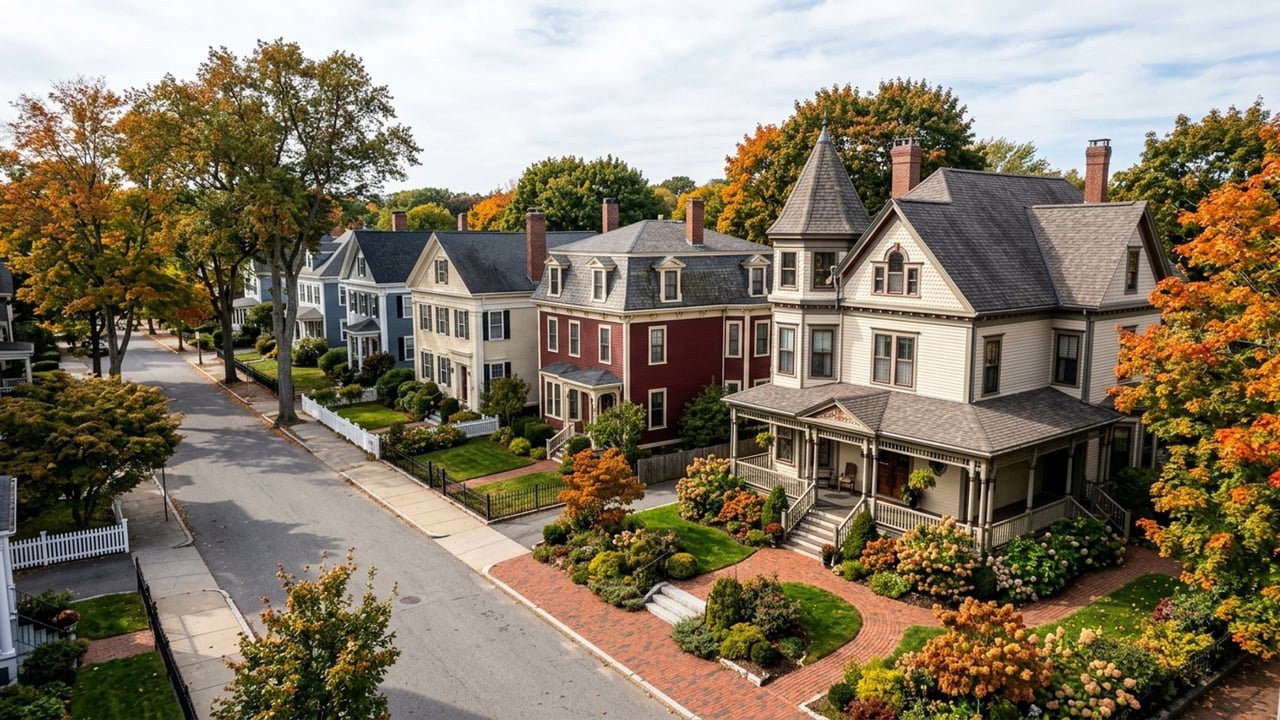
The Newburyport, MA real estate market doesn't wait around. With a median sale price hovering around $904,500 across various types of homes in Newburyport, MA and properties spending roughly 20 days on the market, you need your finances fully prepared before you make an offer - not after.
The down payment is the number most buyers fixate on, but it's not the only one that matters. Closing costs are a separate line item, and if you're not expecting them, they can genuinely derail a transaction. Knowing what these fees cover, who pays for them, and how they scale with the purchase price is what keeps you from being blindsided at the closing table.
What Are Closing Costs in Massachusetts?
Closing costs are the fees and charges required to finalize a real estate transaction - the administrative, legal, and financial steps that actually transfer ownership from the seller to you. They're not optional, and they're not small.
Both buyers and sellers carry their own share. Your portion primarily relates to securing the mortgage, establishing your property taxes, and protecting your ownership rights.
Closing Costs vs. the Down Payment
Your down payment is the upfront cash you apply directly to the home's purchase price. Closing costs are entirely separate fees paid on top of that. They're not the same bucket.
When your lender sends you the final closing disclosure, you'll see your down payment and closing costs combined into one "cash to close" figure. That's the total you'll wire to the settlement agent on closing day.
Buyer vs. Seller Responsibilities
Buyers generally cover loan origination, appraisals, and title policies that protect the lender. Sellers typically handle the real estate agent commissions and state transfer taxes.
That said, real estate contracts are flexible. You can sometimes negotiate for the seller to absorb certain buyer fees - it just depends on the specific terms you agree on.
How Much Buyers Pay at Closing in Newburyport
Closing costs aren't a flat fee. They scale with your loan amount and the home's value, so the final number looks different for every buyer.
Buyers in Massachusetts generally pay between 2% and 5% of the total purchase price. On a $904,500 median-priced home in Newburyport, that works out to roughly $18,000 to $45,000 to close the loan. That's a wide range, and where you land within it depends on your specific situation.
Average Closing Costs as a Percentage of Price
For most buyers using conventional financing, 3% is a reasonable starting point. If you're buying a smaller property or a condo, your percentage might skew closer to 4% or 5% - certain fixed fees don't shrink just because the purchase price does.
On the other end, luxury buyers putting down large amounts of cash might see their percentage drop closer to 2%. The exact figure depends on how much you're borrowing and what local property tax rates look like.
Why Costs Vary in the Boston Metro Area
Newburyport sits within the Boston-Cambridge-Newton, MA-NH Metropolitan Statistical Area. Property values and tax assessments here run higher than in more rural parts of the state, and that matters at closing.
Massachusetts requires buyers to prepay several months of property taxes at closing. When assessments are higher - as they are throughout this metro area - those required tax reserves push your out-of-pocket costs up meaningfully. Buyers coming from other states are often caught off guard by the size of these reserves.
Closing Cost Examples for Massachusetts Homes
Percentages are useful, but concrete numbers are easier to plan around. Looking at estimates across different price points gives you a clearer sense of how much cash you actually need to have ready.
These figures are estimates. Your actual bill will shift based on your lender, your down payment size, and the time of year you close.
Sample Breakdown by Home Price
At $300,000, a 3% estimate puts closing costs at about $9,000. A $400,000 purchase brings that to roughly $12,000, and a $500,000 home lands around $15,000.
At $600,000, you're looking at closer to $18,000. As the price climbs, so do the origination fees and the tax reserves the lender requires.
How to Calculate Your Final Number
Your Loan Estimate is the document that gets you to a real number. Lenders must provide it within three days of receiving your mortgage application, and it breaks down every expected charge into specific categories.
Use it to compare offers across multiple lenders before you commit. Small differences in lender fees add up.
What Goes Into a Buyer's Closing Bill
A closing disclosure can have dozens of line items, but they generally fall into a handful of categories. Knowing what each fee actually covers helps you spot errors or charges that shouldn't be there.
The biggest portions of your bill typically come from loan origination and prepaid property expenses. Administrative and legal fees make up the rest.
Loan and Lender Fees
Origination fees compensate the lender for processing and underwriting your mortgage, and they typically run between 0.5% and 1% of your total loan amount.
You'll also pay for a home appraisal, which confirms the property's value for the bank. In Massachusetts, appraisal fees usually run around $500 to $800.
Title Insurance Rules in Massachusetts
Title insurance protects against past ownership disputes or undisclosed liens. In Massachusetts, buyers are responsible for the lender's title insurance policy.
You also have the option to purchase an owner's title policy for yourself. It's not legally required, but real estate attorneys recommend it to protect your equity.
Escrow and Settlement Fees
A settlement agent or closing attorney handles the transfer of funds and makes sure all documents are signed correctly. Buyers and sellers typically split the settlement fee, which covers the attorney's time.
Massachusetts law requires a licensed attorney to conduct real estate closings - so you will see a specific line item for that on your final disclosure.
Transfer Taxes in Essex County, MA
When real estate changes hands, the state charges a fee to record the new deed. In Essex County, MA, the seller customarily pays the bulk of the state transfer tax - often called the tax stamps.
Buyers pay smaller recording fees to the Essex County Registry of Deeds. Those fees are what get your new deed and mortgage officially entered into the public record.
Prepaids and Escrow Reserves
Your lender wants to know your property taxes and homeowner's insurance will be paid on time, so they require your first year of insurance upfront, plus a few months' worth of premiums deposited into an escrow account.
You'll also prepay several months of property taxes to establish your tax escrow. Depending on your closing date and the town's billing cycle, this piece alone can add thousands of dollars to your cash to close.
Who Pays What: Buyer vs. Seller Customs
Local customs dictate how fees are divided between the two parties. Everything is technically negotiable, but straying too far from the norm can make your offer less appealing to a seller who has other options.
In a market where homes move in 20 days, sellers are not desperate. They expect buyers to handle their customary share. Understanding those norms is part of writing a competitive contract.
Costs the Buyer Customarily Pays
Buyers take on everything tied to their financing: origination fees, appraisal costs, credit report fees, and flood certification charges.
The buyer also pays for the home inspection, the lender's title policy, and the initial funding of the escrow account. Any cost related to investigating the property or securing the loan is yours.
Costs the Seller Customarily Pays
The seller's biggest expense is usually the real estate agent commissions. They also pay the Massachusetts tax stamps based on the final sale price.
On top of that, sellers pay to clear any existing liens and cover the preparation of the deed. If they agreed to repair credits after the inspection, those amounts come out of their proceeds at closing.
Asking the Seller to Cover Your Costs
You can ask the seller to pay a portion of your closing costs through a concession - written into the purchase agreement as a specific dollar amount or a percentage of the sale price.
In a slow market, that's a reasonable ask. In Newburyport right now, with homes selling in an average of 20 days and nearly half closing above the list price, a request for closing cost assistance could weaken your offer against competing buyers. It's a conversation worth having with your agent before you decide.
Estimating Your Out-of-Pocket Expenses
Getting a handle on your costs early in the process is the difference between a smooth closing and a stressful one. You have a few tools available to get there.
Whether you're financing or paying cash, planning ahead ensures you have enough liquid funds available when it's time to sign.
Using a Closing Cost Calculator
An online buyer closing cost calculator gives you a solid baseline. Enter the home price, your down payment, and your estimated interest rate, and you'll get a rough breakdown of expected fees.
Calculators are a useful starting point, but they can't perfectly predict local property tax adjustments or specific lender charges. Always verify the estimate with a formal quote from a mortgage professional.
What to Expect When Paying Cash
Cash buyers bypass all lender-related fees, which cuts the closing bill considerably. No origination charges, no appraisal for the bank, no lender title policy.
You'll still pay for an owner's title insurance policy, recording fees, and the closing attorney's services. And you'll need to cover your own property taxes and insurance - you just won't be required to fund a lender-mandated escrow account.
Ways to Reduce Your Closing Bill
Closing costs are a real number, but they're not entirely fixed. A little research and negotiation can keep more money in your pocket.
Your options range from negotiating with the seller to adjusting how your mortgage is structured. Have these conversations with your agent and your lender early - not the week before closing.
Seller Concessions and Credits
If a home has been sitting on the market, a seller might offer a closing cost credit to get the deal done. That credit directly reduces the cash you need to bring to the table.
Lenders cap how much a seller can contribute - typically 3% to 6% of the purchase price for conventional loans. Check with your loan officer to make sure any credit you request falls within the allowed limits.
Lender Credits and Shopping for Rates
You can lower your upfront costs by accepting a slightly higher interest rate in exchange for a lender credit. The lender covers part of your closing costs, and you pay for it gradually through higher monthly mortgage payments. It's a trade-off, not a discount.
Shopping your mortgage is another effective way to save. Different lenders charge different origination and administrative fees, and comparing Loan Estimates from three different banks can reveal a meaningful difference in what you'll actually pay.
Frequently Asked Questions
What percentage of the home's purchase price should I budget for buyer closing costs in Newburyport?
You should budget between 2% and 5% of the purchase price. For the Newburyport median home price of roughly $904,500, this means setting aside $18,000 to $45,000.
Do Newburyport buyers have to pay for prepaid property taxes and utility adjustments at closing?
Yes, buyers must prepay property taxes to establish their escrow account. You'll also reimburse the seller for any taxes or municipal utilities they've already paid for the period after you take ownership.
Is it common for sellers to cover buyer closing costs in the current Newburyport real estate market?
It's not common right now. With Newburyport homes selling in an average of 20 days and many closing above the asking price, sellers rarely need to offer concessions to attract buyers.
Can I roll my closing costs into my mortgage when buying a home in Massachusetts?
It depends on the loan type. Most conventional loans don't allow you to roll closing costs into the principal balance, but certain government-backed loans or specific lender programs might offer this option.
When do I receive the final exact amount I need to wire for my Newburyport closing?
You'll receive your final Closing Disclosure at least three business days before your scheduled closing. That document gives you the exact "cash to close" figure you need to wire to your closing attorney.
Are there any closing cost assistance programs for first-time homebuyers looking in Newburyport or Essex County?
Yes - state agencies like MassHousing offer programs that can help cover closing costs. Check current guidelines, since eligibility usually depends on household income and the home's purchase price in Essex County, MA.