Picture this: you step into a home with soaring ceilings, exposed brick, and oversized windows, then walk out your door to a downtown shaped by the Merrimack River, historic streetscapes, and everyday convenience. If you are drawn to Newburyport for its character and lifestyle, luxury condo living in the city’s historic mill buildings can offer a rare mix of architecture, walkability, and lower exterior maintenance. In this guide, you will learn what makes these homes so appealing, what features to expect, and what to review before you buy. Let’s dive in.
Why historic mill condos stand out
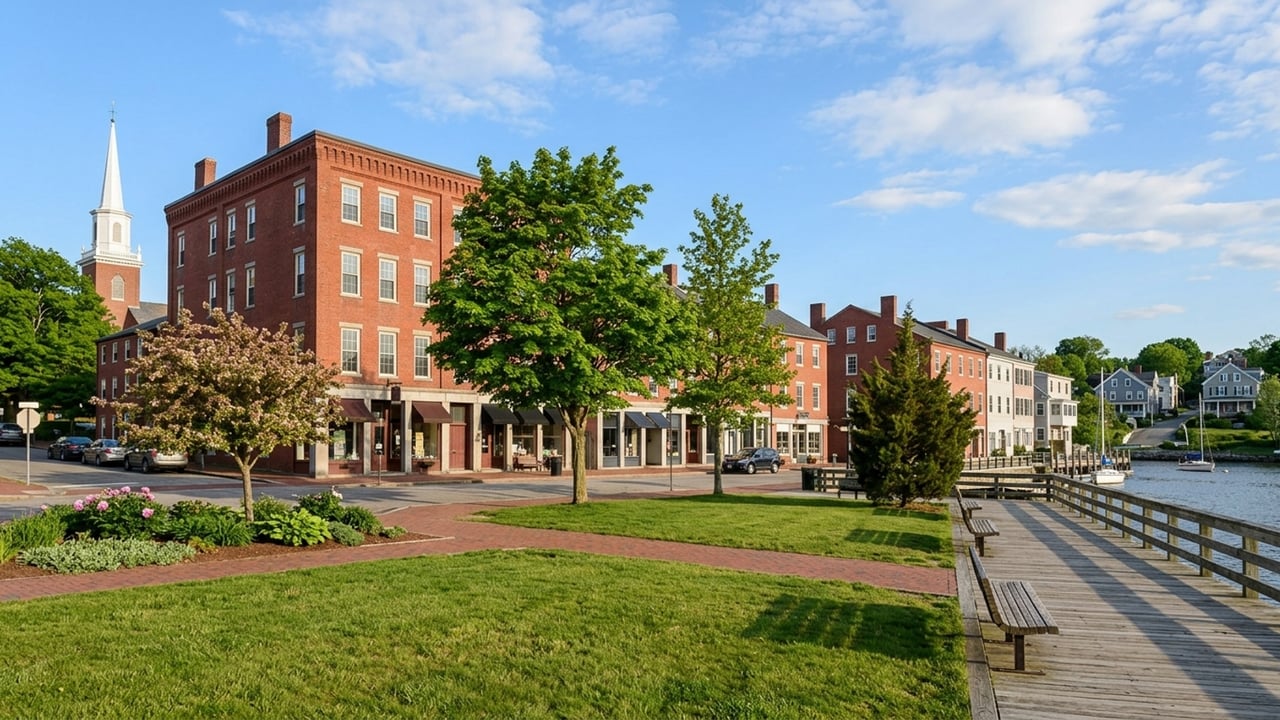
Newburyport’s downtown remains the city’s civic, service, and commercial core, and local planning continues to support a walkable center with riverfront parkland, arts and cultural uses, and pedestrian-focused design. That matters because historic mill and warehouse condos are not isolated lifestyle products. They sit within a city where preservation and walkability already shape the daily experience.
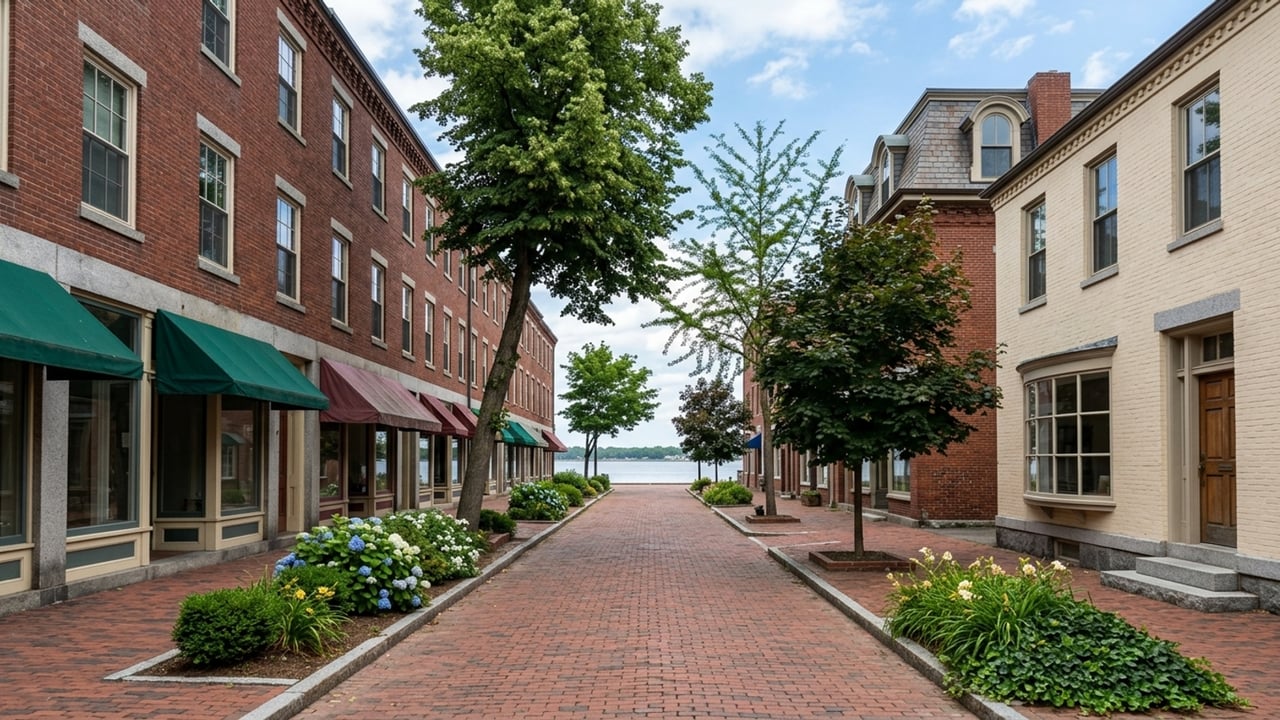
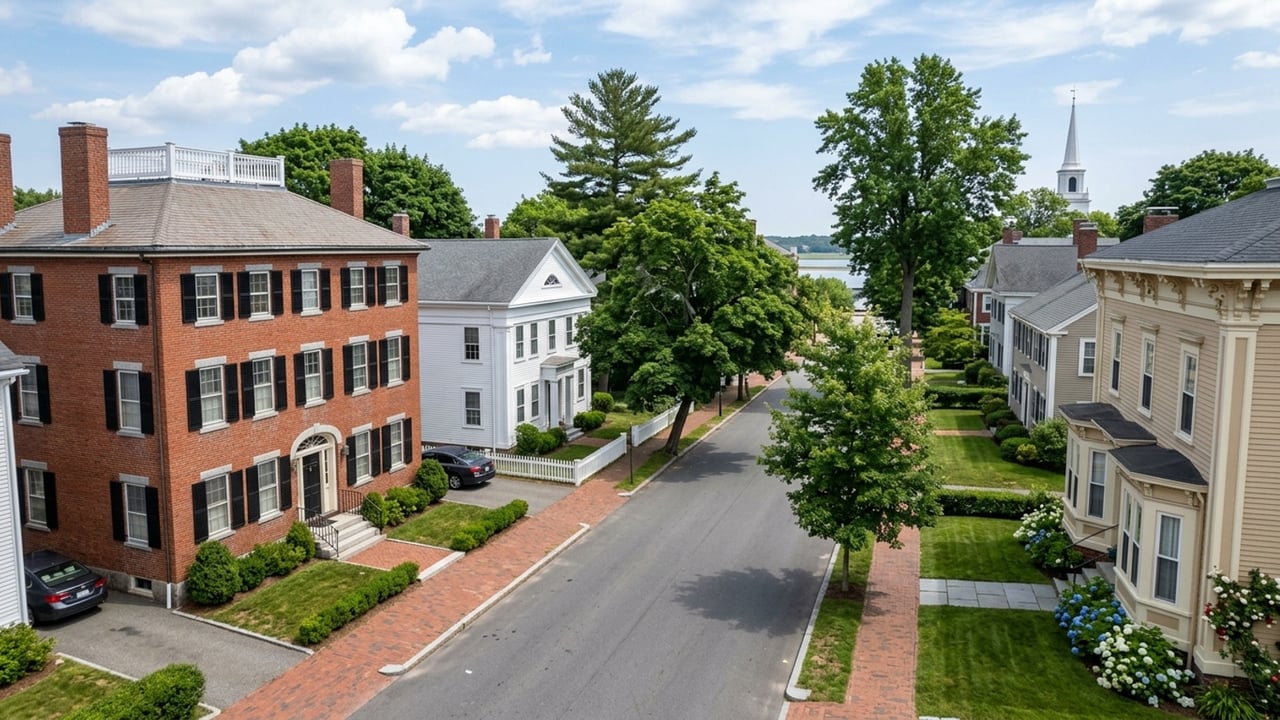
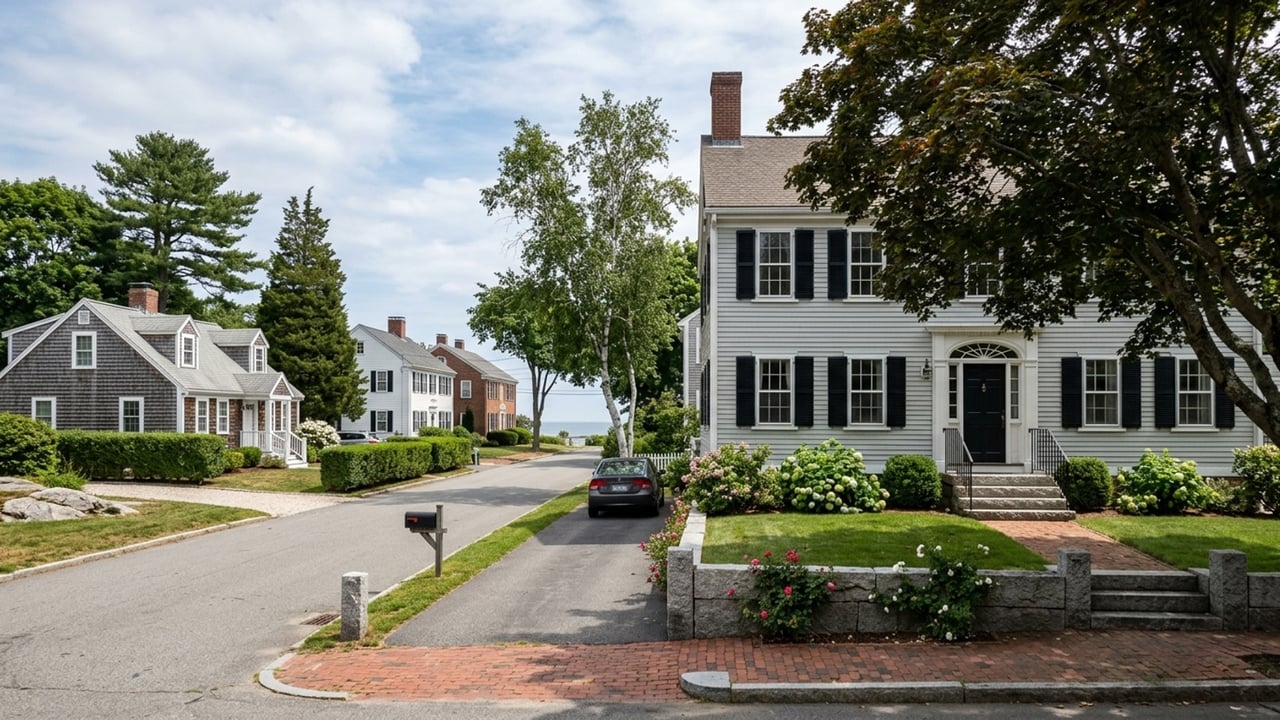
The broader Newburyport Historic District includes much of the built-up city and spans homes, commercial buildings, factories, and institutions from the 17th through early 20th centuries. In other words, when you buy into a historic mill building here, you are buying into a setting where old-building character is part of the fabric of the city itself.
For many buyers, that is the real luxury. You get original materials and industrial-era texture, but you also get a downtown lifestyle tied to the waterfront boardwalk, public gathering spaces, and the Clipper City Rail Trail connecting the commuter rail station to downtown and the riverfront.
What luxury mill living feels like
Luxury in these buildings often looks different from luxury in a sprawling single-family home. Instead of a large yard or multiple private levels, you are more likely to get volume, light, and architectural detail. That tradeoff is exactly what draws many buyers to this style of home.
Representative downtown mill-style condos in Newburyport often feature open layouts, exposed brick, high ceilings, hardwood floors, oversized industrial windows, and updated kitchens with modern finishes. Building amenities may include elevator access, security features, exercise rooms, clubrooms, garden areas, and garage or under-building parking.
Examples from local condo communities help show the pattern. Courtyard II has been described with one- and two-bedroom layouts, modern kitchens, elevator access, and shared amenities, while Mercantile Place is known for its brick construction, 19th-century roots, exposed brick, volume ceilings, oversized windows, and deeded parking. These examples do not define every building, but they reflect what many buyers hope to find in Newburyport’s mill conversions.
Why Newburyport is a natural fit
Historic mill condos work especially well in Newburyport because the city already values preservation and an active downtown. This is not a place where an old industrial building feels out of context. It feels woven into the community’s identity.
That identity is not just visual. The city continues to invest in public spaces, including the central waterfront boardwalk, which it identifies as one of Newburyport’s primary civic spaces. For a condo owner, that means part of your lifestyle extends beyond your four walls.
You can also see this blend of history and daily use in places like the Tannery Marketplace, a restored historic mill campus near the harbor with shops, businesses, dining, and a farmers market. It shows how adaptive reuse in Newburyport can preserve the past while supporting a lively present.
Key features to expect in mill condos
If you are touring luxury condos in historic mill buildings, here are some of the most common features you may see:
- Exposed brick and original industrial materials
- Tall ceilings and large windows
- Open-concept living spaces
- Hardwood floors and updated kitchens
- Elevator access in larger buildings
- Shared amenities such as fitness or club spaces
- Garage, under-building, assigned, or deeded parking
- Efficient layouts that prioritize light and volume
Not every building offers every feature, and finishes can vary widely by unit and renovation history. That is why it helps to evaluate both the unit itself and the building as a whole.
Parking deserves a closer look
In downtown Newburyport, parking should never be treated as a minor detail. The city maintains resident, garage, street, and lot permit systems, so your parking situation may depend on whether the condo includes a deeded space, an assigned space, garage access, or permit eligibility.
Some buildings clearly include one deeded parking space per residence, while others may rely more heavily on downtown permit options. Before you make an offer, confirm exactly what comes with the unit and whether that arrangement is documented in the condo documents or deed.
This is one of those practical details that can shape your day-to-day experience more than buyers expect. A beautiful loft feels even better when the parking plan is simple and reliable.
How condo documents protect you
In Massachusetts, condominiums are governed by the master deed, deed, bylaws, and Chapter 183A. The state also makes clear that condos are privately governed and not subject to direct state regulatory oversight in the way some buyers may assume. That makes your document review one of the most important parts of the buying process.
The master deed should clarify what is part of your private unit, what counts as common area, what is limited common area, the percentage interest, and any use or architectural restrictions. The bylaws or declaration of trust should explain management powers, maintenance responsibilities, insurance, meetings, voting, common expenses, reserves, and assessments.
You should also request the annual budget, reserve information, recent meeting minutes, special assessment history, owner-occupancy levels, rental limits, and any known litigation or major repair plans. These documents give you a clearer picture of how the building is run and whether there may be future costs on the horizon.
Why reserves matter more in older buildings
Historic mill buildings can be exceptional places to live, but older buildings often bring more complex long-term maintenance needs. Roofs, masonry, windows, elevators, fire systems, and mechanical systems can all carry meaningful replacement costs over time.
Massachusetts law requires an adequate replacement reserve fund separate from operating funds. That is especially important in adaptive-reuse buildings, where a healthy reserve can help reduce the risk of surprise costs or large special assessments.
When you review a condo association, look beyond the monthly fee. A lower fee is not always better if reserves are underfunded or major projects are approaching.
Questions to ask before buying
A historic luxury condo should feel inspiring, but your due diligence should stay practical. Before you move forward, ask questions like these:
- Is parking deeded, assigned, or permit-based?
- Are there restrictions on pets, rentals, or short-term rentals?
- Does the association have strong reserves?
- Have there been recent or planned special assessments?
- What do recent meeting minutes say about repairs or disputes?
- Is there a right of first refusal in the condo documents?
- What storage, if any, comes with the unit?
- What repairs or capital improvements has the building completed?
These questions help you understand not only the home, but the quality of ownership experience you are stepping into.
Historic status can affect future changes
In Newburyport, historic character is not just aesthetic. It can affect what kinds of exterior changes are allowed and what reviews may be required.
The city’s Historical Commission is the official board for historic properties and reviews demolition-delay applications and other projects in the historic district. For some older buildings, changes involving rooflines, demolition, or certain exterior elements may trigger city review.
If you are considering a unit where you may want to replace windows or make other visible changes, ask early whether the building or property is subject to historic district considerations. It is much easier to understand those limits before you buy than after closing.
Building history matters too
Newburyport’s industrial past is real, and it helps explain why these buildings feel so distinctive today. City records identify the James Steam Mill, built in 1842, as the only remaining textile mill in the city, and note its role in shaping the surrounding neighborhood.
That history is part of the appeal, but it also points to an important due-diligence step. Buyers should ask about a building’s conversion history, permits, capital improvements, and, where relevant, any environmental cleanup or reuse history tied to the site.
The Tannery’s history, for example, includes restoration and brownfield reuse after environmental cleanup. That does not mean every former industrial property carries the same story, but it does show why building history should be reviewed with care.
Who this lifestyle suits best
A converted mill condo is often a strong fit if you want architectural character, downtown access, and less exterior maintenance. You may love this option if your ideal day includes walking to shops, dining, the waterfront, or local events instead of managing a yard or larger property.
On the other hand, this lifestyle may not be the best match if you want maximum privacy, a large outdoor area, or fewer shared rules and decisions. In that case, a single-family home or newer townhome may align better with your goals.
The right choice depends on how you want to live. In Newburyport, the best luxury purchase is usually the one that fits both your design taste and your day-to-day routine.
If you are considering a historic condo in Newburyport, it helps to work with a team that understands both the lifestyle appeal and the details behind the documents, building history, and market positioning. For tailored guidance on luxury condos, historic properties, and off-market opportunities, connect with Zaniboni Luxury Group.
FAQs
What defines a luxury mill condo in Newburyport?
- A luxury mill condo in Newburyport typically combines historic industrial features such as exposed brick, tall ceilings, and oversized windows with updated interiors, modern kitchens, and building amenities like elevators, fitness rooms, or parking.
What should buyers review in Massachusetts condo documents?
- Buyers in Massachusetts should review the master deed, deed, bylaws or declaration of trust, budget, reserve information, meeting minutes, special assessment history, rental rules, owner-occupancy levels, and any major repair or litigation issues.
What parking options come with downtown Newburyport condos?
- Parking in downtown Newburyport may be deeded, assigned, garage-based, or connected to city permit systems, so buyers should confirm exactly what is included with the unit before making an offer.
What historic review issues can affect Newburyport condo buildings?
- In Newburyport, some exterior changes to historic properties may be subject to review by the Historical Commission, especially when roofline changes, demolition, or other visible alterations are involved.
Are reserve funds important in older condo buildings?
- Yes. Reserve funds are especially important in older adaptive-reuse buildings because major systems such as roofs, masonry, elevators, windows, and fire systems can create significant future costs.
Who is the best fit for a historic mill condo in Newburyport?
- Historic mill condos are often best for buyers who value architectural character, walkability, and lower exterior maintenance more than private yard space or fully independent property control.