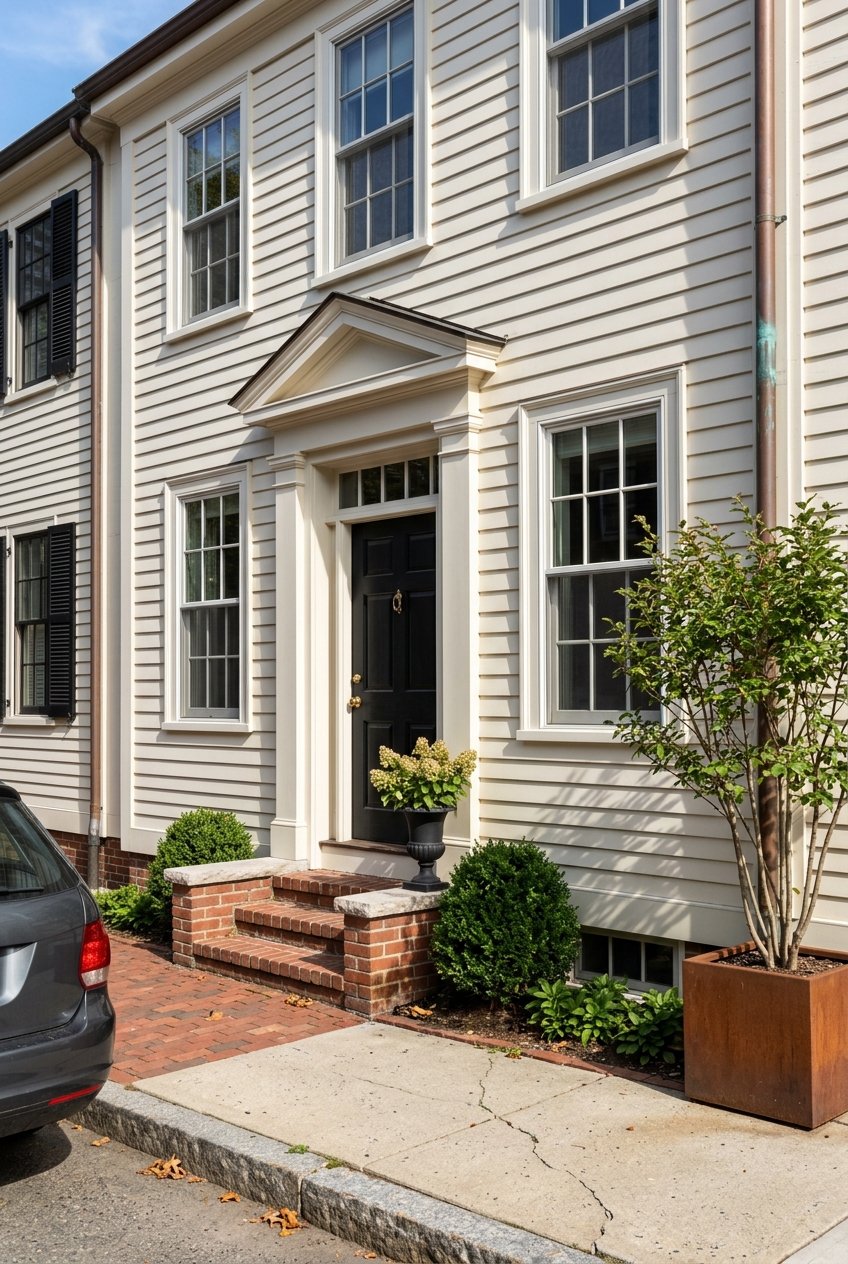
Wondering how to sell a downtown Newburyport rowhouse or townhome without leaving money on the table? In this part of the market, buyers tend to move quickly, but they also look closely at details that can make or break a decision. If you want a smoother sale and a stronger result, it helps to understand what downtown buyers care about most. Let’s dive in.
Why downtown Newburyport stands out
Downtown Newburyport is a distinct submarket, not just another part of town. Recent Redfin data shows Newburyport with a median sale price of $849,492 over the last three months and 22 average days on market, while Downtown Newburyport shows a $740,000 median sale price and 19 days on market.
That pace tells you something important. Buyers are paying attention to downtown inventory, and well-prepared homes can benefit from that demand. It also means your pricing, presentation, and documentation need to be ready from day one.
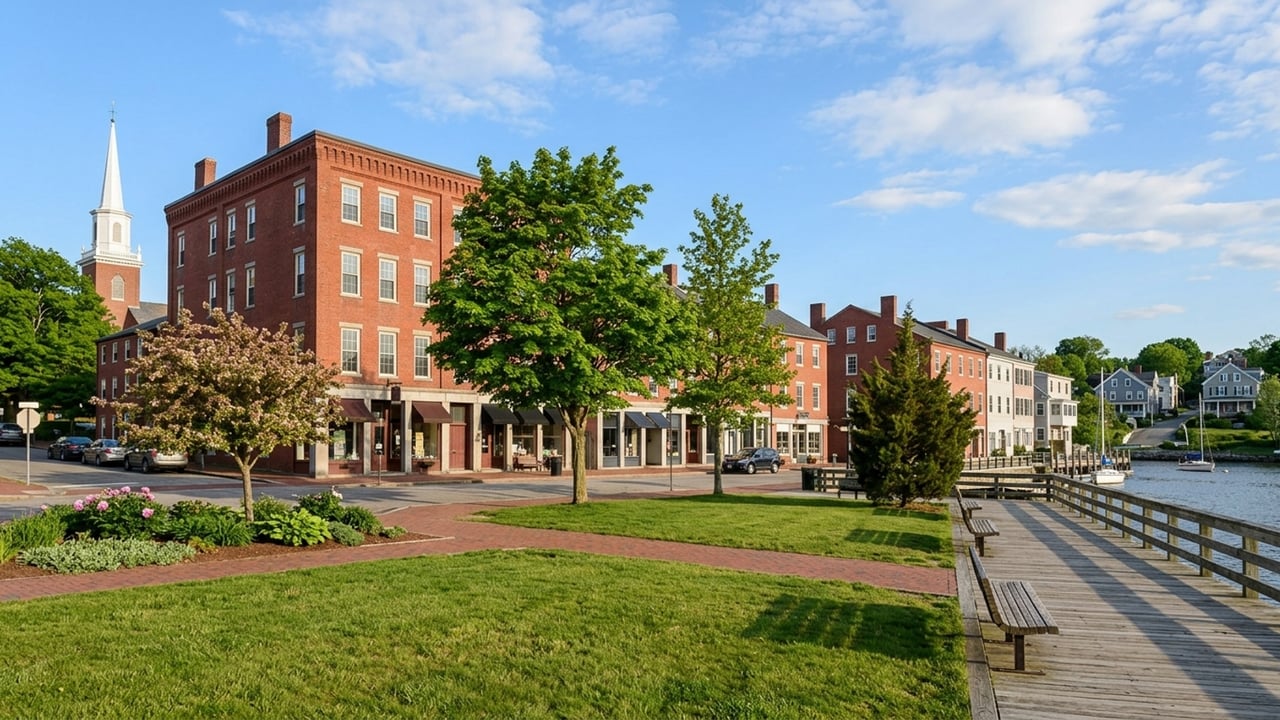
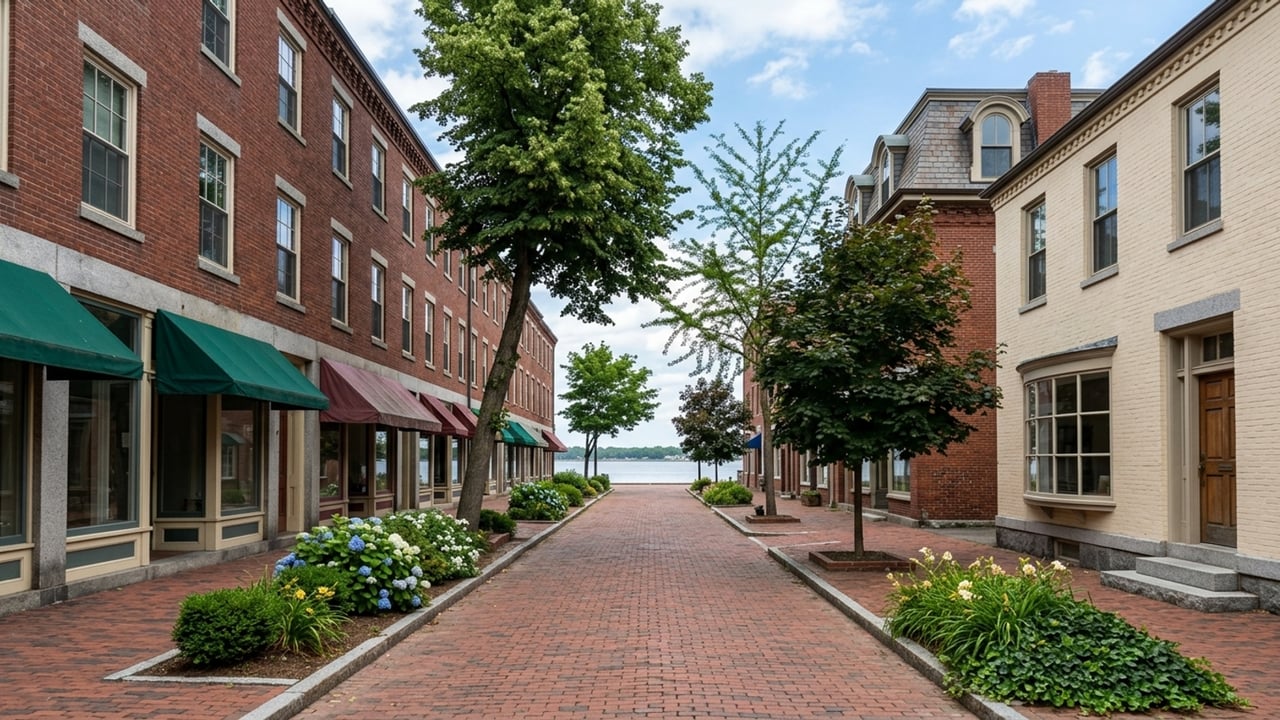
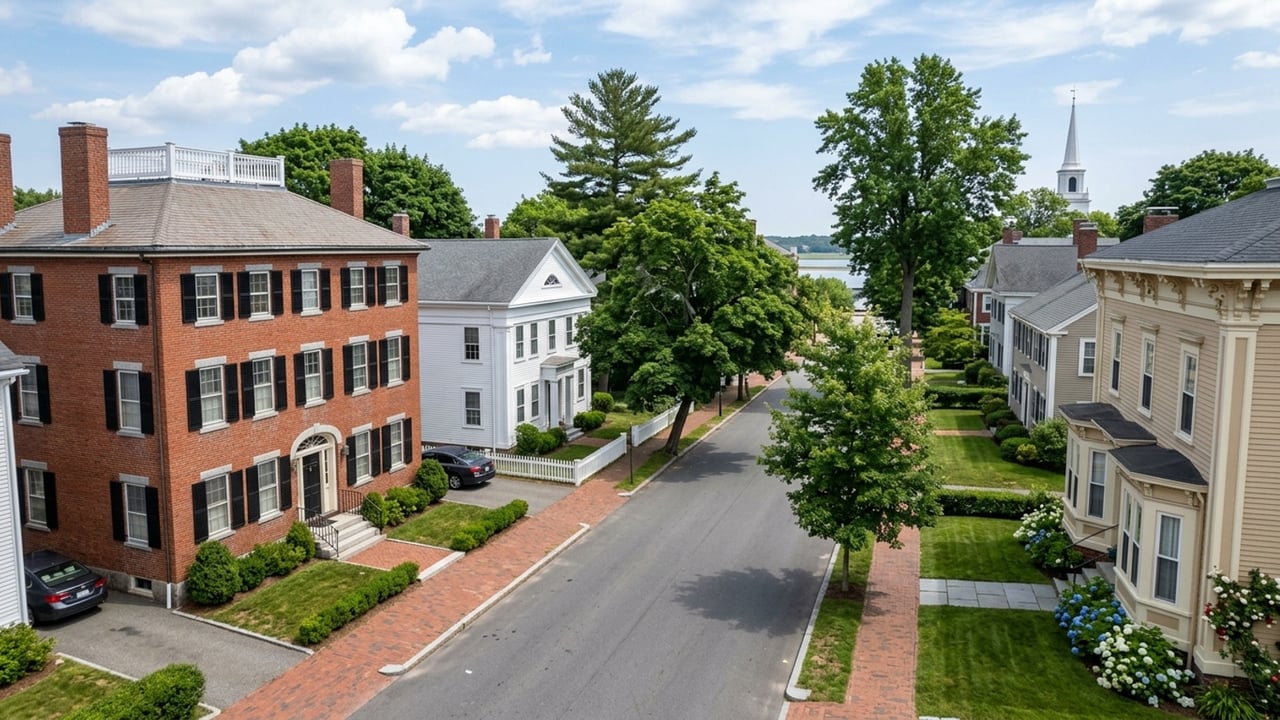
The setting is a major part of the value story. The city describes downtown as entirely within the state and federal Newburyport Historic District, with a unique land-use pattern and architectural, economic, and cultural character.
Downtown is also defined by walkability and mixed-use convenience. City materials describe a long-standing mix of retail, office, residential, and governmental uses, and the area connects easily to the Clipper City Rail Trail, waterfront spaces, and the MBTA commuter rail.
What buyers expect from a rowhouse or townhome
When buyers tour attached homes downtown, they often focus on a different checklist than they would for a larger detached property. They want charm and location, but they also want clarity around layout, light, storage, parking, and shared responsibilities.
In a rowhouse or townhome, space has to feel intentional. Narrower footprints, multiple levels, and shared walls can work beautifully, but only when the home is presented in a way that feels open, bright, and easy to live in.
Buyers will also look beyond the finishes. They often ask how the property functions day to day, especially when it comes to parking, exterior maintenance, condo documents, and any restrictions that could affect future changes.
Make the interior feel bigger
Presentation matters in any sale, but it is especially important in attached homes. The 2025 Profile of Home Staging from NAR found that 83% of buyers’ agents said staging helped buyers visualize a property as a future home.
For downtown rowhouses and townhomes, the goal is not to fill every room. The goal is to help buyers see how the home lives. Open circulation paths, scaled furniture, and clean sightlines can make a narrow layout feel more comfortable and more valuable.
Light is one of your best tools. NAR staging guidance notes that abundant light can make a space appear larger, so opening window treatments and removing visual clutter can have a meaningful impact.
Focus first on the rooms buyers notice most. NAR reports that the living room, primary bedroom, dining room, and kitchen are the most commonly staged spaces, with outdoor areas also playing a role.
Smart staging priorities
- Keep walk paths open from front to back
- Use fewer, properly scaled furniture pieces
- Open blinds and curtains to maximize daylight
- Clear surfaces to reduce visual noise
- Refresh outdoor seating or entry areas if applicable
- Store extra items that make rooms feel tight
Photos and marketing need to do more work
Many downtown buyers will form their first impression online, so your listing package needs to communicate value quickly. Sellers’ agents in NAR research rated photos, videos, and physical staging as highly important listing assets.
That matters even more in a lifestyle-driven market like downtown Newburyport. Buyers are not only shopping for square footage. They are often responding to a combination of historic character, walkability, waterfront access, and transit convenience.
A strong marketing plan should make the home’s best features easy to understand at a glance. For this property type, that usually means clear visuals, accurate floor flow, and a polished story about how the home fits into downtown living.
Historic review can affect pre-listing updates
Before you make exterior changes, pause and verify what is allowed. Newburyport’s historic-review rules state that some exterior changes require approval before work begins, and that review focuses on features visible from the public way.
This is especially important if you are thinking about pre-listing improvements. City guidance generally favors preserving original porches and stoops, keeping additions subordinate and less visible from the street, and treating decks carefully to preserve design integrity.
The city guidance also cautions against balconies or roof walks when they are visible from the public way. If you are considering window replacement, confirm local requirements first, since the city has separate published guidance on historic wood windows.
Exterior updates to review carefully
- Front stoops and porches
- Street-facing decks or additions
- Balconies and roof walks
- Window replacement plans
- Any façade change visible from the public way
For sellers, the practical takeaway is simple. Do not assume an exterior improvement will automatically add value if it creates review issues or raises buyer questions.
Parking can shape the sale
Parking is one of the biggest due-diligence topics for downtown buyers. Newburyport manages downtown parking through paid lots, garage permits, and zone-based resident and visitor permits, rather than through abundant unregulated street parking.
That means your listing should explain parking with precision. Buyers want to know whether a space is deeded, assigned, shared, or not included at all.
They may also ask whether guest parking exists, whether a garage permit is transferable, and whether the address qualifies for any nearby street permits. If the answers are vague, buyers may hesitate even if they love the property.
Winter logistics matter too. The city states that visitor permits are valid only in the zone where issued, one is allowed per household, they do not guarantee a space, and they are not valid during a snow emergency ban. During a parking ban, parking is prohibited on public ways.
Parking facts to prepare before listing
- Number of spaces included with the property
- Whether spaces are deeded, assigned, or shared
- Any guest parking rules
- Whether garage access or permits apply
- Street permit options for the address
- Snow emergency parking limitations
Condo and association documents matter early
If your rowhouse or townhome is part of a condominium or condo-style association, document prep should start well before the home hits the market. Massachusetts guidance says associations should keep current copies of the master deed, bylaws and amendments, minute book, financial records, service contracts, and insurance policies.
From a seller’s perspective, this is not just paperwork. It is part of buyer confidence. A complete and organized association packet can reduce friction during due diligence.
Buyers commonly ask about monthly dues, reserve balance, and pending or recent special assessments. They may also ask about pet rules, rental restrictions, exterior-change limits, and who is responsible for maintenance of the roof, façade, porch, or common areas.
Massachusetts also notes that condo-law and document questions are legal in nature and should go to an attorney with real estate experience. That is another reason to gather records early and identify any open questions before the property goes live.
Lead paint and older housing stock
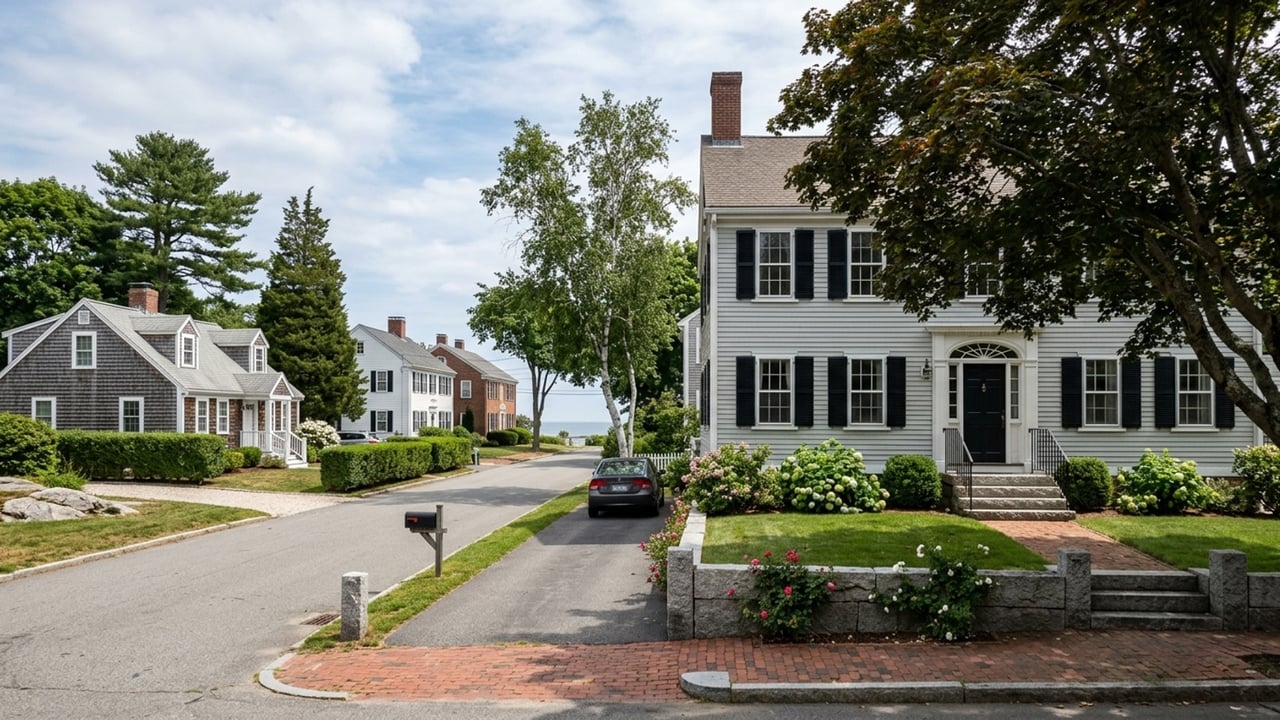
Because downtown Newburyport includes older housing stock, lead paint rules are often relevant. In Massachusetts, for homes built before 1978, sellers and agents must provide the Property Transfer Lead Paint Notification before a purchase and sale agreement is signed.
This is a standard but important step. Buyers may also review a property’s lead history through the state’s available records.
Handled early and clearly, this does not need to become a problem. It is simply one more part of presenting an older home with professionalism and transparency.
What your listing should communicate fast
In this market segment, a strong listing package should answer key buyer questions before they have to ask. That creates momentum and helps your home stand out for the right reasons.
For a downtown Newburyport rowhouse or townhome, the essentials usually come down to three things: how the home feels inside, how the logistics work outside, and what rules or documents shape ownership.
The three clearest selling points
- Interior flow and light: Show how the space lives across levels and through narrower rooms.
- Parking and association clarity: Spell out space rights, permit details, dues, and maintenance responsibilities.
- Historic and lead-related facts: Address possible constraints early so buyers can evaluate the property with confidence.
Selling strategy matters in a fast-moving downtown market
Downtown Newburyport moves on a combination of timing, trust, and presentation. With median days on market running faster downtown than the city overall, you do not get much time to correct weak photos, incomplete documents, or fuzzy property details.
That is why selling this kind of home often benefits from a more tailored approach. You want polished marketing, thoughtful staging guidance, pricing grounded in current local conditions, and a clear plan for the details buyers will scrutinize.
For many sellers, the best result comes from treating the home not just as square footage, but as a specific downtown lifestyle offering. When the story, visuals, and facts all line up, buyers can act with more confidence.
If you are preparing to sell a downtown Newburyport rowhouse or townhome, Zaniboni Luxury Group can help you shape the strategy, presentation, and concierge-level process needed to bring your home to market with confidence.
FAQs
What should you do before listing a downtown Newburyport rowhouse?
- Start with staging, document gathering, and a review of any parking, condo, historic, or lead-paint details that buyers are likely to ask about.
Why is parking such a big issue for downtown Newburyport townhomes?
- Downtown parking is managed through paid lots, permits, and zone rules, so buyers want exact information about where they can park and what happens during snow emergencies.
Do historic rules affect selling a downtown Newburyport home?
- Yes. Some exterior changes require approval before work begins, especially if they are visible from the public way.
What condo documents should sellers prepare for a Newburyport townhome sale?
- Buyers often expect access to the master deed, bylaws and amendments, minutes, financial records, service contracts, and insurance information.
Does lead paint matter when selling an older Newburyport property?
- Yes. For homes built before 1978, Massachusetts requires the Property Transfer Lead Paint Notification before a purchase and sale agreement is signed.