Newburyport weather pages stop at temperatures, but for a buyer, the weather that matters is the winter you won't see on a summer showing. In the 90 days ending September 30, 2026, single-family homes sold at 100.7% of list price even though their median fell 10.2% year over year to roughly $1,167,000.
A lower median sale price doesn't mean sellers are discounting properties across the board. Your room to negotiate lies in checking the flood zone, roof, basement, and heating system for nor'easter season, not just looking at the price tag.
Key Takeaway
Newburyport has a four-season coastal New England climate, with ocean-cooled summers and snowy winters. The weather that matters most for a homeowner is the nor'easter, not the thermometer. Shop in the summer market, but plan your inspection and flood-zone check around winter. If you want to hand off snow removal and exterior upkeep, condos are the alternative, at a median of $529,946 (based on 11 condo sales, 90 days ending September 30, 2026).
Who This Guide Is For
You are considering a move to or a home purchase in Newburyport and want to know what the weather is like year round and how it should shape the home you choose.
What Is the Weather Like in Newburyport, MA?
The Atlantic Ocean and the Merrimack River mouth moderate temperatures throughout the year. The ocean warms slowly in the spring and holds its heat deep into the fall, shifting the seasons slightly compared to towns further inland.
Coastal storms are the defining feature of the local climate. These systems dictate property maintenance and insurance requirements, and they can flip snow to rain, bring heavy wet snow, or push storm surges into low-lying streets.
How the Ocean Shapes Newburyport's Weather
The water acts as a buffer against extreme temperatures. Summer afternoons often bring a cooling sea breeze that keeps extreme heat at bay, and in the winter, the ocean can soften the bitter cold. It also fuels the moisture needed for heavy coastal snowfall.
The downside is the salt air that wears on siding, windows, and HVAC equipment. The same ocean that cools July is the source of nor'easter storm surge.
Newburyport Weather Compared with Boston
Newburyport sits about 35 miles north of Boston, and the climate is largely similar. Both experience the same major storm systems and coastal effects throughout the year. Because Newburyport is slightly further north, it can run just a few degrees cooler than the city on average.
Weather alone shouldn't decide between the two places. Compare the commute and home prices in our Newburyport versus Boston guide instead.
Newburyport Weather by Season
The changing seasons dictate how you maintain a home here. A house looks completely different in a February snowstorm than it does on a sunny July afternoon, and understanding that cycle helps you plan your search.
Winter in Newburyport
Winter brings cold temperatures, nor'easter snow, and ice. Managing a home means shoveling, clearing roof snow, and paying for heating fuel.
Downtown residents with on-street parking must plan around the city's snow emergency parking rules. Per the City's 2025/26 Snow and Ice Plan, a ban takes effect when two or more inches of snow are predicted, at which point all on-street parking is prohibited citywide, though residents may use designated alternate municipal lots like the Green Street Municipal Lot or Cushing Park at their own risk.
Ice dams and roof snow load are real costs on older homes. Know where your car goes before the first storm.
Spring in Newburyport
Spring arrives late and often feels raw near the water, because the ocean warms slowly. Wet weather and melting snow test a home's exterior and drainage.
Snowmelt and spring storms are when wet basements show up. A dry basement in July tells you little about how the house handles spring rain.
Summer in Newburyport
Summers are warm but tempered by the ocean. This is peak beach season on Plum Island and the busiest time for outdoor dining downtown. Many older homes were built without central air, so ask what cooling the house has, and expect summer visitor traffic downtown and at the beaches.
Fall in Newburyport
Fall is often the most comfortable stretch of the year: mild days, cool nights, the ocean still holding some of its summer warmth. It's a good season to see a house and its systems under changing conditions. The tail of hurricane season overlaps early fall, and heating season starts shortly after. Budget for heating fuel before your first winter.
Storms and Coastal Flooding in Newburyport
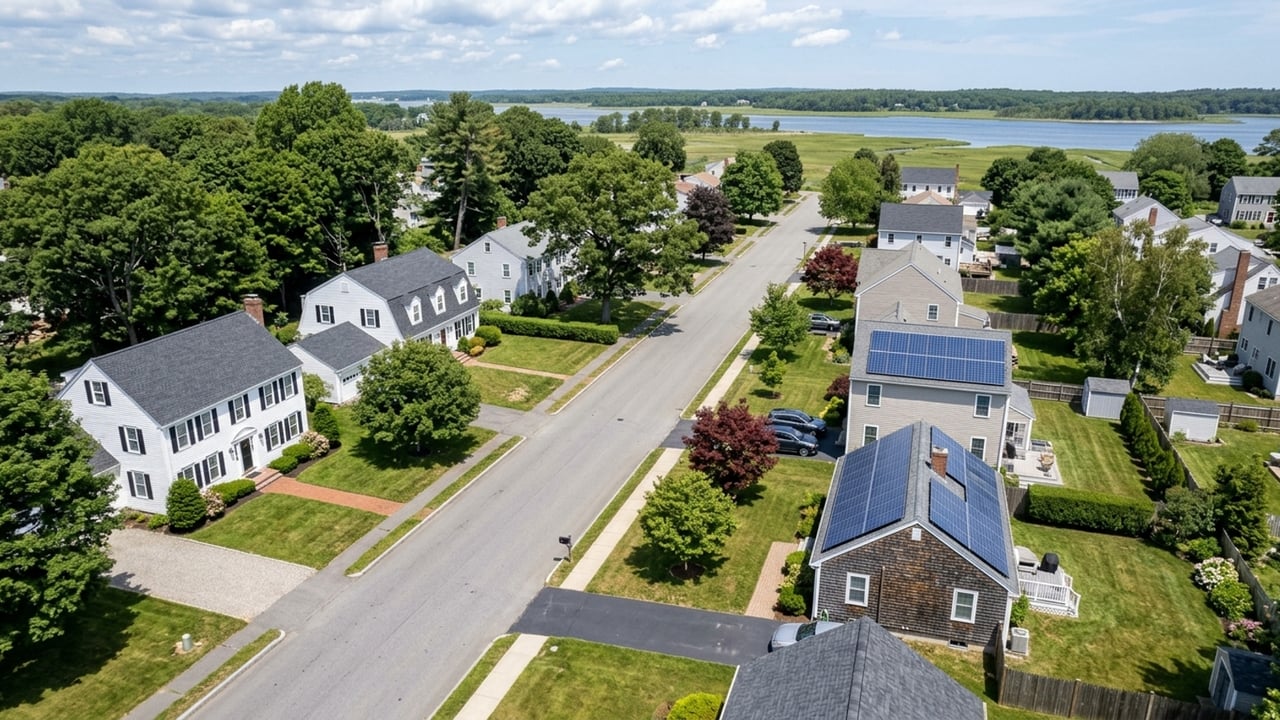
The Merrimack River and the Atlantic Ocean create beautiful views, but they also bring coastal hazards that shape the town's geography and influence insurance costs. If the address you're considering is on Plum Island or near the Merrimack waterfront, storm exposure is a daily reality. The official records live with the city and federal agencies, so you can check a property's risk before making an offer.
Nor'easters and Coastal Flooding
Nor'easters, rather than hurricanes, are the recurring threat in this area. These winter storms bring onshore wind, high tides, and surge along the waterfront and Plum Island.
Storm flooding can reach low-lying streets that never flood on a normal day. A dry street on a showing day proves nothing about how it fares during a major nor'easter.
Plum Island Erosion and Sea Level Rise
Erosion is a documented issue on the barrier beach. During three major nor'easter storms in the winter of 2012-2013, six homes on Plum Island were destroyed, seven were condemned, and 24 were deemed in imminent danger in the Annapolis Way area.
The Newburyport Resiliency Checklist incorporates sea level rise projections of 4.2 feet above 2000 levels by the year 2070, with associated storm surge. Oceanfront views come with exposure that can change insurance costs and resale conversations. Ask for the property's storm and repair history.
Hurricanes and Tropical Storms
Direct hurricane hits are rare, but tropical remnants do reach the North Shore between August and October. Twelve significant tropical cyclones made landfall across New England between 1900 and 2009.
Flood damage is generally not covered by a standard homeowners policy. Confirm flood coverage separately before you buy.
How Weather Affects Buying a Home in Newburyport
Weather dictates what you inspect and how you budget for carrying costs. The features that make a house comfortable in July might not hold up in February.
Will heating costs or summer heat in an older home strain your budget? Do you want to handle snow, roof, and exterior upkeep yourself? These questions should guide your property search.
Check the Flood Zone Before You Make an Offer
Look up the address on the FEMA Flood Map Service Center and note its flood zone. Newburyport's effective maps were updated in July 2025, classifying areas into AE and AO zones (1% annual chance of flooding), VE zones (which add coastal wave hazards), and X zones (lower risk).
If the home sits in a high-risk zone and you use a federally backed mortgage, your lender will require flood insurance. Ask the seller whether an elevation certificate exists, and get a flood insurance quote before your offer, not after.
Inspect a Summer Listing for Winter Problems
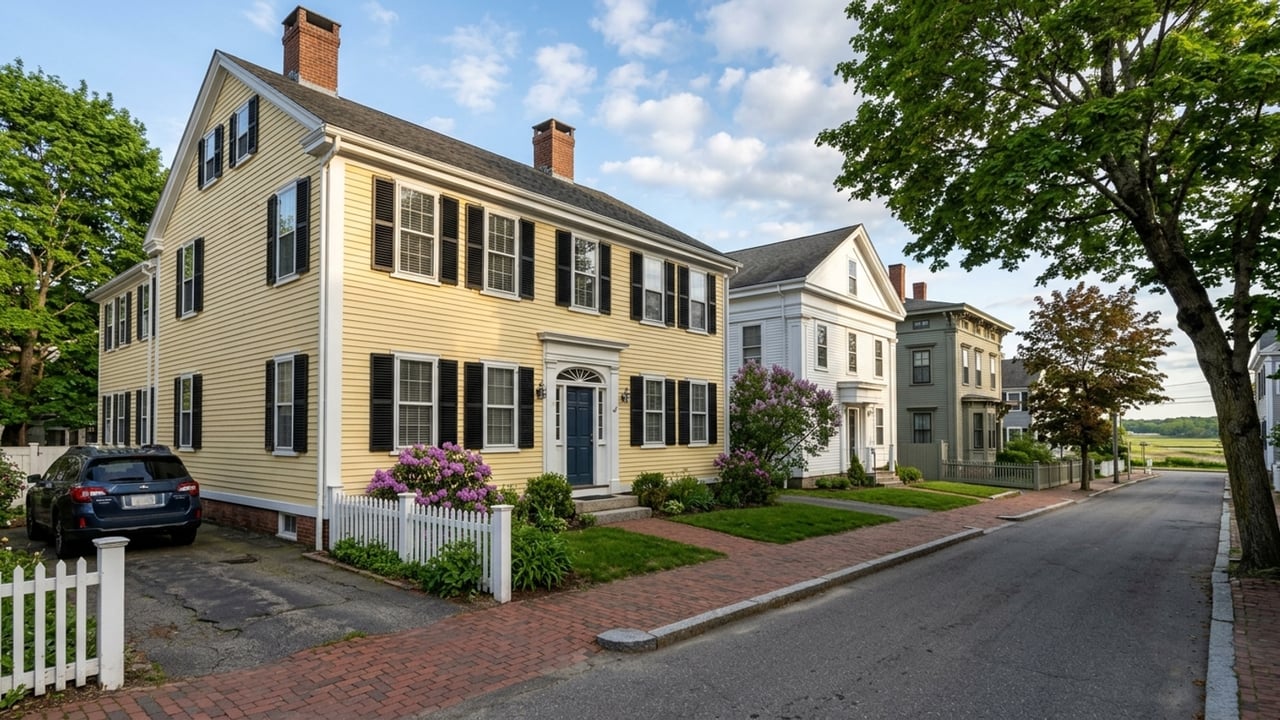
When you're viewing a home in good weather, you have to look for invisible winter problems. Ask your inspector to check the roof age, ice dam signs, attic insulation, and gutters.
Single-family homes recently took a median of 30 days to sell. That's enough time to run thorough inspections if you move promptly. Lean on seller disclosures and repair records, not just on what you can see.
Condos and Townhouses Versus Single-Family Homes in Winter
Shared buildings usually move snow removal, roofs, and exteriors to the HOA. Condos sold fastest in the recent data window, at a median of 20 days, though this rests on a small sample of 11 sales.
Low-upkeep living isn't necessarily cheaper per square foot. Townhouses recently cost $584 per square foot compared to $568 for single-family homes. Storm repairs to a shared roof or seawall can arrive as a special assessment, so ask the HOA for current dues and the reserve balance.
Heating and Cooling Costs
Winter length drives household budgets more than summer does. Fuel type, whether oil, gas, or heat pump, and the age of the house matter for your monthly bills.
An older home with original windows can cost far more to heat than its square footage suggests. Ask the seller for 12 months of heating and cooling bills and the age of the heating system. You can compare utility estimates in our guide to the cost of living.
Best Time to Move to Newburyport
Timing your move changes what you see on the market and how you negotiate. The summer months offer the easiest weather for moving boxes, but they also bring the most competition. Off-season shopping changes the dynamic entirely.
Moving in Summer and Early Fall
This is the easiest weather for a move, and the market is active. Recently, 37.9% of all homes sold above list price during the summer window.
Expect competition and be ready with pre-approval and inspection plans. You'll be shopping in the season that shows homes at their best and hides winter problems, which is the exact risk you need to manage.
Buying Outside the Summer Season
Off-season shopping lets you see a house in bad weather. You can spot drafts, wet basements, and ice on the roof edge.
Snow can cover a roof and grading during an inspection. Ask for a re-inspection clause or a seller credit if items can't be checked. Read our housing market trends page to compare winter pricing, as our recent data covers the summer months.
At a Glance
- All homes: median sale price $1,012,018, up 10.6% year over year (67 sales, 90 days ending Sept 30, 2026)
- Single-family homes: median sale price $1,167,035, down 10.2% year over year (43 sales, 90 days ending Sept 30, 2026)
- Condos: median sale price $529,946, up 8.7% year over year (based on 11 condo sales, 90 days ending Sept 30, 2026; small sample, treat with caution)
- Townhouses: median sale price $995,012, up 8.7% year over year (based on 13 townhouse sales, 90 days ending Sept 30, 2026; small sample)
- Median days on market (90 days ending Sept 30, 2026): all homes 29, single-family 30, condos 20 (11 sales), townhouses 29 (13 sales)
- Sale-to-list ratio (90 days ending Sept 30, 2026): all homes 100.3%, single-family 100.7%, condos 99% (11 sales), townhouses 100.1% (13 sales)
- Share sold above list price (90 days ending Sept 30, 2026): all homes 37.9%, single-family 38.1%, condos 45.4% (11 sales), townhouses 30.7% (13 sales)
- Months of supply (90 days ending Sept 30, 2026): all homes 3.3, single-family 3.4, condos 3.1 (11 sales), townhouses 2.4 (13 sales); all-homes inventory 72
- Median price per square foot (90 days ending Sept 30, 2026): all homes $558, single-family $568, condos $486 (11 sales), townhouses $584 (13 sales)
Newburyport Weather FAQs
Where Can I Get an Accurate Weather Forecast for Newburyport, MA?
Check the National Weather Service Boston/Norton office for current conditions. They issue coastal flood and winter storm warnings for Essex County. These patterns cover typical seasonal behavior, not today's forecast.
How Much Snow Does Newburyport, MA Get per Year?
Newburyport averages 61.9 inches of snow annually across 23.2 days with measurable snowfall, based on 1991-2020 NOAA climate normals. Coastal storms can bring heavy wet snow or a rain-snow mix to the area. Nearby Haverhill averages 57.8 inches over 20.2 days.
Is It Humid in Newburyport in the Summer?
Yes, the region experiences humid summers. At Boston Logan Airport, the average dew point is 62.1°F in July and 61.7°F in August. Ask whether the house has central air or a dehumidifier in the basement to handle the moisture.
Does Newburyport Have a Beach, and When Is the Water Warm Enough to Swim?
Yes, Plum Island offers miles of beaches. The ocean water typically warms up enough for swimming by mid-to-late summer. Check our things-to-do page for more beach details.
What Climate Zone Is Newburyport, MA In?
Newburyport is in the Warm-Summer Humid Continental Climate zone (Köppen Dfb). For landscaping, ZIP code 01950 falls in USDA Plant Hardiness Zone 6b, which means extreme winter lows average -5°F to 0°F. This hardiness zone tells you which perennial plants and shrubs will survive the winter.
Does Newburyport Get Tornadoes?
Essex County has recorded 12 tornadoes since 1950, ranking it among the top Massachusetts counties for tornado frequency. A 60-knot thunderstorm wind event was confirmed in Newburyport in June 2015. Coastal storms and nor'easters remain the more common hazard.
Is Newburyport's Weather a Good Fit for Living Year Round?
It depends on how you handle the long New England winter. The town offers mild, ocean-cooled summers, but residents must manage snow and storm exposure through the colder months. Review our pros and cons page for a broader look at living here.
Sources
- Redfin: Data Center
- Current Results: Massachusetts Annual Snowfall
- The Boston Globe: Plum Island Erosion
- City of Newburyport: FEMA Flood Maps
- PlantMaps: USDA Plant Hardiness Zone 01950
- Climate.gov: Hurricane New England
- NOAA: Storm Events Database
- Wikipedia: Boston Weatherbox
- City of Newburyport: Resiliency Checklist
- Weatherbase: Newburyport Climate Summary
- City of Newburyport: Snow and Ice Plan 2025-2026