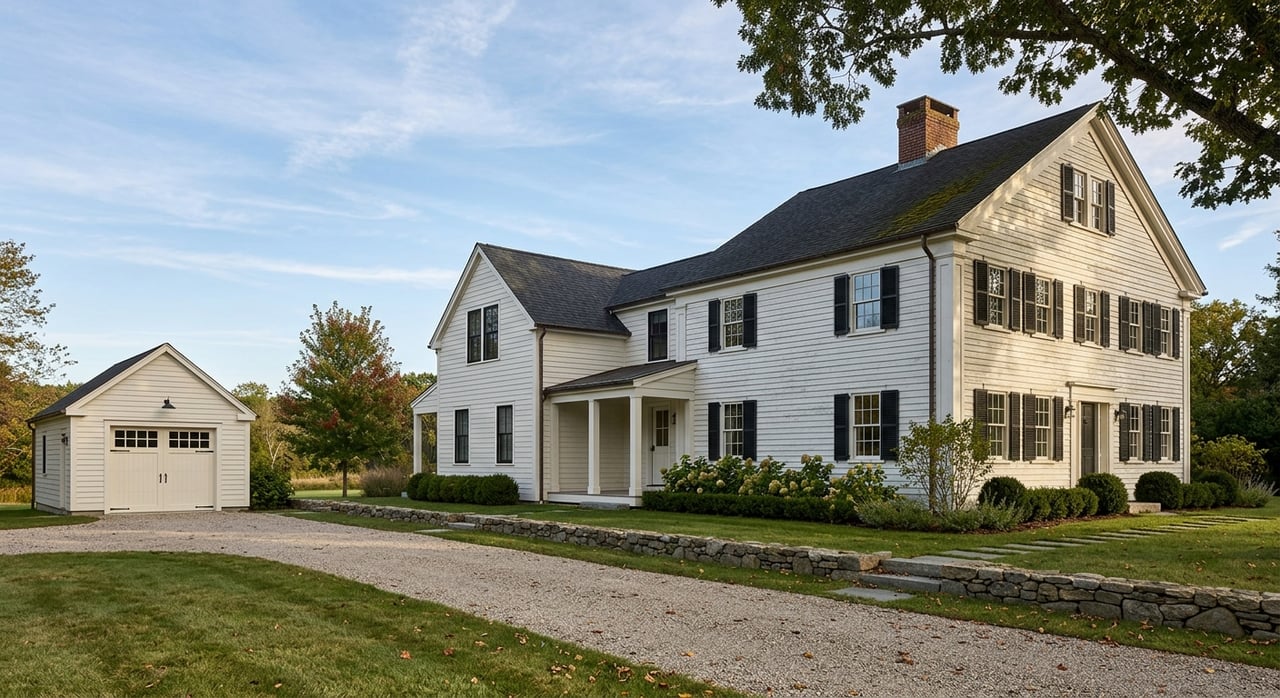
If you are torn between a centuries-old farmhouse and a polished new build in West Newbury, you are not alone. This town makes the choice especially interesting because its housing stock blends deep New England history with a limited supply of newer homes, all within a competitive and high-priced market. If you want to understand what you are really buying, from charm and land use to inspections and long-term costs, this guide will help you compare both paths with more confidence. Let’s dive in.
Why West Newbury Feels Different
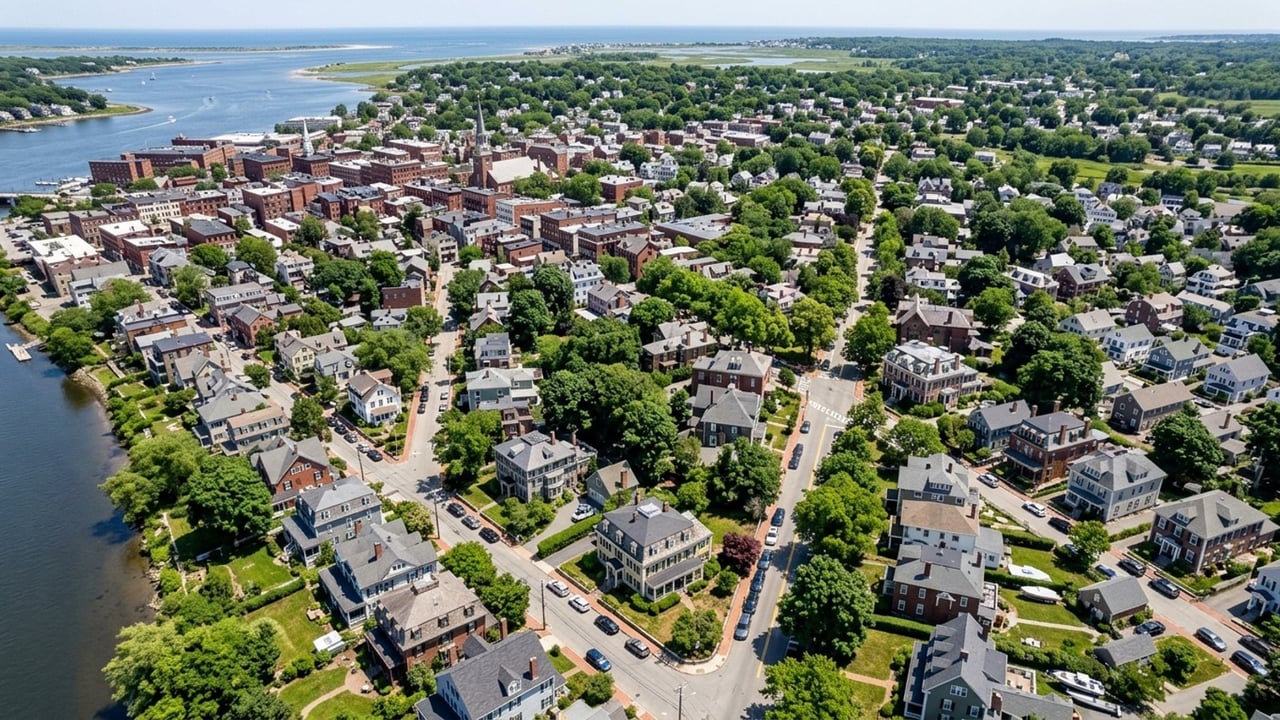
West Newbury is not a typical suburb with rows of similar homes and easy redevelopment. According to the town’s housing and planning documents, it has kept a distinctly rural character, with open space, wetlands, steep slopes, and limited infrastructure shaping how homes are built and where they sit on the land. At the same time, you still get practical regional access to I-95 and I-495, which helps explain the town’s appeal.
That setting creates a housing market where both antique homes and newer construction can be highly desirable, but for very different reasons. West Newbury’s draft housing plan reports that only 7% of homes were built after 2010, while a large share of the housing stock predates 1960 and most homes have three or more bedrooms. In a market where Redfin reported a February 2026 median sale price of $900,000 and Zillow showed very limited inventory, your decision often comes down to character versus predictability.
What Antique Farmhouses Offer
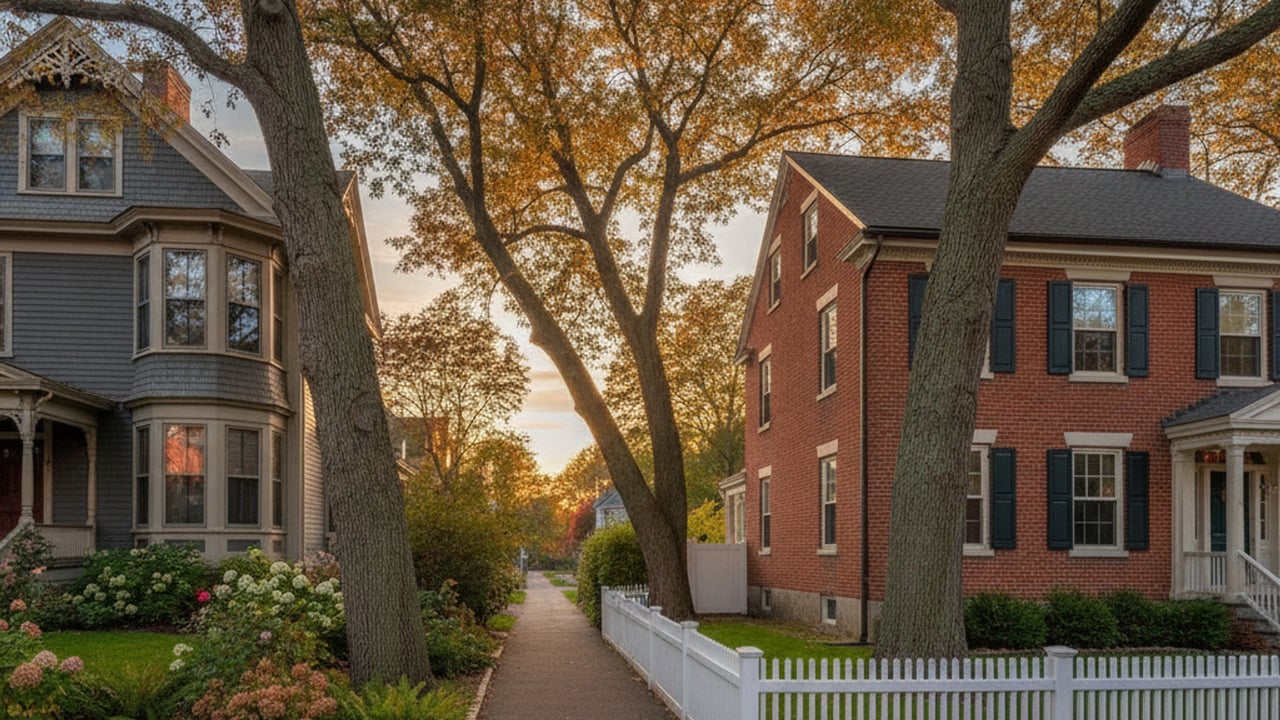
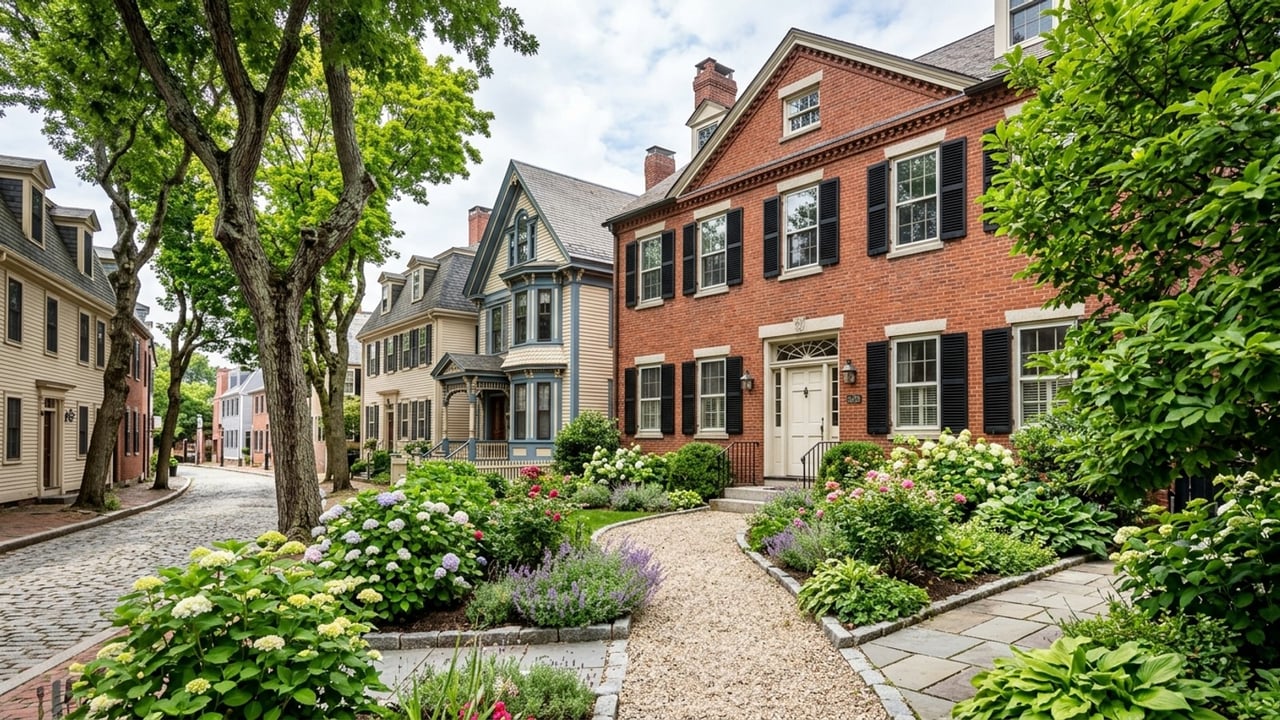
For many buyers, an antique farmhouse is the reason to live in West Newbury in the first place. The town’s Historical Commission highlights homes such as the Moody-Ridgway House and the Bolton-Huse House, reflecting a long architectural history that includes Colonial, Federal, Greek Revival, and Italianate styles. That kind of heritage can give a property a sense of place that is hard to duplicate.
Beyond age alone, antique homes often deliver visual texture and craftsmanship that feel personal rather than manufactured. You may find original wood-frame construction, wide-plank floors, hand-hewn details, older barns, carriage houses, and room layouts shaped by generations of use. For buyers who value authenticity, that can be the whole point.
In West Newbury, antique properties can also pair well with the town’s rural identity. A farmhouse on usable acreage with a legal outbuilding or barn may offer a lifestyle that feels tied to the landscape in a way newer homes sometimes do not. That matters in a town that has intentionally preserved farmland and open space.
The Lifestyle Side of Antique Homes
Buying an older farmhouse here is not just about the house itself. It is also about how the property fits into a working rural environment. West Newbury’s 2025 Right to Farm bylaw was adopted to protect farmland and preserve rural character, while also making clear that ordinary farm noise, odors, dust, and fumes are part of the local landscape.
If that sounds appealing, an antique property may align well with what you want from West Newbury. If you want a highly controlled suburban setting, it is worth weighing that expectation carefully before you buy.
What New Builds Offer
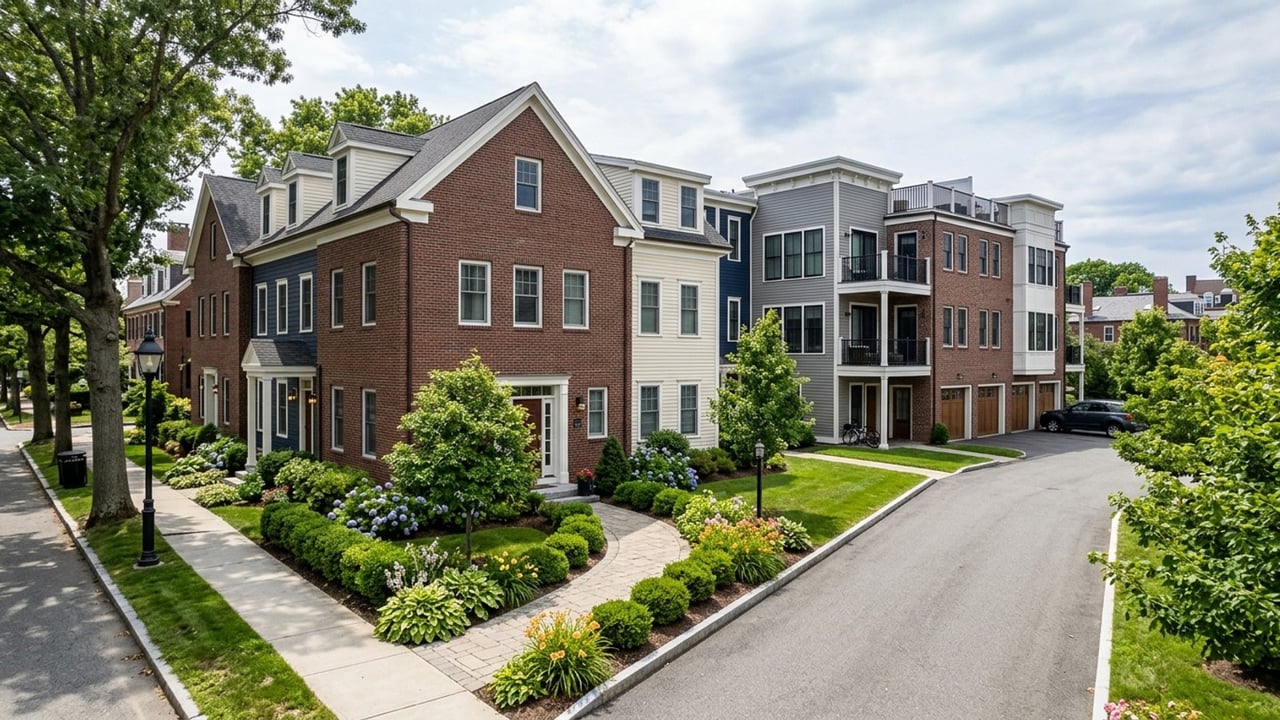
New construction appeals to buyers who want less guesswork and more immediate comfort. In a town where many homes are older and inventory is tight, a newer home can stand out for its modern systems, cleaner condition profile, and lower likelihood of major near-term surprises.
Energy performance is one of the strongest practical advantages. West Newbury is a Green Community and has adopted stretch code for new construction, which is intended to reduce life-cycle energy costs. That usually gives newer homes an edge in efficiency, comfort, and operating costs compared with a prewar farmhouse.
For buyers focused on turnkey living, a new build may also better match modern expectations around open layouts, insulation, heating and cooling, and home-office flexibility. You still need due diligence, but you are often spending less time planning immediate repairs and more time settling in.
The Supply Side of New Construction
New homes are not common in West Newbury. The town’s housing plan shows that development is shaped by low-density zoning, with large minimum lot sizes in key residential districts. That limits how much new inventory can be created and helps explain why newer homes can command attention when they come to market.
There are also alternative paths that may appeal to some buyers. The same housing plan notes that accessory dwelling units are allowed by right throughout town under the 2023 ADU bylaw, and two-family units are also allowed by right throughout town. Depending on the parcel, your goals, and local zoning, that can create options between full restoration and fully new construction.
The Biggest Tradeoffs to Consider
The farmhouse-versus-new-build question is really a question of how you want to spend your time, money, and attention after closing. Both can be excellent choices, but they come with very different ownership experiences.
Here is the simplest way to frame it:
| Factor | Antique Farmhouse | New Build |
|---|---|---|
| Character | Strong historic identity and original details | Cleaner, more current design and systems |
| Maintenance | Higher likelihood of ongoing upkeep | Typically fewer immediate repair needs |
| Energy Use | Often less efficient without upgrades | Usually more efficient from day one |
| Unknowns | More system and condition uncertainty | Fewer age-related surprises |
| Supply | More common than true new builds | Limited inventory in town |
| Lifestyle Fit | Often pairs with barns, acreage, rural authenticity | Appeals to buyers seeking turnkey comfort |
Inspections Matter on Both Sides
No matter which direction you lean, inspections are critical in West Newbury. For antique homes, they are essential. Older properties may require a closer look at the roof, siding, windows, electrical, plumbing, insulation, heating systems, and any visible signs of deferred maintenance.
Septic is especially important because West Newbury has no municipal sewer system and relies on individual on-site septic systems under Title 5. According to Massachusetts Title 5 transfer rules and state guidance, septic inspections are generally required within two years before or six months after transfer, with some exceptions tied to pumping history.
Inspection rights have also become more protected in Massachusetts. For home sales after October 15, 2025, sellers and agents cannot condition a sale on the buyer waiving a home inspection. That change gives you more room to evaluate the home properly, which is especially important in a market where competition can put pressure on decision-making.
Lead Paint and Older Homes
If you are considering an antique farmhouse, lead-based paint should be part of your due diligence. The EPA says older homes are more likely to contain lead-based paint, and for homes built before 1978, the safest assumption is that lead may be present until testing or remediation shows otherwise. EPA data indicates that 87% of homes built before 1940 have some lead-based paint.
That does not automatically make an antique home a poor choice. It simply means you should go in with clear information, the right inspections, and a realistic budget for lead-safe repairs if needed.
Infrastructure Is Not Just an Old-Home Issue
It is easy to assume that infrastructure concerns belong only to older houses, but that is not the case in West Newbury. Even new homes operate within the same local constraints around sewer, water access, lot coverage, and environmental review.
The town’s housing plan notes that there is still no centralized municipal sewer system, and public drinking water reaches only about 63% of homes. It also explains that the groundwater protection district along the Artichoke and Merrimack Rivers can trigger special permit review when impervious cover exceeds certain thresholds. In other words, even a beautiful new build is not infrastructure-free.
That is why land analysis matters so much here. What looks like a generous parcel on paper may be shaped by wetlands, conservation restrictions, groundwater rules, or limited buildable area.
How Land and Outbuildings Affect Value
In West Newbury, square footage is only part of the story. Barns, detached garages, carriage houses, and other outbuildings can be meaningful assets, especially when they are permitted, useful, and well maintained. As Massachusetts property record guidance makes clear, assessors and appraisers consider factors such as style, age, condition, lot size, setting, and amenities when valuing a home.
That means a farmhouse with a strong barn and usable land may offer more practical value than its interior square footage suggests. On the other hand, a large parcel with restrictions or limited access may not carry the same utility or value as a similarly sized unrestricted lot.
This is one of the most important distinctions in West Newbury. Acreage and usable acreage are not the same thing. If a property includes conservation restrictions or falls under an Agricultural Preservation Restriction, the land may have limits that affect future plans.
Renovation Financing Can Change the Math
Some buyers assume an antique farmhouse automatically requires all-cash reserves for upgrades, but financing options can help bridge the gap. If you want one loan that covers both purchase and repairs, HUD’s 203(k) program can finance homes that are at least one year old. Fannie Mae’s HomeStyle Renovation mortgage is also referenced in the research as an option for repairs, remodeling, energy improvements, and additions.
Massachusetts buyers may also want to look at MassHousing’s home improvement and energy loan programs. These programs can support safety, code-related work, energy upgrades, weatherization, roof replacement, and heat pump projects, depending on eligibility and project scope.
Mass Save may also be part of the conversation. The research notes that Mass Save offers no-cost assessments, air sealing, insulation incentives, 0% HEAT Loan financing for qualifying improvements, and heat pump rebates. For an older farmhouse, that can make efficiency upgrades more realistic and improve long-term comfort.
Which Home Type Fits You Best?
If you are drawn to original architecture, period details, barns, and a sense of history rooted in the land, an antique farmhouse may be the right match. You may need patience, strong inspections, and a realistic maintenance plan, but the payoff can be a home with true identity.
If you want lower operating uncertainty, modern energy performance, and a more turnkey ownership experience, a new build may be the better fit. In West Newbury, though, you still need to understand lot constraints, septic realities, and how local infrastructure shapes daily living.
The best choice is rarely about old versus new in the abstract. It is about whether the specific property has solid inspections, realistic carrying costs, and land that truly supports your goals.
In a market this tight, having a local strategy matters. If you are comparing antique farmhouses, newer construction, or properties with value in the land and outbuildings, Zaniboni Luxury Group brings the kind of high-touch guidance, market insight, and inspection-minded advice that can help you move with clarity.
FAQs
What should you inspect first when buying an antique farmhouse in West Newbury?
- Focus early on septic, roof, electrical, heating, plumbing, insulation, and any signs of lead-based paint or deferred maintenance.
Are new builds in West Newbury easier to maintain than older farmhouses?
- In many cases, yes, because newer homes usually have more current systems and better energy performance, though they still require due diligence around land, septic, and infrastructure.
Do homes in West Newbury usually have town sewer and public water?
- No. West Newbury has no centralized municipal sewer system, and public drinking water reaches only about 63% of homes.
Can land value in West Newbury be affected by wetlands or restrictions?
- Yes. Buildable area, conservation restrictions, groundwater rules, and other land constraints can affect how usable a parcel really is.
Are there financing options for renovating an older West Newbury home?
- Yes. Options in the research include HUD 203(k), Fannie Mae HomeStyle Renovation, MassHousing improvement loans, and Mass Save energy-related incentives and financing.
Is inventory tight for both antique homes and new builds in West Newbury?
- Yes. Research cited for early 2026 showed a high-priced market with limited inventory, making preparation and strong due diligence especially important.