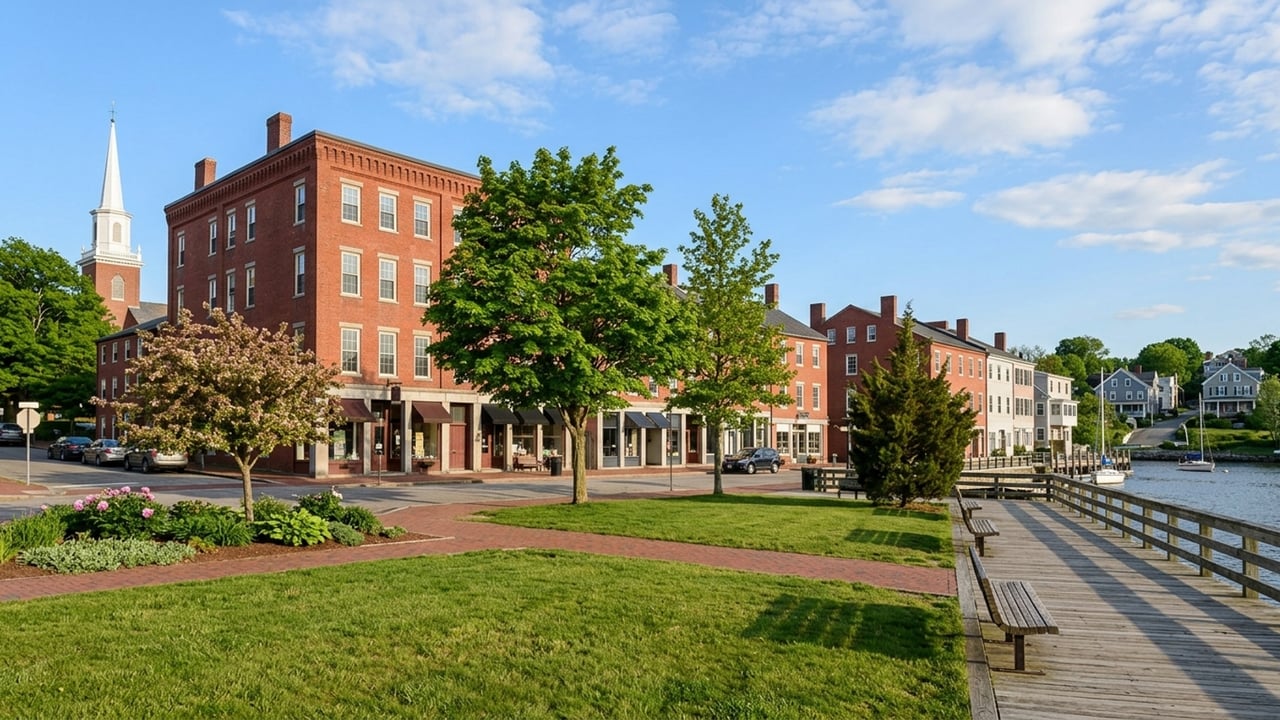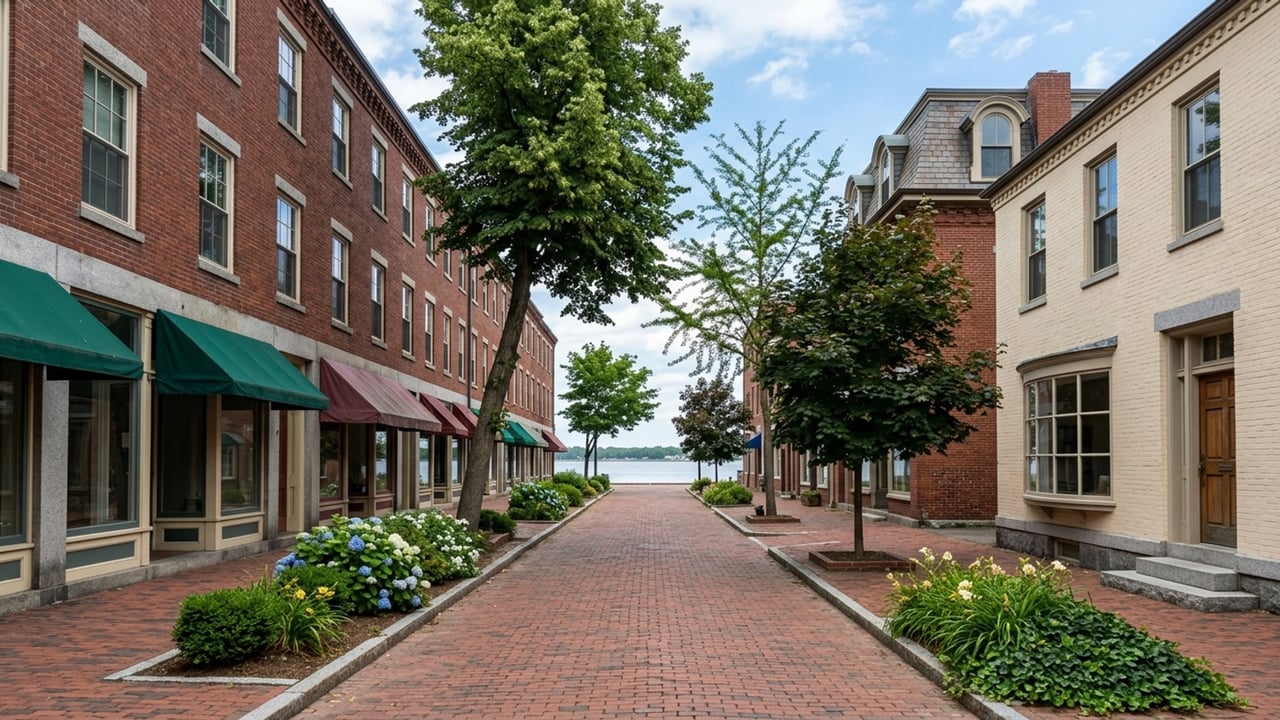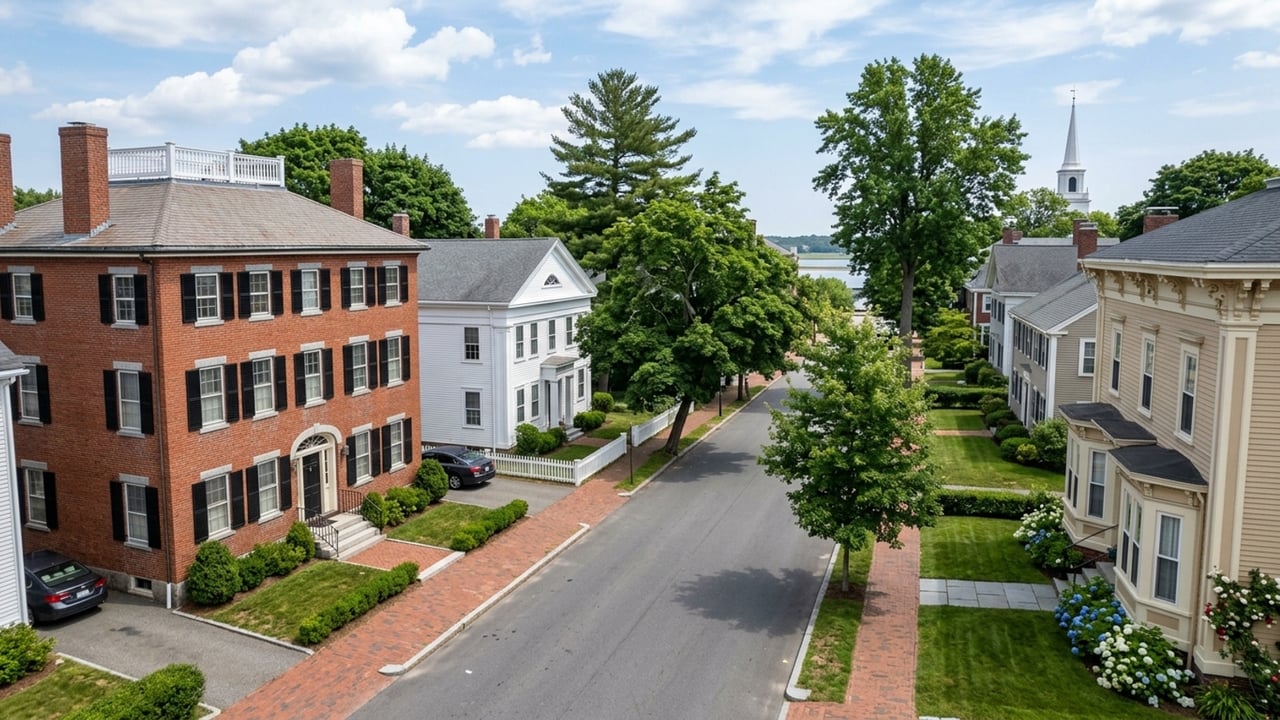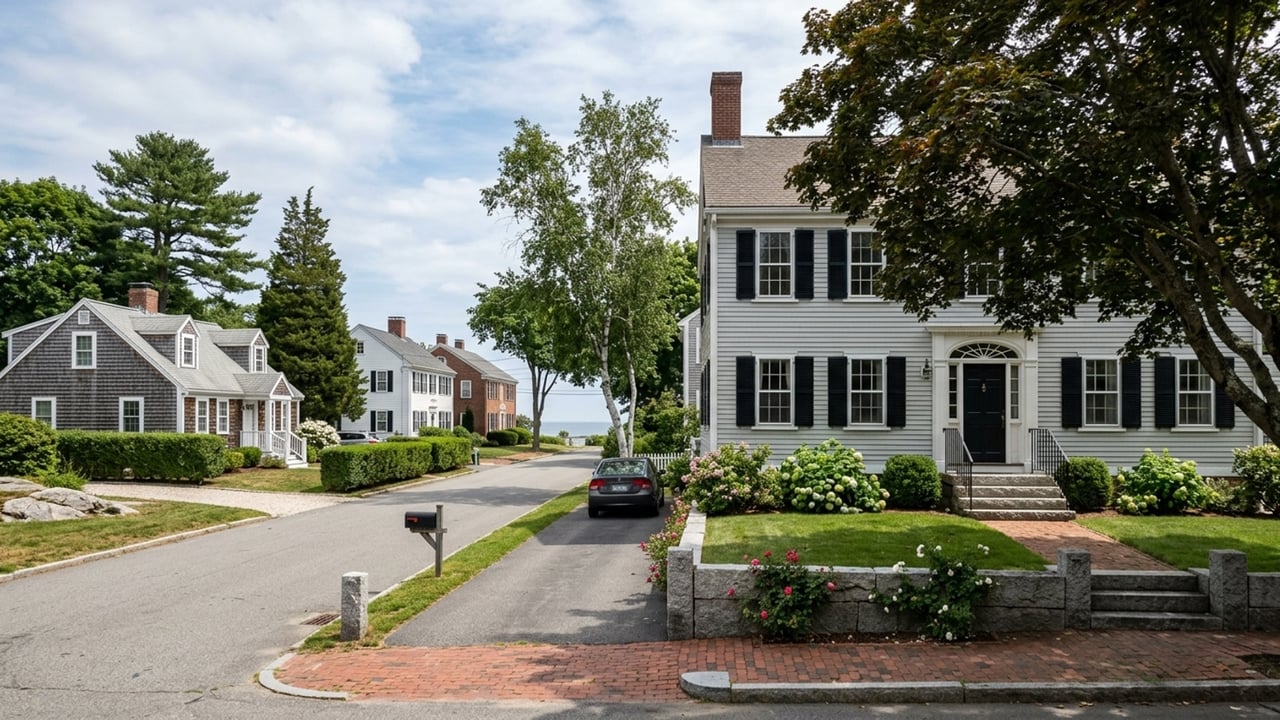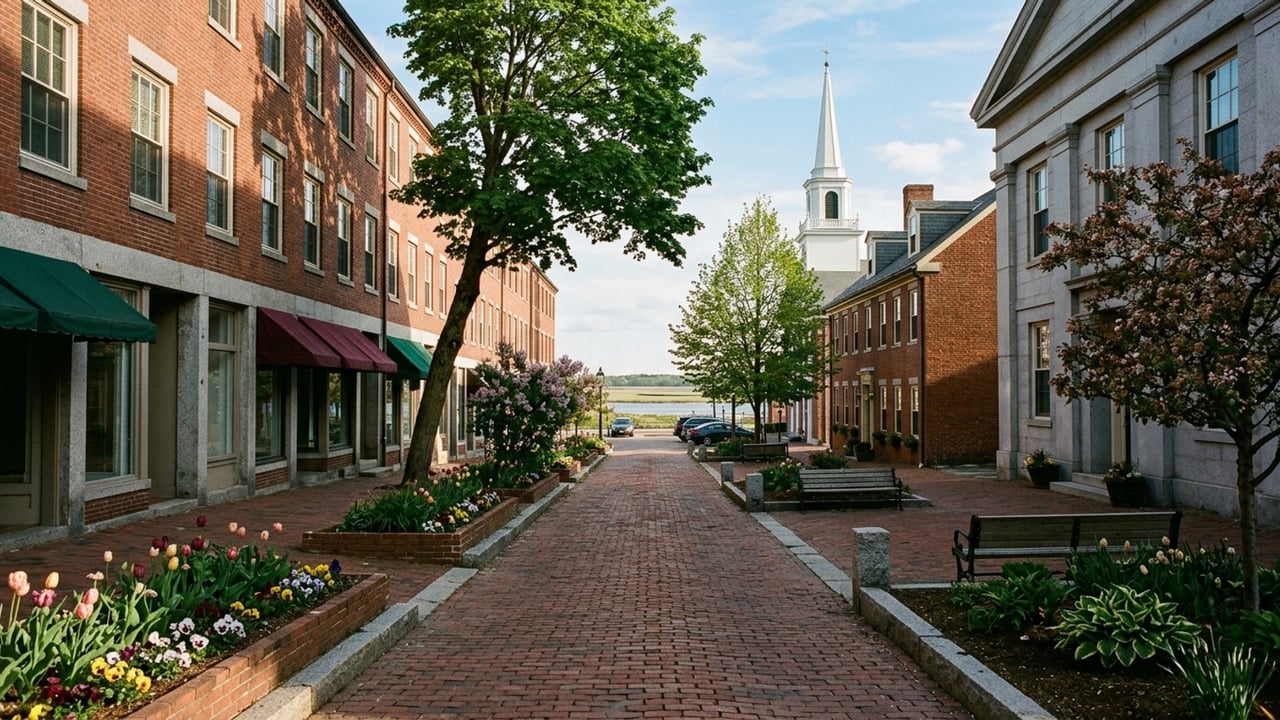
Newburyport, MA is a coastal city built on Federal-period brick and maritime ambition - and that history isn't just decorative. It shapes the street grid, the architecture, and the way buyers think about neighborhoods here. Recent market data puts median sale prices around $936,000, and homes are moving fast, typically spending just 23 days on the market before going under contract. If you are weighing the pros and cons of living in Newburyport, understanding what made this place takes some of the mystery out of why it commands those numbers.
The city's past is visible on nearly every street. From its origins as a shipbuilding hub to its current status as a coastal destination, Newburyport has been building on itself - literally - for nearly four centuries. Many of the homes you'll tour were standing when the republic was still new.
The Early Days and Founding of Newburyport
The area was first settled in 1635 as part of a larger community called Newberry Plantation. Reverend Thomas Parker led a group of English colonists from Wiltshire who established that initial settlement. Over the following generations, the people living and working along the water developed economic interests that didn't have much in common with the inland farming community they were technically part of.
That divide eventually pushed the waterside residents to petition the Massachusetts General Court for a formal split. In 1764, the coastal section was officially set off from Newbury and incorporated as the separate town of Newburyport. It grew quickly into a serious maritime and shipbuilding center.
Becoming a City
Newburyport operated as a town for nearly a century before its next major civic milestone. In 1851, the growing community was officially incorporated as a city - a change in government structure that reflected both an expanding population and an expanding industrial base.
That historic street grid and commercial center are still intact. Buyers looking at property downtown will find buildings that have stood since the early days of its cityhood, carrying centuries-old construction into a market that still moves at a modern pace.
Location and County Details
Newburyport sits in Essex County, Massachusetts, at the northeastern corner of the state, where the Merrimack River meets the Atlantic Ocean. That direct water access wasn't incidental to the city's development - it was the whole point.
The city is part of the broader Boston-Cambridge-Newton, MA-NH Metropolitan Statistical Area, a metro region that encompasses roughly 4.9 million people and drives most of the employment and economic activity you'll feel in this market.
Where Newburyport Sits in the Region
It feels like its own world out here, but Newburyport is closely tied to the greater Boston economic engine. Major regional highways and transit options connect Essex County to the rest of the metro, and a real share of buyers here are coming out of the Boston core looking for something different.
That steady demand shows up in the numbers. With roughly 63 homes currently in inventory and about two and a half months of supply, you don't have the luxury of taking your time when the right property appears.
How Newburyport Got Its Name
The name is exactly what it looks like - a direct reference to the parent town the city split from in 1764. The waterside residents simply added "port" to Newbury to signal who they were: the commercial, maritime half of the original settlement.
The root word "Newbury" itself comes from Old English, combining words meaning "new" and "fortified place" or "borough." Those English colonists from Wiltshire carried that name with them when they established Newberry Plantation back in 1635.
The Meaning Behind the Name
Put it together and you get something close to "new fortified port" or "new borough port." That kind of utilitarian naming was standard in 17th- and 18th-century New England, where towns were routinely named for geographic features or founders' hometowns rather than anything aspirational.
The addition of "port" did real work - it established the new town's economic identity from day one. The name hasn't changed since 1764, and the maritime activity along the Merrimack River waterfront that it once described is still part of the city's identity today.
Historic Districts and Local Museums
The Newburyport Historic District covers the historic downtown and is listed on the National Register of Historic Places. It's roughly bounded by High, Marlboro, Water, Merrimac, and Ashland Streets, and it includes both the Market Square Historic District and the High Street corridor - the latter being where you'll find the large Federal-era mansions that define the city's architectural reputation.
If you're drawn to these areas, know that the homes here frequently sell above asking. Recent data shows about 42% of homes in the city selling over list, and properties with original 18th- and 19th-century architectural details don't sit long.
Notable Federal-Era Landmarks
The Cushing House, built around 1808, is a Federal-style mansion designated as a National Historic Landmark. The Newburyport Custom House, designed by architect Robert Mills and constructed in 1835, is another major site.
The Newburyport Superior Courthouse holds the distinction of being the oldest continuously active courthouse in Massachusetts. And the Newburyport Five Cents Savings Bank building, founded in 1854, rounds out the mid-19th-century commercial architecture that gives the downtown its character.
Preserving Local History
Two museums anchor the city's interpretive history. The Custom House Maritime Museum operates out of the 1835 Greek Revival Custom House building, displaying maritime artifacts, ship models, and local art. The Museum of Old Newbury is housed inside the historic Cushing House, with period rooms and extensive exhibits on how early residents lived and worked here.
Both are worth visiting before you make an offer on a property in one of these districts. You'll come away with a clearer sense of what you're buying into.
What Newburyport Is Known For Today
Newburyport claims the title of birthplace of the U.S. Coast Guard - originally known as the Revenue Cutter Service - and that maritime identity runs through the city's self-presentation. The restored downtown centered around Market Square is the other thing people point to first.
Beyond the built environment, the outdoor draw is real. Plum Island, Maudslay State Park, and the Parker River National Wildlife Refuge give residents and visitors extensive beach access and protected natural space year-round.
Seafood and Local Specialties
Fresh local seafood - particularly fried clams and lobster - is what the restaurant scene here is built around. Clam chowder is a specific local staple, and The Grog pub's chowder has been recognized as a signature dish and top seller for decades. That's not a recent marketing claim; it's the kind of thing that gets said because it's been true long enough that people stopped questioning it.
Famous Figures in Local History
William Lloyd Garrison, the prominent abolitionist and publisher, was born here. His impact on the national abolitionist movement in the 19th century is well documented, and his Newburyport origins are part of how the city understands its own story.
Caleb Cushing is the other name you'll hear. A 19th-century diplomat who served as U.S. Attorney General under President Franklin Pierce, Cushing's family legacy is preserved in the Cushing House museum that carries their name.
Frequently Asked Questions
What is Newburyport, MA known for?
Newburyport is known for its historic seaport heritage, Federal-period architecture, and its claim as the birthplace of the U.S. Coast Guard. The city is also recognized for outdoor attractions like Plum Island and Maudslay State Park.
What county is Newburyport, MA in?
Newburyport is located in Essex County, Massachusetts, in the northeastern part of the state along the Atlantic coast.
How did Newburyport get its name?
When the waterside commercial section of Newbury split off into a separate town in 1764, the residents added "port" to the Old English root word "Newbury" to reflect their maritime identity.
When was Newburyport, MA founded?
The area was initially settled in 1635 as part of Newberry Plantation. Newburyport was incorporated as a separate town in 1764 and became a city in 1851.
Are there restrictions on renovating homes in Newburyport's historic districts?
It depends on the property's location. Homes within the Newburyport Historic District - listed on the National Register of Historic Places and including areas like the High Street corridor and Market Square - are part of preserved zones with their own guidelines. Consult local guidelines before planning any alterations to Federal-era structures.
What are the most famous historic landmarks and museums in Newburyport?
Notable landmarks include the 1808 Cushing House, the 1835 Custom House, and the Newburyport Superior Courthouse. The city's main museums are the Custom House Maritime Museum and the Museum of Old Newbury.
Are there any famous people from Newburyport?
William Lloyd Garrison, the abolitionist and publisher, was born here. Caleb Cushing - 19th-century diplomat and former U.S. Attorney General under President Franklin Pierce - is the city's other well-known historical figure.
What are some common activities for residents in the area?
The city provides extensive beach access at Plum Island and protected natural space at Maudslay State Park. Beyond the outdoor draw, dining on fresh local seafood and visiting the restored downtown are popular things to do in Newburyport.
How do buyers choose the right area of the city?
The historic street grid and Federal-period architecture influence how buyers evaluate different parts of the city. Because properties often go under contract in just a few weeks, buyers should research local schools and neighborhoods in Newburyport, MA before making an offer.