Buyers looking at Essex County often weigh the pros and cons of living in Newburyport, MA against Salem. Both cities sit along the Massachusetts coast and feature distinct historic architecture, but the daily experience of living in one versus the other is pretty different - and so are the housing markets.
Newburyport sits on the Merrimack River. Salem is further south on Massachusetts Bay. The choice between them usually comes down to three things: budget, commute tolerance, and what kind of property you're hoping to find.
Overview of Two Historic Essex County Cities
These two coastal cities share a deep maritime history, but they occupy very different geographical footprints. Salem is closer to the Boston metropolitan area, which matters a lot if you're making that trip every day.
Newburyport sits near the New Hampshire border, offering a different coastal environment along the river. Both have dense, walkable downtowns with centuries of preserved architecture worth taking seriously.
Geographic Footprints
Newburyport is positioned on the Merrimack River in northern Essex County. Salem sits directly on Massachusetts Bay, roughly 15 to 16 miles from Boston.
That geographic gap touches everything from highway access to local weather. Newburyport is approximately 38 miles from Boston - the more distant of the two, by a significant margin.
Architectural Styles
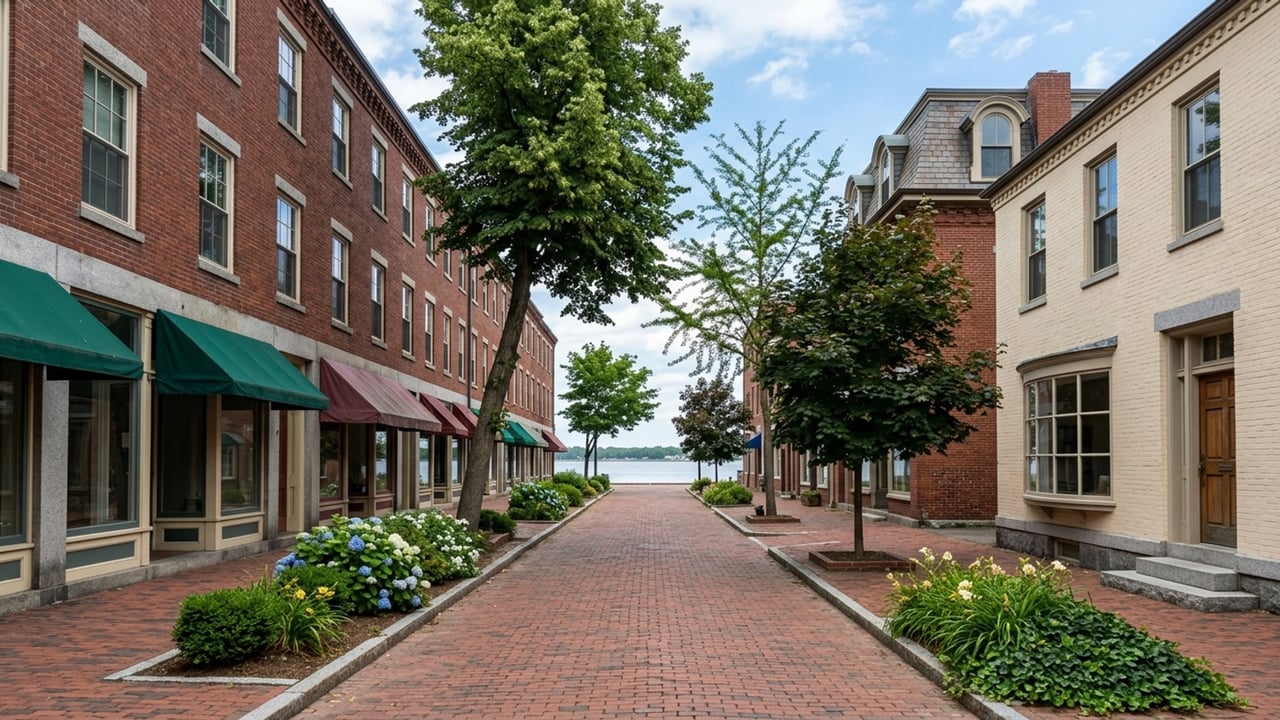
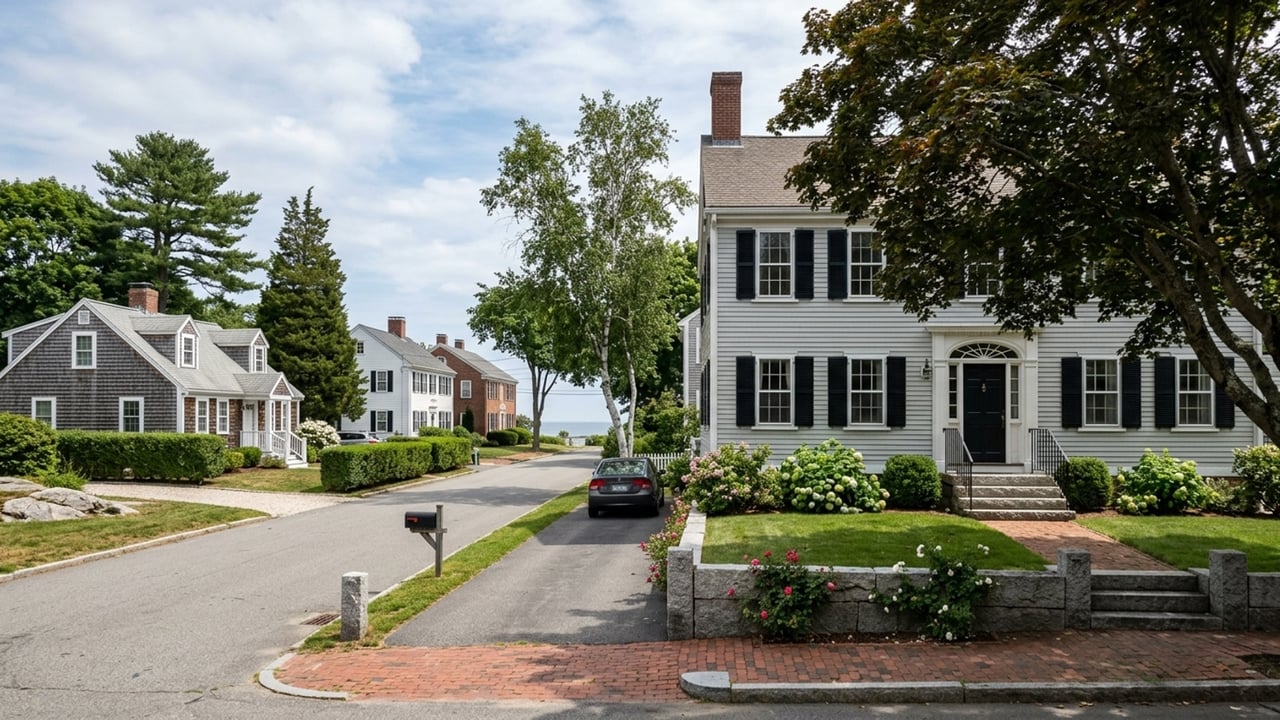
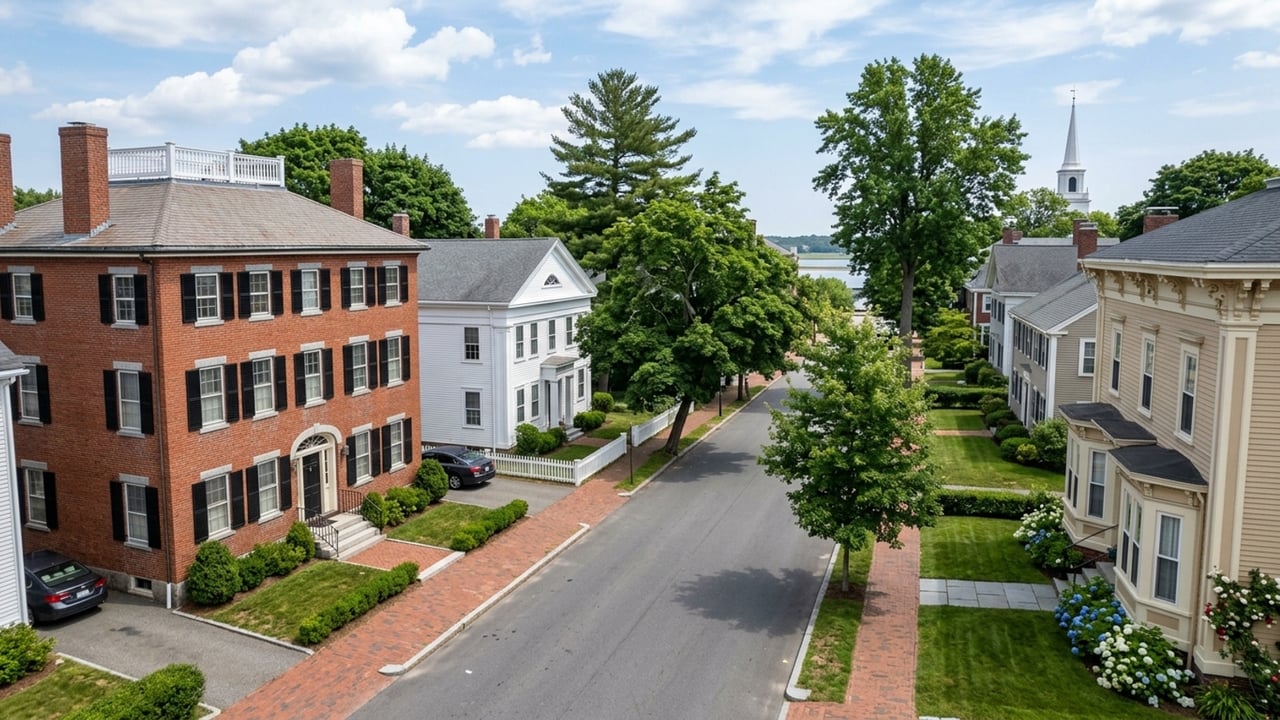
The housing stock in both cities reflects their maritime pasts, but in different ways. Newburyport is known for its Federalist brick buildings, especially around the commercial center. Salem has a high concentration of Colonial and Victorian homes. If you're searching for a specific antique property style, those distinctions matter and should shape where you focus your search.
Real Estate Market Prices and Property Types
The two markets operate at meaningfully different price points. Newburyport currently carries an approximate median sale price of $936,380, with homes averaging 23 days on the market. Salem's median sits lower, in the range of approximately $580,000 to $603,000 - which makes it a lower barrier to entry for buyers working within a tighter budget.
Current Home Prices and Sales Trends
In Newburyport, recent data shows 78 homes sold with about 2.5 months of available supply. Properties there often close slightly above asking, currently averaging 100.67% of the list price. It's a market that rewards buyers who are prepared to move.
Salem's lower median price draws buyers who've been priced out of the northern end of the county. That said, affordable historic homes in Salem tend to attract multiple offers, so you'll want a local agent tracking inventory closely.
Housing Stock and Property Styles
Newburyport is largely single-family homes, many of them historic. The area around Market Square also features renovated brick buildings and attached townhomes.
Salem offers a broader mix - single-family homes, multi-family properties, and modern condominiums. If a condo is what you're after, you'll generally find more options in Salem than in Newburyport.
Property Tax Rates
Property taxes affect your monthly carrying costs more than buyers sometimes account for upfront. For fiscal year 2026, Newburyport's residential property tax rate is set at $9.26 to $9.28 per $1,000 of assessed value. Salem's residential rate varies, and you should check directly with the local assessor's office for current figures. Run those numbers before you finalize what you can afford each month.
Commuting Routes and Transit Options
Commuting distances separate these two cities considerably. Both offer highway access and MBTA connections to greater Boston, but the time commitment is not remotely similar.
Salem's proximity to the city is a genuine advantage for daily commuters. Newburyport requires more tolerance for the road.
Highway Access and Driving to Boston
Driving from Newburyport to Boston covers about 38 miles via I-95 and Route 1 - roughly 47 to 50 minutes under normal traffic. From Salem, commuters use Route 114 to connect to Route 128 for a trip of about 15 to 16 miles, which takes roughly 24 to 33 minutes. That's approximately half the distance and half the drive time.
Taking the MBTA Commuter Rail
Both cities are served by the MBTA Commuter Rail's Newburyport/Rockport Line, which runs directly into Boston's North Station. If you prefer a train over sitting on I-95, that's a real option from either location. I'd suggest doing the actual commute from both stations before you decide - rush hour tells you more than any estimate.
Downtown Amenities and Outdoor Access
Daily life in both cities centers on the downtown district and the waterfront. Each maintains an active commercial core with local dining and retail, and the coastal geography puts beaches, parks, and historical sites within reach for residents.
If you're seriously comparing the two, spend a weekday morning and a Saturday in each downtown. You'll know pretty quickly which one fits how you live.
Market Square and the Newburyport Waterfront
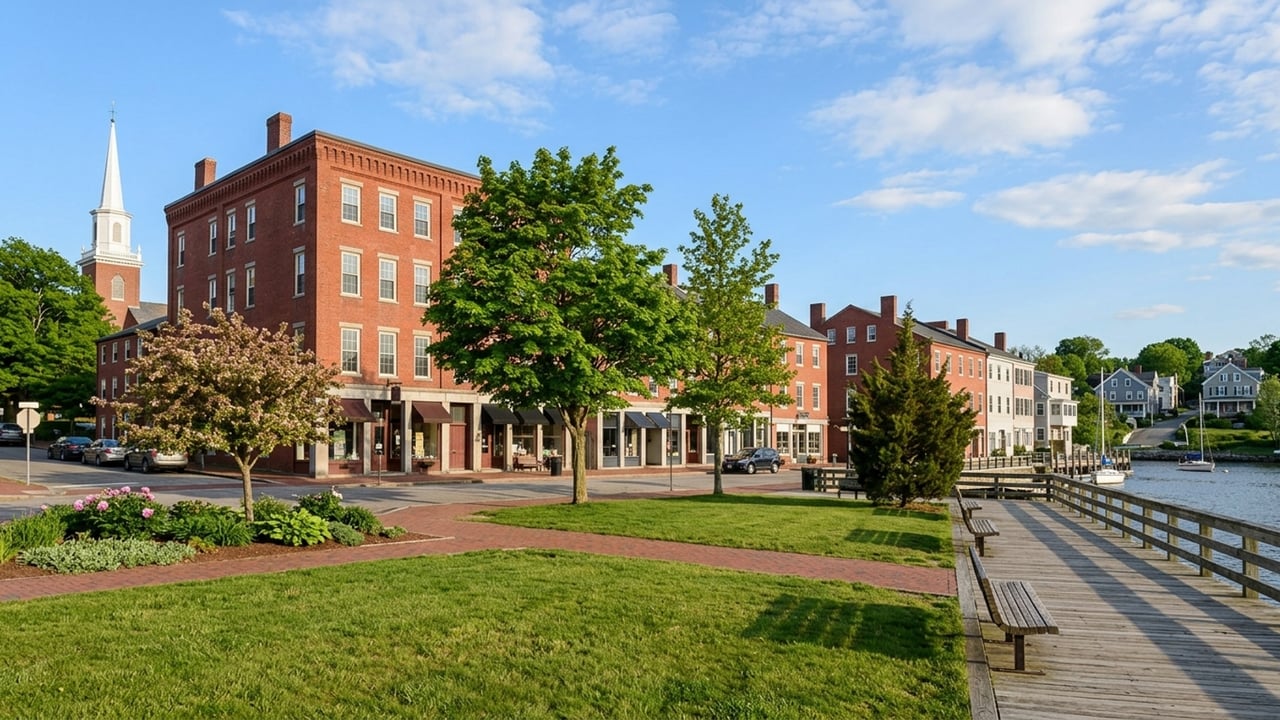
Newburyport's downtown anchors around Market Square and the adjacent Waterfront Park. Restored brick buildings line the area, housing local shops and restaurants, and the Custom House Maritime Museum sits right near the water. Residents have direct access to the Merrimack River for boating and outdoor recreation.
Essex Street and Salem Cultural Sites
Salem's commercial center runs along the Essex Street Pedestrian Mall - a walkable corridor of retail, dining, and historical sites. The Peabody Essex Museum is right in the middle of it all. The layout is compact enough that you can handle most errands on foot without much thought.
Local Beaches and Parks
Newburyport has direct access to the beaches on Plum Island, a barrier island used for swimming, fishing, and wildlife observation. Salem residents tend to use Salem Willows and Winter Island - coastal parks with waterfront views, walking paths, and access to Massachusetts Bay.
Frequently Asked Questions
What is the difference in home prices between Newburyport, MA and Salem?
Newburyport is more expensive. The median home sale price there is currently around $936,380. Salem's median falls in the range of approximately $580,000 to $603,000.
How do commute times to Boston compare between Newburyport, MA and Salem?
Salem is the shorter commute. Driving from Salem to Boston takes about 24 to 33 minutes for the 15-mile trip. Driving from Newburyport covers 38 miles and takes roughly 47 to 50 minutes.
What types of homes are available in Newburyport, MA vs Salem?
Both cities have historic properties, but the styles differ. Newburyport is known for Federalist brick buildings and single-family homes. Salem offers Colonial and Victorian homes alongside modern condominiums and multi-family properties.
Are property taxes generally higher in Newburyport, MA or Salem?
It depends on the assessed value of the specific property and each city's current rate. Newburyport's fiscal year 2026 residential property tax rate is $9.26 to $9.28 per $1,000 of assessed value. For Salem's current rate, check directly with the local assessor's office before drawing any comparison.
Is Newburyport, MA or Salem better for a walkable downtown lifestyle?
Both have genuinely walkable downtowns. Newburyport offers Market Square and Waterfront Park along the Merrimack River. Salem provides the Essex Street Pedestrian Mall and easy access to the Peabody Essex Museum. Walk both before you decide.
What recreational activities are available for residents in Newburyport?
The coastal geography provides residents with direct access to the Merrimack River for boating and Plum Island for swimming and fishing. Beyond outdoor recreation, popular things to do in Newburyport include visiting the Custom House Maritime Museum and browsing the shops around Market Square.
What types of residential areas are available for buyers in Newburyport?
The city consists largely of historic single-family homes spread across various residential areas. When evaluating these locations, parents usually review the local schools and neighborhoods in Newburyport, MA to find the right fit for their family. Attached townhomes near Market Square offer another option for those who prefer living right near the commercial center.