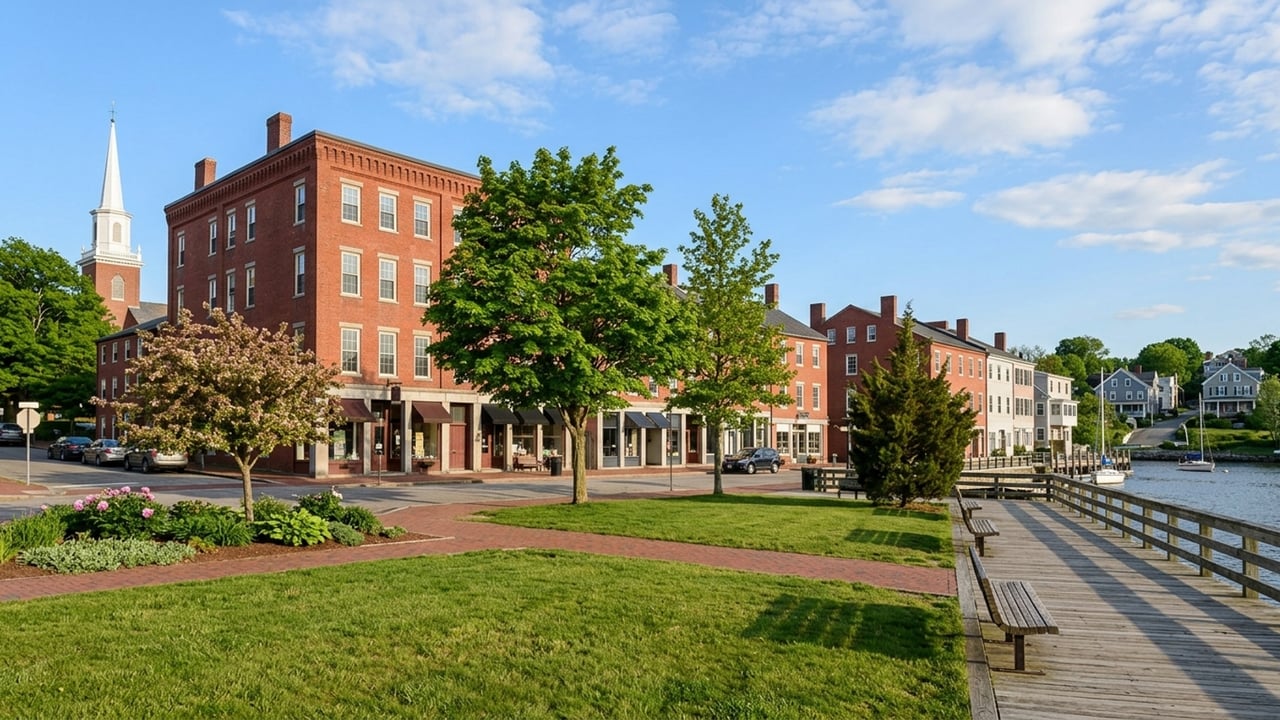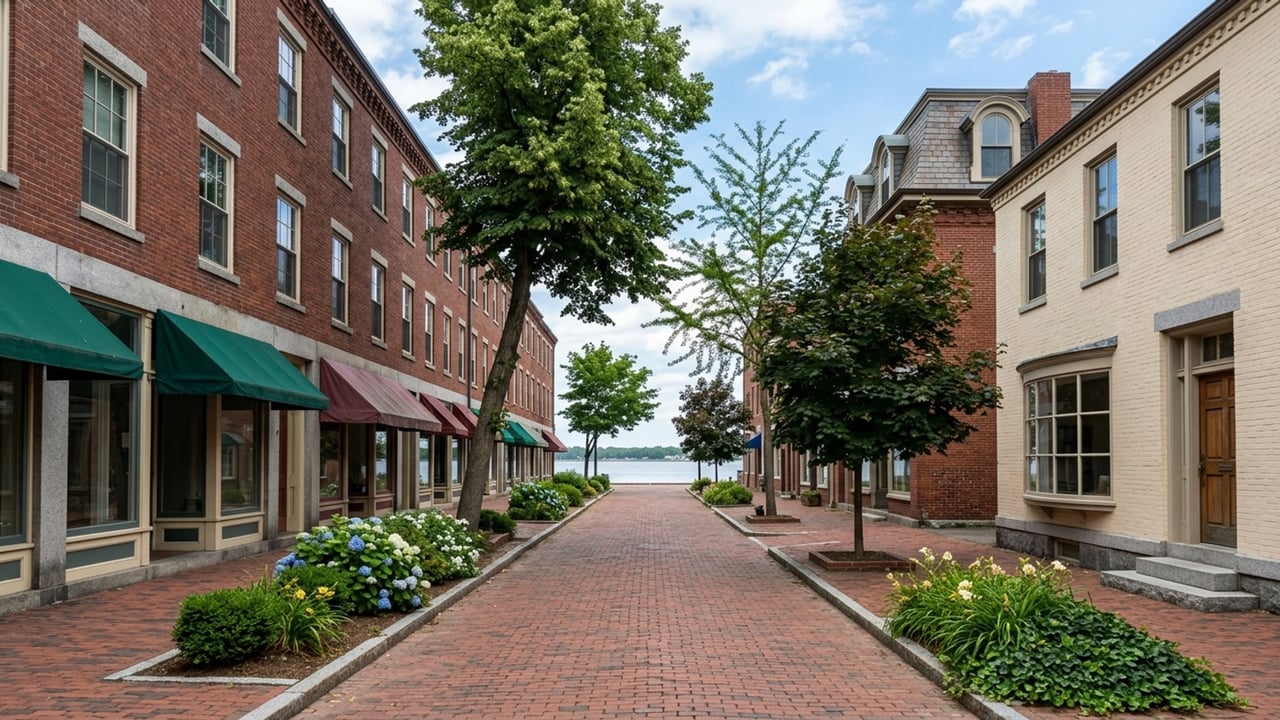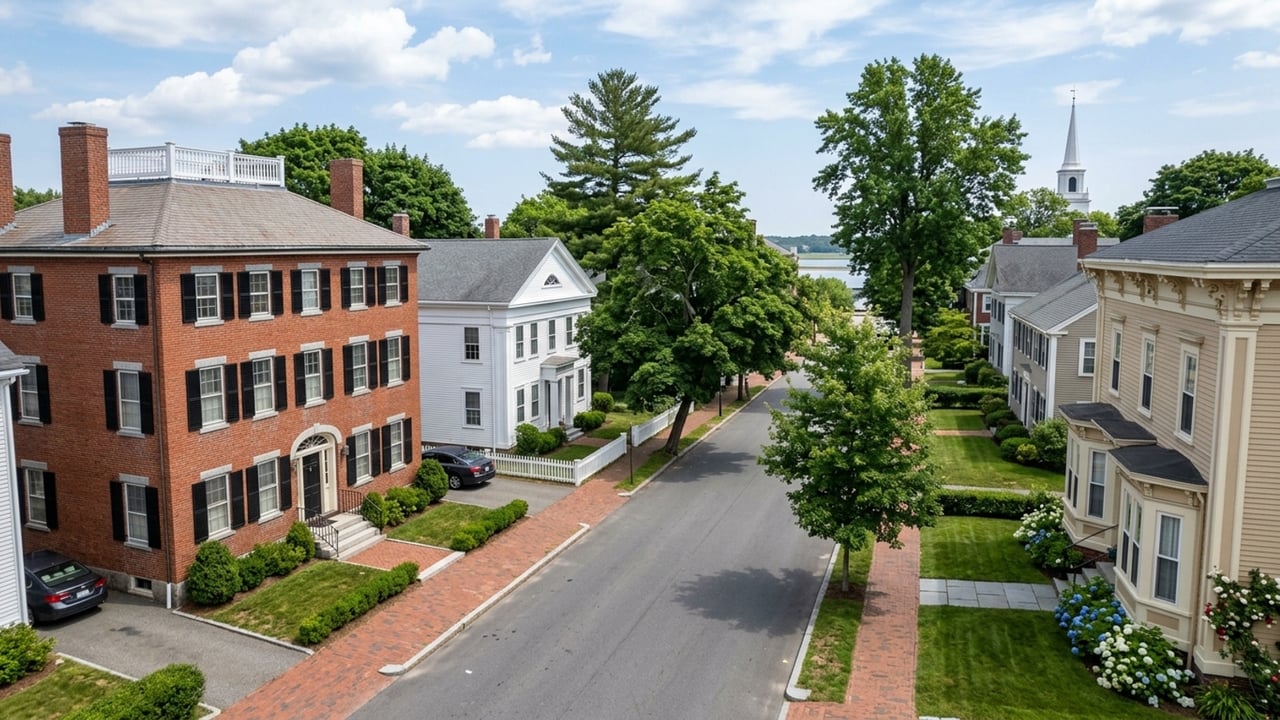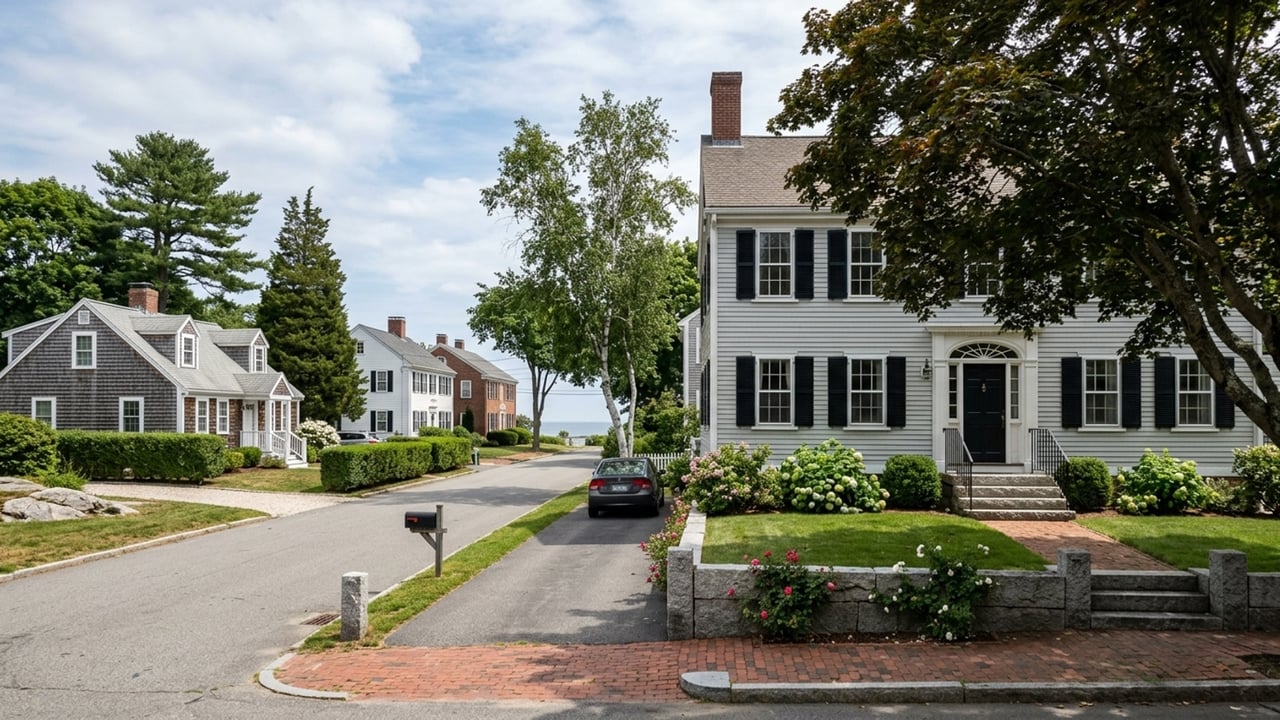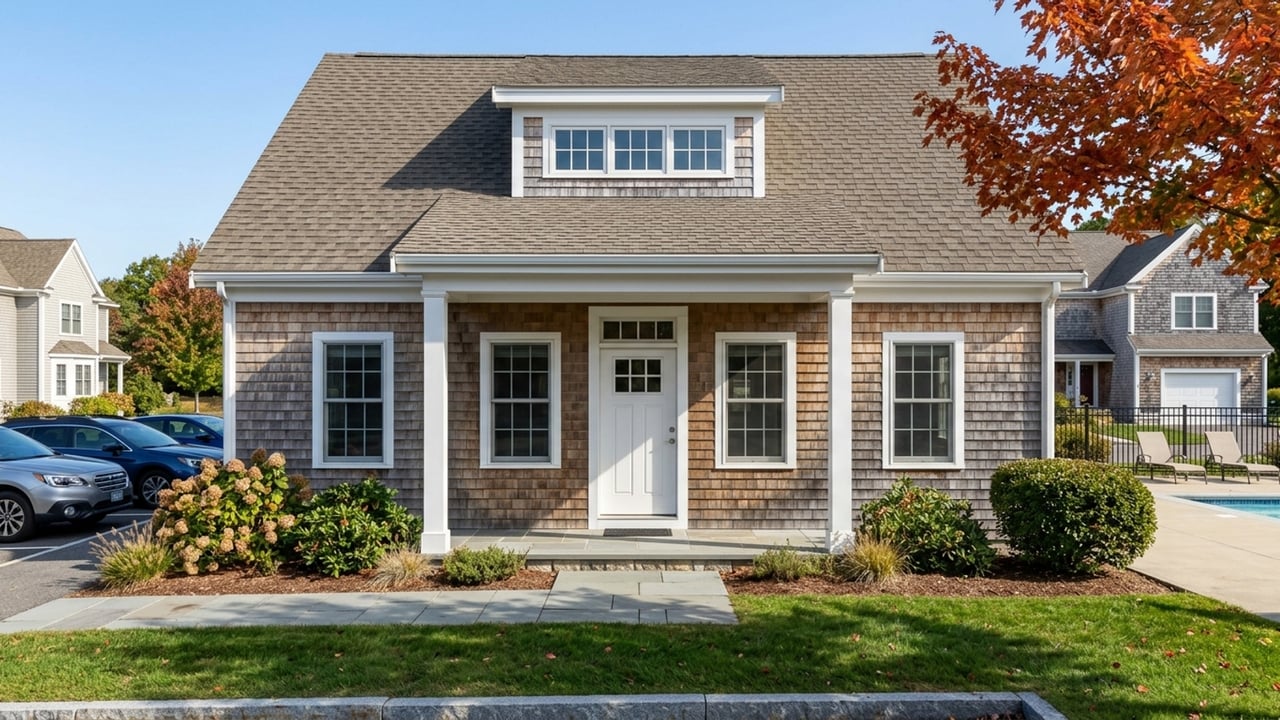
The median home sale price in Newburyport, MA recently hit $936,380. For older adults weighing the pros and cons of living in Newburyport and looking to downsize or move into a more supportive environment, the local market offers several distinct paths - independent apartments, active-adult condos, and full-service medical care facilities all exist within a relatively compact area.
The market is moving fast. There are roughly 63 homes available right now, and they're selling in an average of 23 days. If you're planning to sell your current home and roll those proceeds into a senior community, you'll want to start that process earlier than feels necessary. Familiarity with how the different tiers of senior housing are structured - and what they cost - makes that transition considerably less stressful.
Overview of Senior Housing in Newburyport
The local landscape includes about 10 dedicated 55+ active-adult communities in the immediate area. Expand that search to include assisted living and rehabilitation centers and you're looking at somewhere between 20 and 25 locations, depending on how any given directory draws the line between independent living and medical care.
If you specifically want a rental-only independent 55+ apartment building, the options get much narrower. Two primary buildings of that type exist in the city: Heritage House and James Steam Mill. That limited supply means waitlists are real - if renting an independent apartment is your preference over buying a condo or entering a continuing care facility, get your name in early.
The 80/20 Age Requirement
Most active-adult neighborhoods operate under the Housing for Older Persons Act (HOPA). Federal law requires that at least 80 percent of the occupied units have at least one resident who is 55 or older. The remaining 20 percent can technically house younger residents, though individual homeowner associations frequently set stricter minimums across every unit in the community.
Read the specific bylaws of any association before you sign anything. Some communities prohibit anyone under 18 from living there full-time. Others permit adult children over 18 to reside with a 55+ parent. These aren't suggestions - they're enforced by property management.
Independent vs. Assisted Care Options
Independent living is about lifestyle, not medical support. Residents handle their own healthcare and daily routines; the community handles exterior maintenance and shared amenities. These neighborhoods look and function much like standard residential subdivisions or apartment complexes, just with age restrictions attached.
Assisted living is a different animal entirely. Staff are on-site around the clock, meals are provided, and help with medication management and personal care is built into the model. These facilities are state-licensed. Moving between the two levels of care almost always means moving to a different property - unless you've chosen a continuing care campus that keeps multiple care levels under one roof.
Types of 55+ and Senior Living Facilities
Senior housing in Essex County runs the full spectrum from active-adult ownership communities to full medical care. Active-adult options generally mean single-family homes, townhouses, or condominiums where you own the property and pay monthly association dues - the trade-off being social programming and exterior upkeep in exchange for those fees. Healthcare services aren't part of the deal.
Continuing care retirement communities and assisted living facilities work on a completely different financial model. You're typically looking at a substantial upfront entrance fee or a high monthly rent that bundles housing, meals, and varying levels of medical care. The first real question to answer isn't which neighborhood you like best - it's which model fits your current and anticipated health needs.
Active-Adult and Independent Living
Active-adult properties are built for people who want full independence but are done with yard work and exterior repairs. Floor plans tend to be single-level, with wider doorways and step-free entryways that make aging in place practical rather than aspirational.
Independent senior apartments serve the same population but on the rental side. Buildings like James Steam Mill offer private units with shared common spaces - you get the social infrastructure without the financial commitment of a mortgage or property taxes.
Assisted Living and Memory Care
For residents who need daily assistance, facilities like Atria Merrimack Place offer structured support with professional staff. Located at 85 Storey Avenue, Atria provides both standard assisted living and specialized memory care for residents with Alzheimer's or dementia.
Three meals a day, housekeeping, and transportation to local appointments are typically part of the package. When you sign a lease at one of these facilities, that agreement will spell out exactly which personal care services are included in the base monthly rate and which carry additional fees - pay close attention to that distinction.
Featured 55+ Communities in the Area
Newburyport and its neighboring towns have several distinct communities, and the range is genuinely wide - from high-end luxury condominiums to state-subsidized high-rises in the downtown district. Location drives pricing in a predictable way: properties closer to the waterfront or the North End cost more.
The fee structure and atmosphere at a luxury independent apartment building look nothing like those at an income-restricted senior housing tower. It's worth understanding what you're comparing before you start touring.
Upscale and Luxury Options
The Residences at Highland Glen offers high-end 55+ apartment homes directly in Newburyport, with premium finishes and an independent living focus for older adults who want modern amenities without the responsibilities of homeownership.
Just outside the city limits in neighboring Newbury, MA, you'll find Caldwell Farm and Colby Village - both marketed as upscale active-adult communities a few minutes from downtown Newburyport. These developments typically feature spacious attached or detached homes with high-end interior upgrades and manicured grounds.
Subsidized and Income-Restricted Housing
For seniors on a fixed budget, the city has several HUD-subsidized and income-restricted options worth knowing about. Heritage House at 32 Low Street and James Steam Mill at 1 Charles Street offer independent rental units with rent calculated based on the resident's income.
The Sullivan Building at 25 Temple Street is an 8-story, 100-unit high-rise designated specifically for elderly and disabled households. It sits in downtown Newburyport, which puts residents within easy reach of city services and transit.
Expected Costs for Newburyport Senior Living
The base rent or purchase price is only part of the number you need to plan around. For independent living, the average cost for a standard senior apartment in Newburyport runs about $2,702 per month, with a typical range of $2,328 to $4,288. Those figures generally don't include medical care or meals.
Once you move into facilities that provide dedicated care and specialized services, the costs step up considerably. Atria Merrimack Place, for example, starts around $7,195 to $8,395 per month for studio and one-bedroom units - a rate that includes daily personal care services, dining, and 24-hour staff availability.
Renting vs. Buying in a 55+ Neighborhood
Buying builds equity. It also ties up capital and leaves you responsible for property taxes and interior maintenance. With the median home sale price in Newburyport sitting near $936,000, purchasing a unit typically requires significant proceeds from a previous home sale.
Renting an independent apartment or moving into a continuing care facility trades equity for predictability. You won't get a surprise bill when the HVAC system fails or the roof needs replacing - that's on the property management company.
Does Medicare Cover Assisted Living?
It doesn't. Medicare only covers approved short-term stays in a skilled nursing or rehabilitation center following a qualifying hospital admission. Long-term room and board in an assisted living facility or an independent 55+ community falls outside that coverage.
For long-term care, you're looking at private funds, long-term care insurance, or state programs like MassHealth. MassHealth does have specific waiver programs that can help cover the cost of personal care services inside an assisted living facility - but it still doesn't cover the base cost of room and board. That distinction matters when you're running the numbers.
Retiring in Newburyport: Healthcare and Location Features
Access to medical care is one of the more practical factors driving where older adults choose to settle, and Newburyport's local healthcare infrastructure is solid enough that residents often don't need to travel to Boston for routine treatments or emergency care.
The city's layout also works in your favor if you want to stay mobile without relying entirely on a car. Many neighborhoods have sidewalks and relatively flat terrain, which makes walking to local parks, pharmacies, and grocery stores genuinely feasible.
Proximity to Medical Care
Anna Jaques Hospital is the primary local healthcare facility - located directly in Newburyport and handling emergency services, surgeries, and routine specialist appointments. For older adults who need post-surgical recovery or longer-term nursing care, Country Center for Health & Rehabilitation at 180 Low Street and Brigham Health and Rehabilitation Center at 77 High Street both offer senior-focused skilled nursing and physical therapy.
Neighborhood Accessibility
Living in or near downtown puts you within walking distance of restaurants, shops, and community events along the waterfront. High-density buildings like the Sullivan Building are positioned specifically to take advantage of that central infrastructure.
Properties further out - like those in neighboring Newbury, MA - offer more space and quieter surroundings. The trade-off is a real one: residents in those suburban active-adult communities generally need a car to handle daily errands and medical appointments.
Pros and Cons of Age-Restricted Neighborhoods
Moving into a 55+ community changes daily life in ways that aren't always obvious from a tour. These developments are built specifically for older adults, which creates real advantages around accessibility and socialization. It also means you're living within a structured environment governed by association rules or facility management policies that don't flex much.
Worth sitting with both sides of that before you commit.
Benefits of Downsizing
The most immediate upside is getting out from under exterior maintenance. Snow removal, landscaping, exterior repairs - the association handles it. That frees up time and physical energy that most residents would rather spend elsewhere.
There's also a social dimension that's easy to underestimate. Shared amenities like clubhouses and fitness centers, plus organized social calendars, give new residents a practical way to meet neighbors who are at a similar point in life. That doesn't happen automatically in a traditional neighborhood.
Common Drawbacks to Consider
The most consistent complaint is the lack of generational diversity. Some residents genuinely miss having younger families around. The rules about who can live in the home can also get complicated quickly if an adult child needs to move back in.
Financially, monthly association fees in 55+ communities can be high and tend to increase year over year. In continuing care facilities, the large upfront entrance fees can reduce the assets you'd otherwise pass on to heirs.
Steps for Choosing a Local Community
With Newburyport homes averaging just 23 days on the market, this is not a situation where you want to browse casually and decide when you're ready. Start touring communities well before you plan to move - ideally while you still have time to be selective.
A good tour covers more than the floor plan. Look at the general upkeep of the grounds. Talk to current residents, not just staff. Ask for copies of all binding documents and fee schedules before you leave.
Questions to Ask on a Tour
At an assisted living facility, get a detailed breakdown of the care tiers. You need to know exactly what's included in the base rent of $7,195 to $8,395 and what triggers an increase in your monthly bill. Vague answers to that question are a flag worth taking seriously.
For active-adult purchase communities, ask specifically about the reserve fund and any recent special assessments. A well-funded homeowner association is far less likely to hit residents with sudden, large bills for roof replacements or road paving.
Reviewing Contracts and Rules
Buyers should work through the association's master deed and bylaws carefully. Look for restrictions on pets, exterior modifications, long-term guests, and rules around underage visitors.
If you're signing a residency agreement at a continuing care or assisted living facility, have an attorney review it before you do. These contracts govern the refundability of entrance fees and the conditions under which you might be required to move to a higher level of care - details that are easy to miss and hard to renegotiate later.
Frequently Asked Questions
Is Newburyport, MA a good place to retire?
Many older adults choose the area for its accessible downtown and strong healthcare network. The city has Anna Jaques Hospital for primary medical needs, along with several local skilled nursing facilities including Brigham Health and Rehabilitation Center.
What is the average rent for 55+ apartments in Newburyport?
The average cost for a senior apartment in the city runs roughly $2,702 per month, with rents typically ranging from $2,328 to $4,288 depending on the building and unit size.
What is the 80/20 rule in a 55+ / retirement community?
Under federal law, at least 80 percent of the occupied units in an age-restricted community must have at least one resident who is 55 or older. The remaining 20 percent may be occupied by younger residents, though individual homeowner associations often enforce stricter age minimums for all units.
Is it better to rent or buy in a 55+ community?
It depends on your financial goals and how much flexibility you want. Buying builds equity but comes with property taxes and interior maintenance responsibilities. Renting gives you predictable monthly costs and no exposure to unexpected home repair bills.
What is the downside of a 55+ community?
Strict homeowner association rules and rising monthly fees are the most common complaints. Some residents also find they miss the demographic diversity of a traditional, multi-generational neighborhood.
How long are the waitlists for retirement communities in Newburyport, MA?
Waitlist times vary by property. Because there are only a handful of dedicated independent 55+ rental buildings - Heritage House and James Steam Mill among them - subsidized and rental properties tend to have longer wait times than for-sale communities.
What activities are available for retirees in downtown Newburyport?
The city features an accessible layout where residents can easily walk to local restaurants, shops, and community events along the waterfront. Many older adults choose central buildings specifically to stay close to these things to do in Newburyport, MA.
Can children live in Newburyport 55+ communities?
Most age-restricted homeowner associations strictly prohibit anyone under 18 from residing in the community full-time. Buyers who plan to live with younger family members usually need to look at traditional schools and neighborhoods in Newburyport, MA instead of dedicated senior developments.