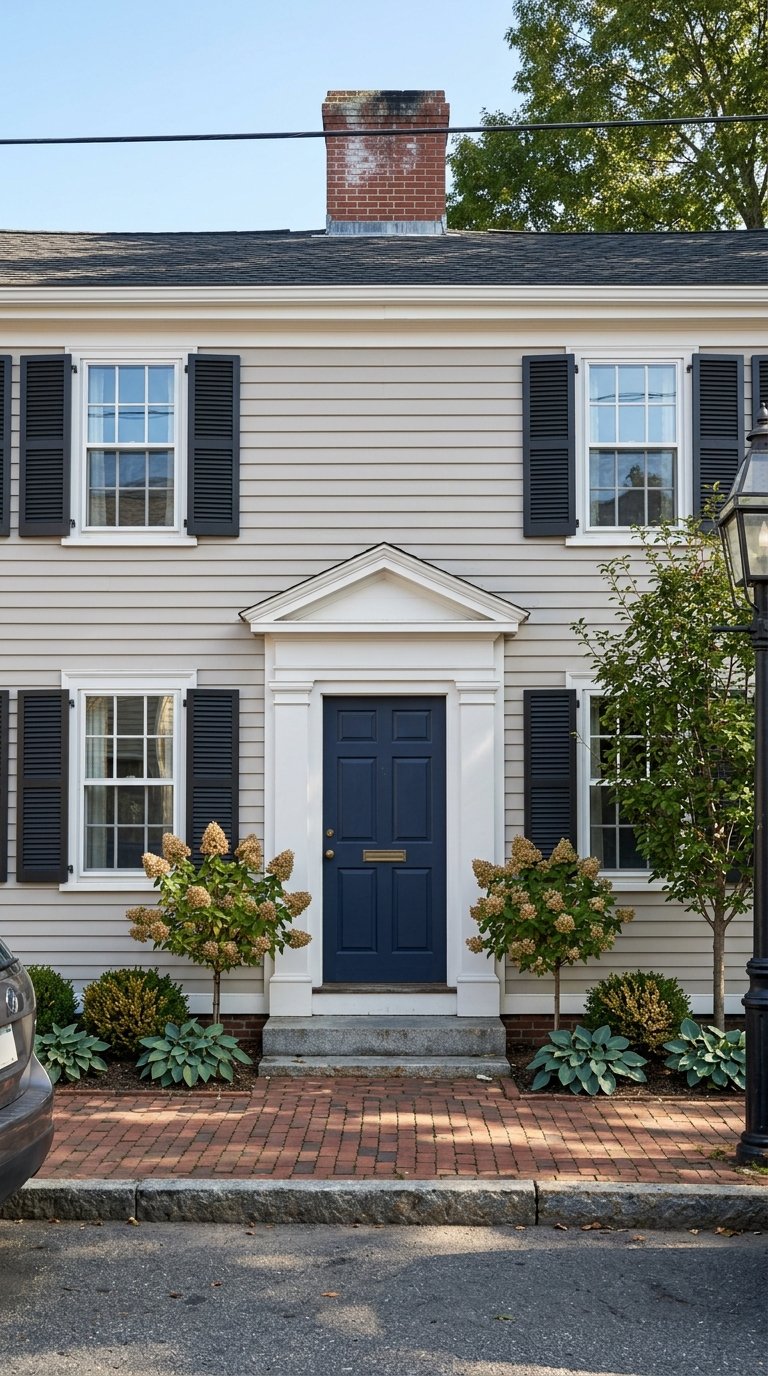
If you picture coastal Massachusetts and immediately think of busy beach towns or dense downtown streets, Newbury may surprise you. Here, the landscape feels quieter and more layered, with working land, protected marsh, and village-scale centers shaping daily life. If you are looking for a place with history, open space, and a more grounded coastal rhythm, Newbury offers a distinct lifestyle. Let’s dive in.
Why Newbury Feels Different
Newbury is a small coastal town with a rural character that stands apart from more built-up nearby communities. The town is bordered by the Atlantic Ocean to the east, Newburyport and West Newbury to the north, Groveland and Georgetown to the west, and Rowley to the south.
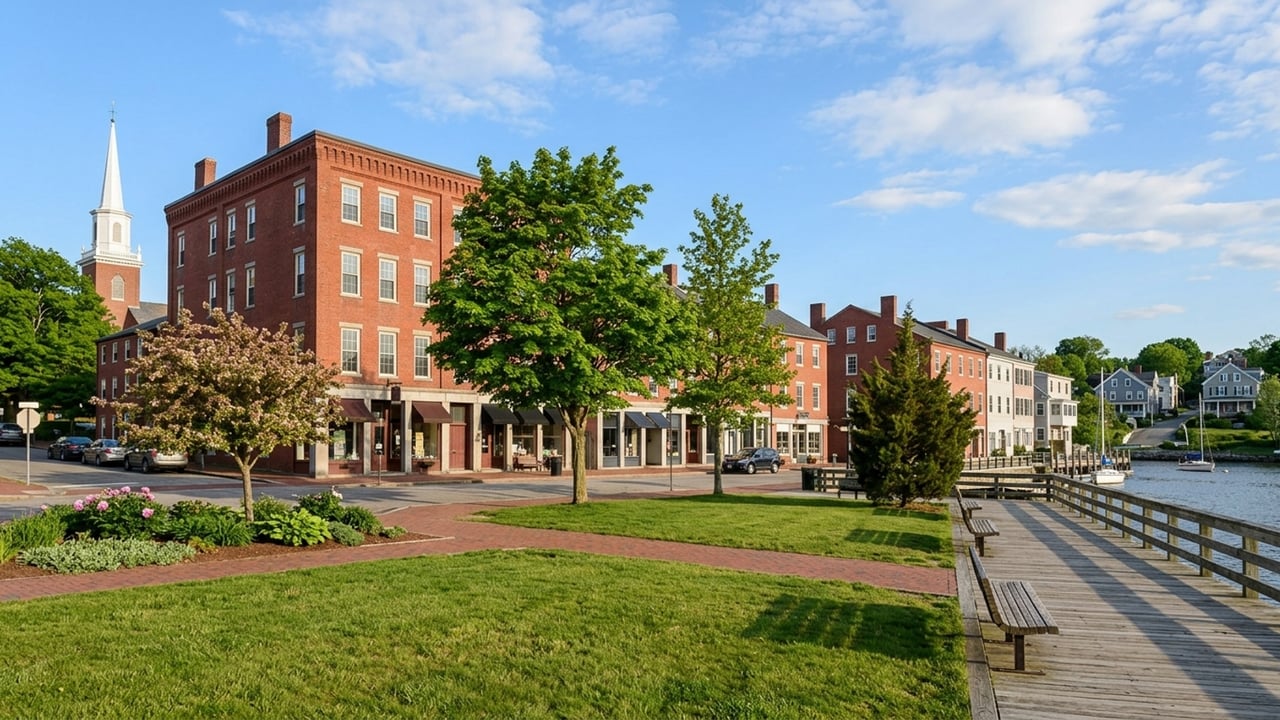
It is also organized around three villages: Old Town, Byfield, and Plum Island. Each village has its own role in town life, with Old Town serving as the location of government offices and schools, Byfield home to the library, and Plum Island tied closely to ocean recreation.
That structure gives Newbury a village feel rather than a suburban one. Instead of one concentrated downtown, you get a town shaped by historic centers, open land, and natural systems.
Old Town Brings Village-Scale Character
If you are drawn to classic New England settlement patterns, Old Town is an important part of Newbury’s identity. Local historic-district materials describe the Lower Green as the original town center and note that the area still reflects the community’s colonial landscape.
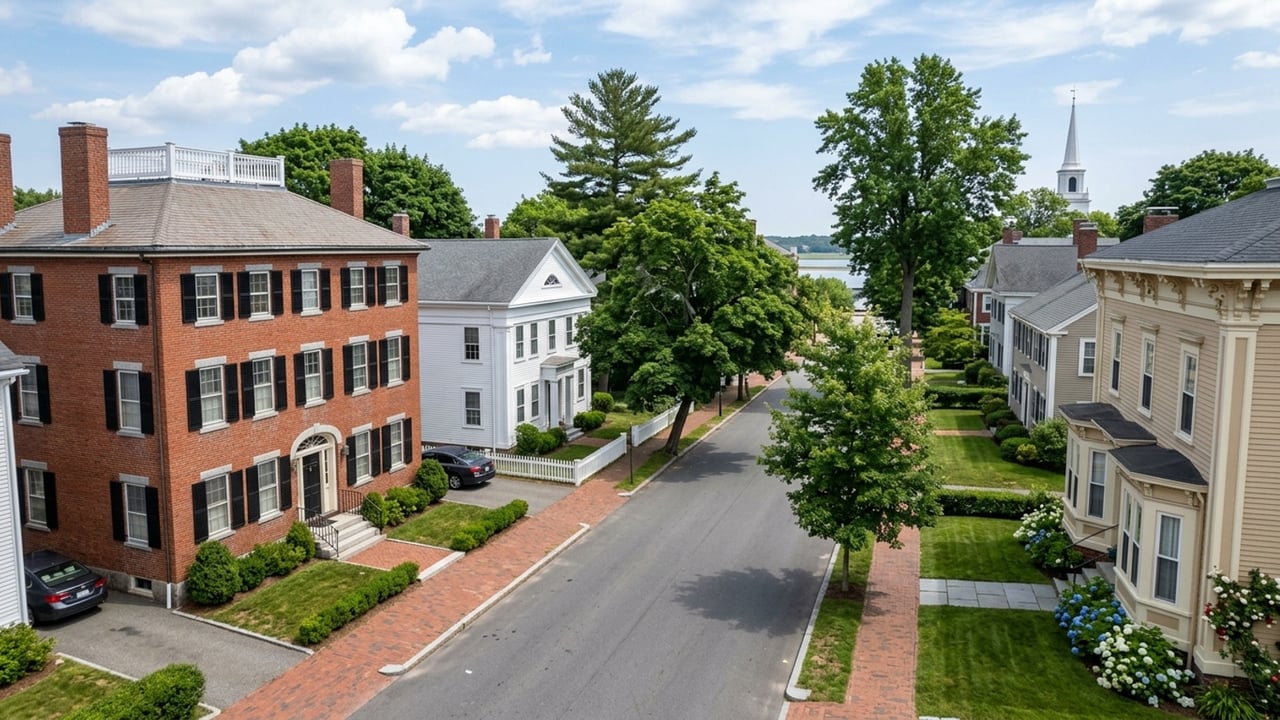
That matters because it helps explain the feel of the town today. Older road patterns, common green spaces, and a strong sense of continuity create an environment that feels rooted and place-specific.
For buyers, this often translates into a lifestyle defined less by constant activity and more by setting. You are not choosing Newbury for an urban pace. You are choosing it for historic character, open views, and a calmer daily rhythm.
Farm Living Still Shapes the Town
Newbury’s agricultural story is still visible, even though town planning materials say only a few active farms remain. Large areas of protected open space, wetlands, marshland, and land with limited infrastructure help preserve that rural atmosphere.
The town’s open-space inventory includes places such as Caldwell Farm Open Space, Common Pasture, Great Meadow Orchard Street, High Road Salt Marsh, Little River Marsh, Plum Island Beach, and the Upper and Lower Greens. Together, these landscapes help define how Newbury looks and feels.
One of the clearest examples is Spencer-Peirce-Little Farm, a 230-acre National Historic Landmark in Newbury. The property includes a 1690 manor house, an attached farmhouse, short trails, year-round farm animals, and outdoor programs that keep the town’s agricultural history visible in everyday life.
This is part of what makes Newbury appealing to lifestyle-driven buyers. You can find a coastal setting here, but it is often framed by fields, trails, and preserved land rather than by continuous development.
Trails Add to the Pastoral Setting
Newbury’s trail network reinforces that countryside feel. The town highlights Caldwell Farm Trail as a roughly one-mile loop around the property and describes it as a way to enjoy the bucolic side of Newbury.
Old Town Hill and Great Meadow Farm add another layer to that experience. Old Town Hill is noted for views of the town and surrounding marsh, which makes it one of the best examples of how Newbury blends farm and coastal scenery in one setting.
For many buyers, this mix is the draw. You are not choosing between inland charm and coastal access. In Newbury, the two often exist side by side.
Marsh Living Defines the Landscape
Marsh is not just a scenic backdrop in Newbury. It is one of the main forces shaping the town’s geography, recreation, and housing patterns.
According to the town’s housing plan, Newbury sits within the Parker River watershed and the Great Marsh. The landscape includes woods, wetlands, agricultural land, and salt marsh that gradually transitions toward the barrier beach of Plum Island.
The scale of that natural setting is significant. Mass.gov states that the Great Marsh ACEC covers 25,500 acres of barrier beach, dunes, salt marsh, and water bodies, and includes more than 10,000 acres of salt marsh, making it the largest salt marsh system north of Long Island.
That regional context helps explain why Newbury feels so open. The marsh is not a small fringe feature. It is one of the defining environmental systems of the area.
Wildlife and Conservation Are Part of Daily Life
Parker River National Wildlife Refuge is central to Plum Island’s natural identity. The refuge supports walking, biking, wildlife observation, photography, fishing, paddling, and beach use, making nature-based recreation a major part of life in this area.
At the same time, conservation protections shape how these spaces are used. Newbury’s open-space information notes that most beach access is closed from April 1 to early August to protect nesting birds.
That means coastal living here comes with seasonal patterns and management rules. For the right buyer, that is part of the appeal. It reflects a place where environmental stewardship is not abstract, but built into daily life.
Coastal Beauty Comes With Practical Considerations
Newbury’s setting is beautiful, but it also asks buyers to pay attention to real-world conditions. The town’s housing plan reports that 7,825 acres of land and salt marsh are within the 100-year floodplain, and that 48 percent of the community lies in the combined 100- and 500-year flood zones.
This is important if you are evaluating homes in marsh-side, river-connected, or coastal areas. Views and access may be exceptional, but due diligence matters.
You will want to understand how location affects long-term ownership considerations, site conditions, and property planning. In a town shaped by water, those details are part of making an informed decision.
Plum Island Is More Than a Beach Setting
Plum Island is often the part of Newbury people recognize first, but its identity goes beyond beach access. It is also connected to refuge land, estuary habitat, and a seasonal recreation pattern shaped by tides, wildlife, and conservation rules.
Newbury’s mooring information notes that the Parker River winds through Byfield and Old Town to Plum Island Sound. The Newbury section of Plum Island Basin can provide access to the Merrimack River, Newburyport Harbor, and the Atlantic when tide and depth conditions allow.
That gives Newbury a relationship to water that is broader than oceanfront living alone. For some buyers, the appeal is not just the beach. It is the larger system of river, marsh, basin, and sound that defines the area.
Byfield and Old Town Offer a Different Pace
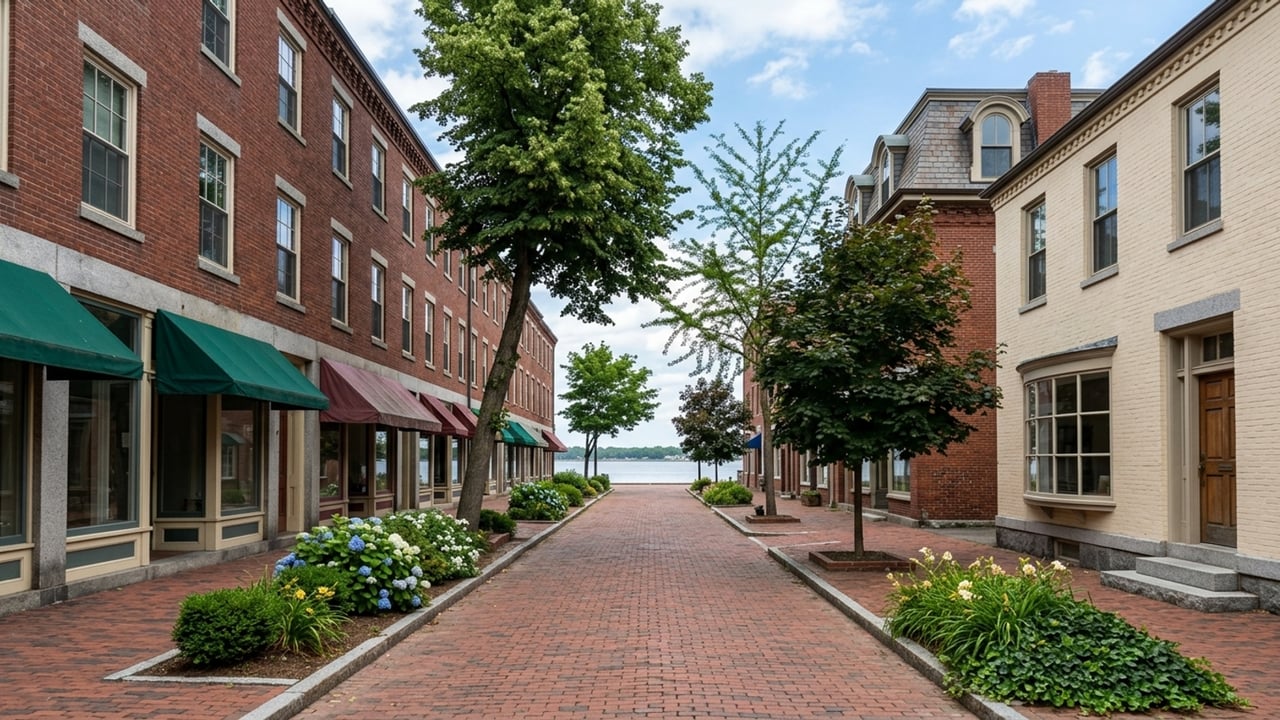
If Plum Island speaks to the coastal side of Newbury, Byfield and Old Town often reflect its quieter inland character. These areas are tied together by roads, open land, and a less commercial pattern of development.
Interstate 95 runs through Byfield, and Route 1 runs through the center of town, linking Newbury to surrounding communities and regional corridors. The town also notes that Route 1 leads toward the Newburyport Commuter Rail Station, and a planned Border to Boston Trail connection would link Byfield to the station and the Newburyport Clipper City Trail.
That means Newbury is connected, but not in a dense-transit way. It generally suits buyers who value regional access by car while still wanting a home base that feels more rural and spacious.
Infrastructure Varies Across Newbury
Part of Newbury’s character comes from the fact that infrastructure is not uniform across town. That can be appealing if you want a more rural setting, but it is also something to understand clearly when comparing properties.
According to the town’s Water Department, Byfield uses the Byfield Water District. Plum Island and parts of Old Town are served by Newburyport water and sewer, while septic systems remain common in other areas.
The housing plan similarly notes that Plum Island and sections of Old Town are served by Newburyport sewer, while much of Byfield relies on on-site septic systems. For buyers, that makes property-level research especially important, because utility arrangements can vary meaningfully by location.
Who Newbury Often Fits Best
Newbury is not trying to be everything to everyone, and that is part of its strength. The town’s housing plan reports that 91 percent of occupied housing units are owner-occupied, supporting the sense that this is a community with a more stable, residential feel.
In practical terms, Newbury may be a strong fit if you want:
- A quieter, nature-centered setting
- Village-scale character instead of dense commercial streets
- Proximity to marsh, trails, and protected open space
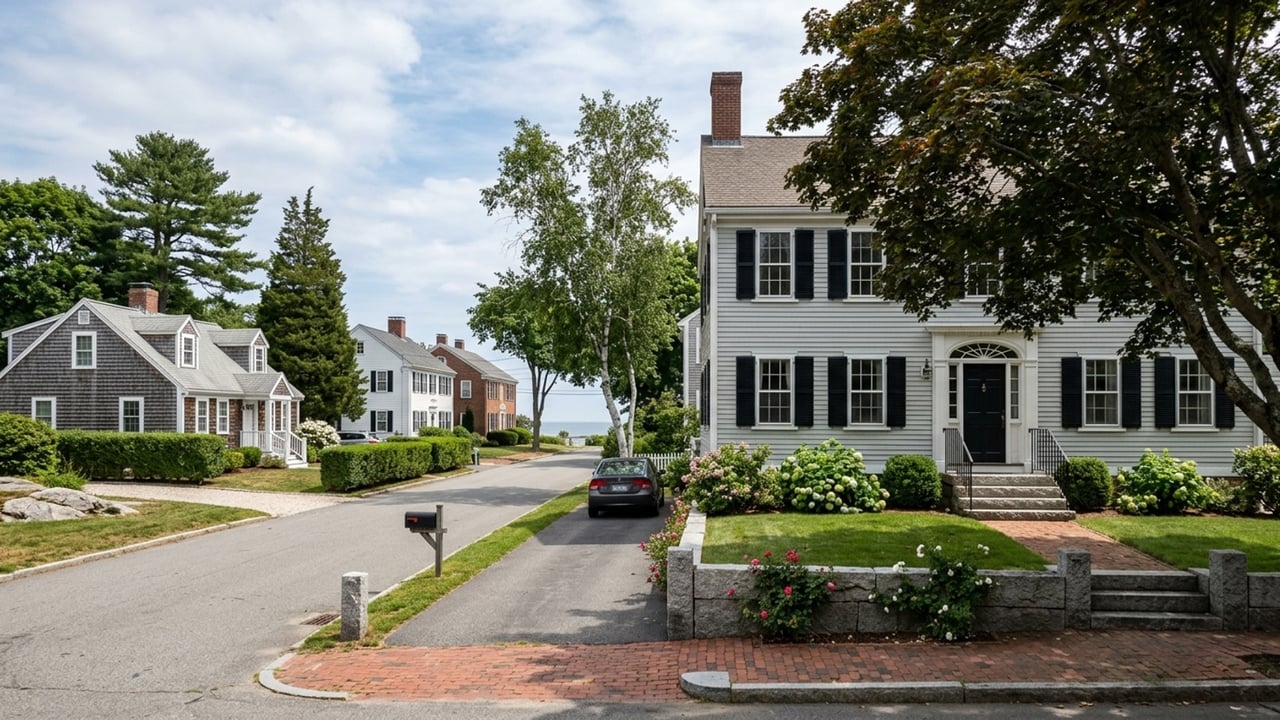
- Historic texture and rural coastal identity
- Access to nearby Newburyport while living in a more understated environment
It may be a less natural fit if you want a highly urbanized town center, fewer environmental constraints, or a fully uniform infrastructure setup. Newbury rewards buyers who appreciate nuance, landscape, and the realities that come with a conservation-shaped coastal town.
What This Means for Buyers and Sellers
For buyers, Newbury offers a lifestyle that is deeply connected to land and water. The right home here is often about more than square footage or finishes. It is about village context, setting, flood-zone awareness, utility structure, and how you want to live day to day.
For sellers, that means thoughtful positioning matters. A Newbury property is often best presented through its setting, whether that is historic character, marsh views, open-space access, or proximity to Plum Island and regional routes.
This is where local context becomes valuable. In a market like Newbury, understanding how a home fits into the town’s farm, marsh, and village story can help shape stronger pricing, cleaner buyer expectations, and more compelling marketing.
If you are considering buying or selling in Newbury, working with a team that understands lifestyle-driven property positioning can make a meaningful difference. The Zaniboni Luxury Group brings local market insight, concierge-level guidance, and polished marketing tailored to distinctive homes across Greater Newburyport and the surrounding coast.
FAQs
What is village living like in Newbury, MA?
- Newbury is organized around three villages, Old Town, Byfield, and Plum Island, each with a distinct role in town life and a more village-scale feel than a typical suburban layout.
What defines farm living in Newbury, MA?
- Farm living in Newbury is shaped by protected open space, a few remaining active farms, landmarks like Spencer-Peirce-Little Farm, and trails such as Caldwell Farm Trail that reinforce the town’s rural atmosphere.
What should buyers know about marsh living in Newbury, MA?
- Buyers should know that marsh living is central to Newbury’s setting, with large areas of salt marsh and wetlands influencing views, recreation, flood-zone conditions, and long-term property considerations.
How does Plum Island fit into life in Newbury, MA?
- Plum Island is Newbury’s center for ocean recreation, but it is also closely tied to refuge land, estuary access, wildlife protections, and seasonal rules that shape how the area is enjoyed.
What should homebuyers understand about utilities in Newbury, MA?
- Utility service can vary by location, with Byfield using the Byfield Water District, Plum Island and some parts of Old Town served by Newburyport water and sewer, and many other properties relying on septic systems.
Is Newbury, MA a good fit for buyers seeking a quiet coastal lifestyle?
- Newbury may appeal to buyers who want a quieter, nature-centered coastal setting with historic character, open land, and access to nearby Newburyport without living in a denser commercial environment.