If you are drawn to Newbury, one question shapes almost everything else: which village fits the way you actually want to live? This town is not one single center. It is a place of three distinct bases, each with a different rhythm, different access points, and a different day-to-day feel. If you are deciding between Newbury Village, Byfield, and Plum Island, this guide will help you compare lifestyle, convenience, recreation, and practical tradeoffs so you can focus your search with confidence. Let’s dive in.
How Newbury Is Set Up
Newbury is organized around three villages: Old Town, Byfield, and Plum Island. According to the town and the 2023 master plan, these areas are separated by wetlands and protected open space, which helps explain why each one feels distinct rather than like one continuous neighborhood.
That structure matters when you are buying a home. Government and schools are in Old Town, the library is in Byfield, and ocean recreation is on Plum Island. The master plan also notes that nearby Newburyport has historically served as the area’s economic center or downtown, so many buyers think about Newbury not just by village character, but also by how easily each location connects to everyday needs beyond town lines.
Old Town For Village Character
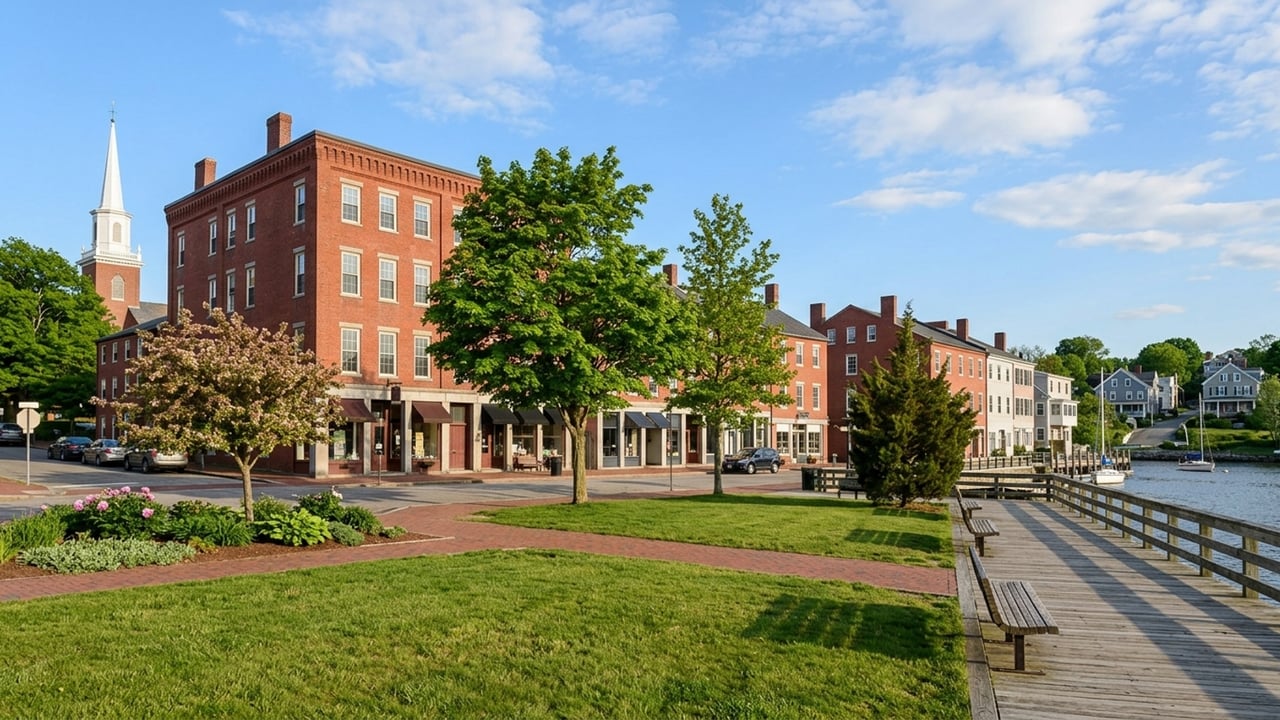
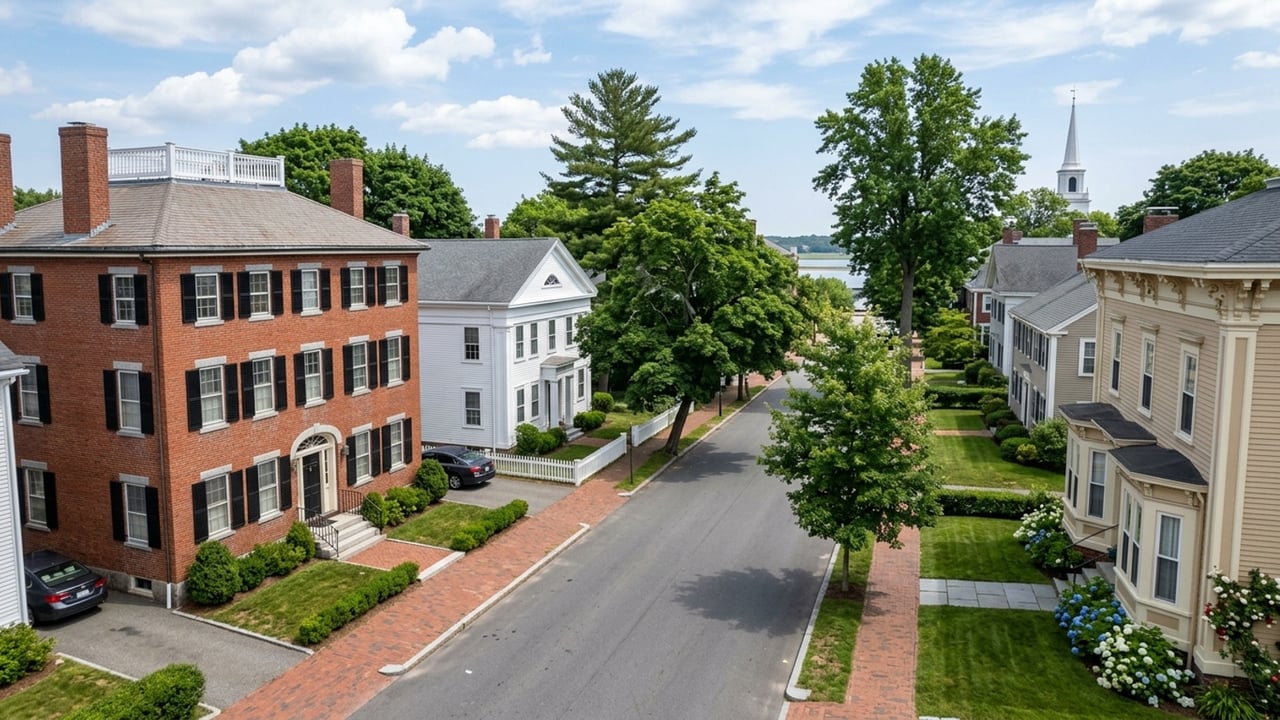
Old Town, also described as the Upper and Lower Greens area, sits along Route 1A on the eastern side of town. The master plan describes it as a classic historic New England village, with the Upper Green framed by historic homes, municipal buildings, and a small number of businesses.
The Lower Green, closer to the Parker River, is primarily made up of historic structures. Along this same corridor, you also find Newbury’s earliest settlement area and a small commercial node with marine-related uses and specialty retail. For buyers who want a setting that feels rooted in local history, this is the most village-oriented part of town.
Why Old Town Appeals to Buyers
Route 1A creates a direct connection between Newburyport, Old Town, and Ipswich. The master plan notes that this road carries lower speeds than Route 1, which contributes to a slower-moving, more traditional village feel.
That can be especially appealing if you want your home search to prioritize character over highway adjacency. Old Town tends to suit buyers who value a historic setting, scenic local roads, and a base that feels connected to civic life in town.
What Daily Life Can Feel Like in Old Town
Old Town is a good fit if you picture a more classic village backdrop for daily errands and routines. Municipal functions are centered here, and the setting is shaped by historic buildings, greens, and the Route 1A corridor.
For many buyers, the appeal is less about having a large commercial center in the village itself and more about living in a place with strong visual identity and a distinctly New England sense of place. If that is your priority, Old Town usually stands out quickly.
Byfield For Convenience And Access
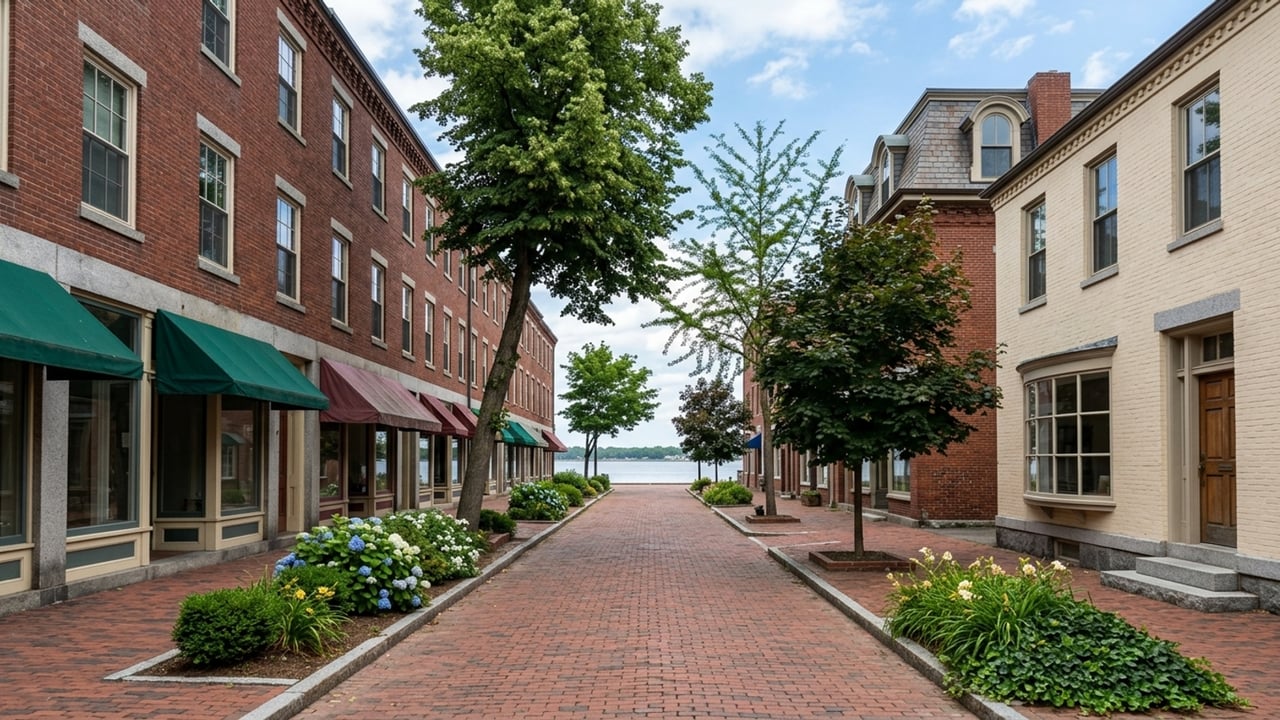
Byfield Village is centered around Central Street and Main Street in the southwest corner of Newbury. The master plan describes it as a relatively dense cluster of residences, small service-oriented businesses, and municipal facilities.
It is also one of the most practical locations in town for day-to-day access. Newbury Municipal Offices are located in Byfield, and the Council on Aging, library, and fire department all have Byfield addresses. If you want a base that feels connected to services and major routes, Byfield deserves a close look.
Why Byfield Works For Practical Living
The town’s library directions highlight access from I-95 Exit 55 and Route 1 through Central Street and Lunt Street. The master plan also identifies the I-95 and Central Street area as a commercial highway node.
In plain terms, that makes Byfield the strongest choice for buyers who want easier highway access and a more service-oriented location. If your week includes regular commuting, regional driving, or frequent trips into nearby communities, Byfield often checks those boxes more easily than the other two village areas.
Outdoor Access In Byfield
Byfield is not only about convenience. The town’s open-space information lists recreation options here too, including Crane Pond Wildlife Management Area parking off Forest Street and the Caldwell Farm Trail off Elm Street.
The Caldwell Farm loop is described as about one mile, which gives you a manageable local trail option for a quick walk outdoors. For buyers who want inland living with access to open space, Byfield offers a nice balance between practical infrastructure and nearby recreation.
Why Buyers Watch Byfield’s Connections
There is also a forward-looking reason some buyers pay attention to Byfield. The Border to Boston Trail committee says the Georgetown-to-Byfield segment is actively moving through design, and the master plan identifies a priority of connecting Byfield Village to the Newburyport commuter rail station.
That does not mean you should buy based on future assumptions alone. Still, it does show that connectivity is part of the long-term conversation around this part of town, which may matter if transportation access is high on your list.
Plum Island For Coastal Living
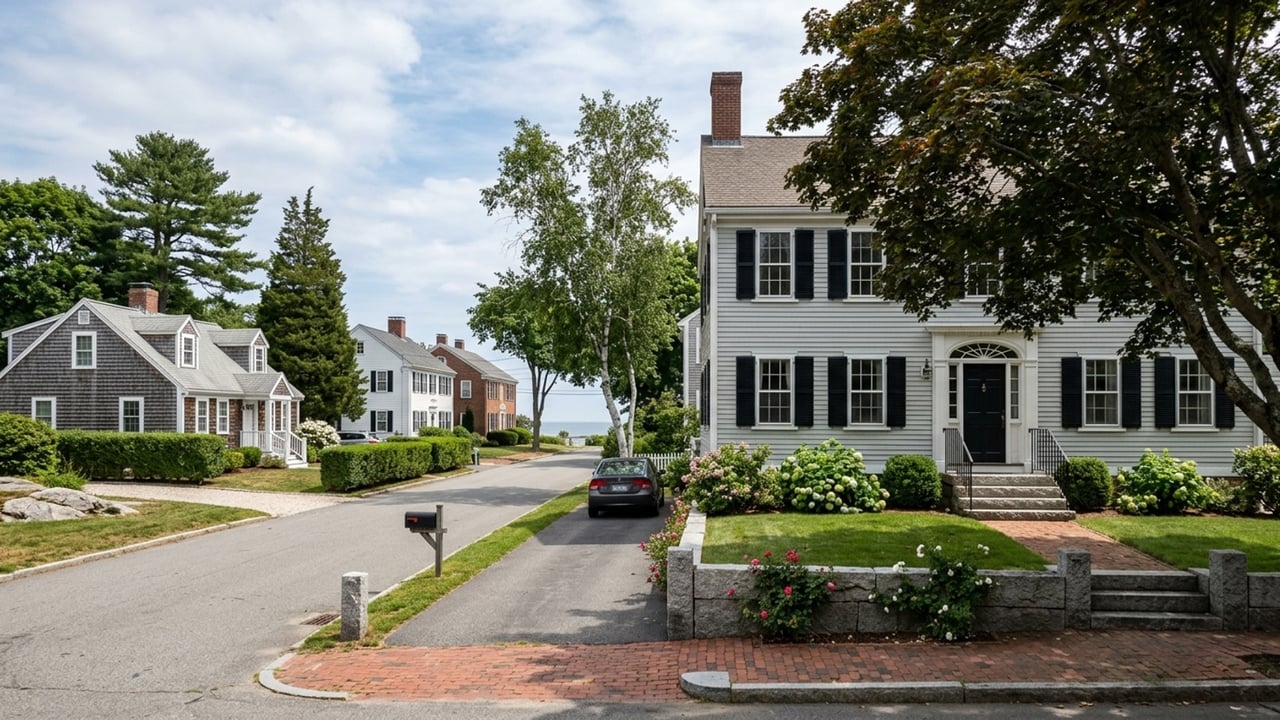
Plum Island offers a very different experience from inland Newbury. It is a barrier beach that runs through Newbury, Rowley, Ipswich, and Newburyport, and the developed area in Newbury reflects its history as a former vacation district.
The master plan describes small lots, few small businesses, and many modest summer-camp-style houses, though more homes are now used year-round. If you are drawn to beach access, wildlife, and a distinctly coastal setting, Plum Island is the most lifestyle-driven choice of the three.
What Makes Plum Island Unique
There is only one vehicular access route to the island, and it runs through Newbury by way of a causeway and drawbridge over the Plum Island River. That limited access is part of the island’s appeal for some buyers, but it is also part of the practical equation.
The setting feels separate for a reason. You are choosing a barrier island environment, not a typical inland village pattern, and that creates a different rhythm for everyday living.
Recreation On Plum Island
For outdoor recreation, Plum Island is closely tied to Parker River National Wildlife Refuge. The town’s open-space page and the refuge FAQ describe activities that include hiking, wildlife observation, photography, fishing, paddling, biking, and beach use.
For many buyers, this is the defining advantage of the island. If your ideal home base includes beach walks, birding, or easy access to protected coastal landscapes, Plum Island can be hard to replicate elsewhere in the area.
Seasonal Rules And Constraints To Know
Plum Island also comes with the clearest seasonal restrictions. The refuge charges $5 per car for vehicle entry, allows free entry on foot or by bike, and frequently closes to vehicles during busy summer periods.
Most refuge beaches also close from April 1 into August to protect nesting piping plovers, and dogs are not allowed. On top of that, the master plan says most of Plum Island is highly exposed to coastal storms and sea-level-rise risk. For buyers, that means the island lifestyle can be exceptional, but it works best when you go in with a clear understanding of access, rules, and environmental exposure.
Comparing The Three Bases
If you want a simple way to frame your options, the source material supports a clear shorthand. Old Town is the historic village-core choice, Byfield is the practical inland services-and-highway choice, and Plum Island is the beach-and-refuge choice with the most seasonal constraints.
Here is a quick comparison:
| Village | Best Known For | Practical Advantage | Key Consideration |
|---|---|---|---|
| Old Town | Historic village character | Direct Route 1A connection to Newburyport and Ipswich | Smaller commercial footprint |
| Byfield | Services and inland convenience | Access to I-95, Route 1, and local facilities | More function-driven feel |
| Plum Island | Coastal and refuge lifestyle | Direct access to beach and outdoor recreation | Seasonal access limits and coastal risk |
Commuting And Getting Around
Across town, the master plan identifies I-95, Route 1, Route 1A, Plum Island Turnpike, and Central Street as major corridors. Most residents use MBTA commuter rail from either Newburyport Station on Route 1 east of the Rotary or Rowley Station off Route 1A.
Massachusetts also lists MeVa regional transit as serving Newbury, Newburyport, Rowley, and nearby communities. For buyers who need to move between home, downtown Newburyport, and regional routes, your village choice can shape how direct those trips feel.
Which Base Fits Your Routine Best
If you expect to drive regularly and want faster access to highway corridors, Byfield often makes the most practical sense. If you are more focused on village character and a slower Route 1A setting, Old Town may feel more aligned.
If your priority is coastal living first and foremost, Plum Island offers a unique experience, but it asks you to accept more seasonal and environmental variables. In other words, the best choice usually comes down to how you want your ordinary days to work, not just how a place feels on a sunny weekend.
How To Choose Your Best Fit
When buyers compare these three parts of Newbury, it helps to think in lifestyle terms first. Ask yourself:
- Do you want the strongest sense of historic village setting?
- Do you want the easiest inland access to services and highways?
- Do you want to live closest to the beach and refuge lands?
- How important are commuter rail connections?
- Are seasonal access limits or coastal exposure acceptable tradeoffs for you?
The right answer is rarely about which village is “best.” It is about which one best matches your priorities, your pace, and the way you want to use your home.
For buyers looking in Newbury, that kind of clarity can save time and lead to better decisions. And in a market where lifestyle fit matters as much as square footage, choosing the right base is often the first smart move.
If you are weighing Newbury Village, Byfield, or Plum Island and want tailored guidance on lifestyle fit, property type, and local market strategy, Zaniboni Luxury Group can help you narrow the search with a thoughtful, concierge-level approach.
FAQs
What is the difference between Old Town, Byfield, and Plum Island in Newbury?
- Old Town is the historic village-core area, Byfield is the inland village with services and highway access, and Plum Island is the beach and refuge-focused coastal area.
Which Newbury village is best for commuting?
- Byfield often stands out for practical access because it is tied closely to Central Street, Route 1, and I-95, while many residents also use commuter rail from Newburyport or Rowley.
What is Plum Island like for year-round living in Newbury?
- Plum Island includes many small-lot homes in a former vacation-district setting, with more homes now used year-round, but buyers should weigh seasonal vehicle limits, beach rules, and coastal storm and sea-level-rise exposure.
What is Old Town like in Newbury, MA?
- Old Town is a historic village area along Route 1A with the Upper and Lower Greens, municipal buildings, historic homes, and a slower-moving, village-oriented feel.
What amenities are located in Byfield, Newbury?
- Byfield has municipal offices, the library, the fire department, and other town services, along with small service-oriented businesses and nearby open-space access.
How do Newbury residents access trains and transit?
- The town master plan says most residents use MBTA commuter rail from Newburyport Station or Rowley Station, and Massachusetts lists MeVa regional transit as serving Newbury and nearby communities.