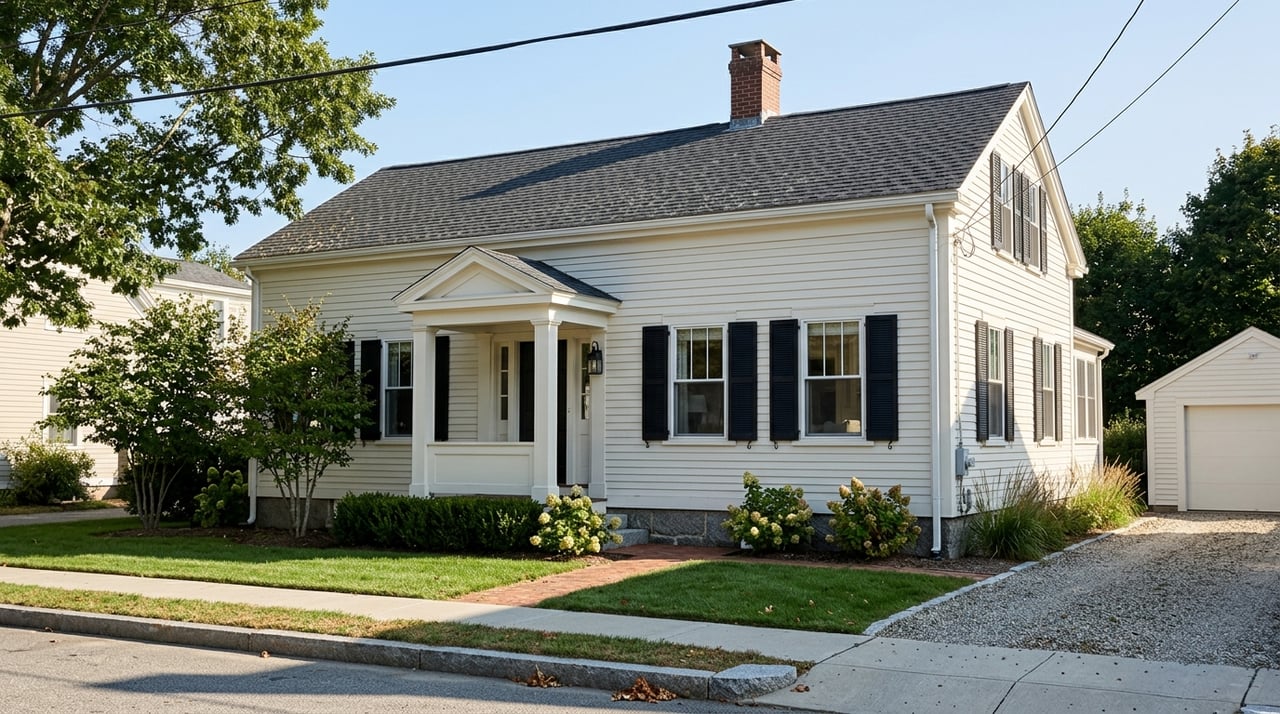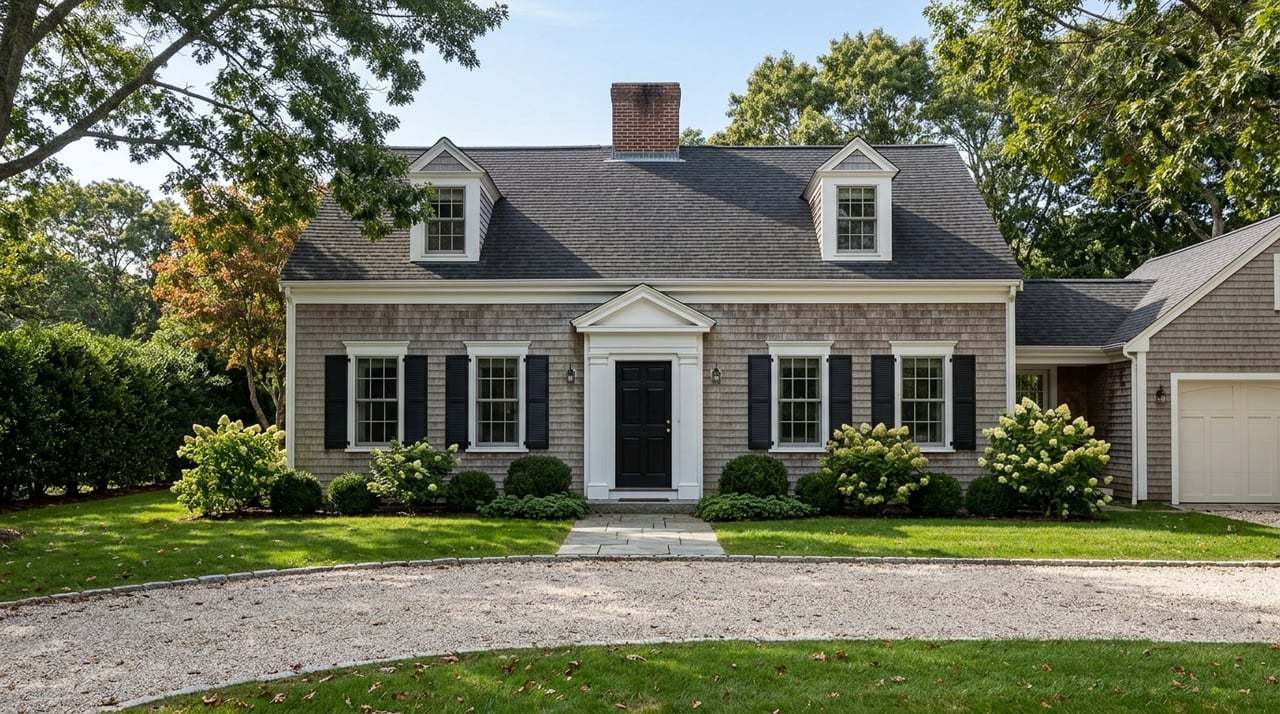
Thinking about selling your Plum Island beach home and wondering how to capture its full value? You are not alone. Coastal properties are special, and getting top dollar takes the right timing, pricing, preparation and reach into the buyer pools that value the lifestyle most. In this guide, you will learn exactly how to position your home for maximum return, from pricing tiers to flood and septic paperwork, presentation, and targeted marketing. Let’s dive in.
Know your market on Plum Island
Plum Island typically sits at a higher price point than many nearby areas, with neighborhood medians often around the low seven figures and lean inventory. That topline view is helpful, but it is only a starting point. Your exact value depends heavily on view quality, access, elevation and recent comparable sales.
For true waterfront, ocean-facing listings, pricing often rises above the neighborhood median. Local market pages focused on the island’s waterfront segment show that direct ocean frontage and private access form a distinct tier. You should separate general island comps from the smaller oceanfront subset when setting your number. Reviewing recent Plum Island waterfront listings and activity can help you see how these properties position and present.
Oceanfront vs. view vs. basin tiers
Academic research on water view premiums shows that value can increase significantly with better, clearer views and direct frontage, but the size of the premium varies by market and by specific conditions. Findings over multiple decades confirm that unobstructed ocean views and direct access tend to command the largest step-ups, while partial views bring smaller gains. Use recent local solds rather than national averages to quantify your premium. For background, see a long-term summary on how water views influence value.
A practical approach is to group comparables into three buckets for your CMA:
- A: Direct oceanfront or beachfront with private access.
- B: Clear ocean views without direct frontage.
- C: Basin, marsh, river-facing or inland on-island properties.
Expect meaningful price gaps between these tiers, especially where elevation, access and condition align with buyer expectations.
Time your listing for peak demand
Beach buyers tend to surge in late spring through early summer. On Plum Island, listing so that your marketing runs through April to June puts your home in front of local buyers and Boston-area second-home shoppers aiming to enjoy the season. If you want to maximize competition, start prep early so your property, paperwork and disclosures are ready for a strong spring launch.
Target buyer pools that pay a premium
- Boston-metro second-home buyers from Cambridge, Newton and nearby suburbs who want a coastal retreat within a 45 to 90 minute drive.
- Local and regional North Shore and Seacoast New Hampshire buyers.
- Out-of-market seasonal users and multi-generational families.
Use geo-targeted digital ads and curated broker-to-broker outreach to reach these groups, especially in the weeks leading into peak season.
Elevate presentation to earn a premium
Well-presented coastal homes do more than look good. They photograph better, drive more clicks and showings, and help buyers visualize life at the property. National data shows staging helps buyers imagine themselves in a home, which can translate into stronger interest and better outcomes. Learn more about why staging matters from the National Association of REALTORS.
Stage the rooms that sell
Focus your effort on the living room, primary bedroom and main entertaining spaces. Remove heavy window treatments and clear sightlines to highlight water views. Tidy decks, railings and outdoor kitchens, and if you have permitted beach access structures, make sure they feel safe and maintained. Partial staging often delivers most of the benefit with less cost, and clearly labeled virtual staging can supplement when a home is vacant.
Win online with premium listing media
Buyers shortlist homes on their screens first. Professional interior and exterior photos, twilight exteriors, and drone aerials consistently drive more clicks and showing requests. See how strong visuals affect engagement in this industry review on the power of visual appeal. Add a measured 2D floor plan and a 3D walkthrough to help out-of-area buyers pre-qualify your home for an in-person visit. You can review common floor plan options here: floor plan and 3D tour overview.
Use drone aerials the right way
Aerials are essential for coastal listings, but they must be done legally and safely. Commercial drone work requires an FAA Part 107 certified pilot, and operators should be registered and insured. Ask to see your pilot’s Part 107 card and confirm compliance with any local restrictions. The NAR drone resource covers best practices and compliance tips.
Get flood and septic paperwork ready
In Massachusetts, systems that fall under Title 5 generally require a septic inspection at sale. Many Plum Island sellers complete the inspection before listing to avoid delays and to give buyers confidence. Learn what an inspection covers and how to handle remedies in the state’s Title 5 guidance.
Flood zones and elevation also matter. On Plum Island, parcels can fall within VE or AE zones, while some are mapped outside higher-risk areas. Whether a structure sits above the Base Flood Elevation can influence lender requirements and flood insurance premiums. Include your FEMA flood zone confirmation and, if available, an Elevation Certificate in the pre-listing packet. Premiums under FEMA’s Risk Rating 2.0 have shifted for many coastal properties, so provide a current quote from both NFIP and any private options. For context on how Risk Rating affects pricing, see this academic overview of flood insurance changes under Risk Rating 2.0.
Dunes, erosion and local projects
Plum Island has a documented history of coastal erosion and periodic nourishment and restoration efforts around the Merrimack River inlet. If the town or state completed dune work, beach nourishment or access repairs affecting your area, note the scope and timing in your disclosures. The Massachusetts Coastal Zone Management program’s year in review offers historical context you can reference.
Pre-list technical checklist
- Title 5 septic inspection and certificate, or a remediation plan if required.
- Current survey or plot plan showing structures, setbacks and access.
- Elevation Certificate, or an order placed with a surveyor.
- Systems and safety review of roof, mechanicals, decks and railings.
- Documentation of recent municipal dune or nourishment work, if applicable.
Marketing that reaches Boston buyers
Where your listing should live
MLS exposure with a full media package is the baseline for high-value coastal listings. Syndication expands your reach, but the quality of your presentation is what turns impressions into booked showings. Make sure the first two weeks feature your strongest visuals, clear captions about view corridors and access, and easy-to-find floor plans and tours.
Targeted outreach that moves the needle
- Curated broker previews and invitation-only events for Boston luxury and second-home agents.
- Paid social campaigns that geo-target Cambridge, Newton and key Metro Boston ZIP codes.
- Email spotlights to vetted buyer lists maintained by established local luxury brokers.
This dual path blends broad visibility with precise placement in front of the buyers most likely to pay for your view, access and lifestyle.
Pricing and negotiation strategy
Price within your correct tier and avoid mixing tiers in your comparable set. If you are oceanfront with private access, use oceanfront solds to anchor your number. If you have a strong ocean view without frontage, rely on view comps and adjust for elevation, stairs and condition.
Consider a launch strategy that sets a realistic high market price and runs a focused 7 to 10 day marketing window before considering adjustments. Provide a well-organized pre-listing packet that includes Title 5, Elevation Certificate, survey and recent contractor invoices. Reducing uncertainty often improves offer terms and lowers concession risk.
Six-to-eight week launch timeline
- T minus 6 to 8 weeks: Order Title 5 and schedule any needed septic or access repairs. If you need an Elevation Certificate, book the surveyor now. Line up contractors for high-impact fixes to stairs, decks and railings. Review staging scope and budget. Refer to the state’s Title 5 overview for timing.
- T minus 3 to 4 weeks: Execute the staging plan in priority rooms. Deep clean, de-clutter and freshen paint where it pays back. Tidy landscaping and outdoor living areas.
- T minus 1 to 2 weeks: Complete interior and exterior photography, schedule a twilight set, capture drone aerials with a Part 107 pilot, and produce floor plans and a 3D tour. Confirm captions that clearly describe view lines and access. For staging best practices, revisit the NAR staging resource.
- Launch week: Go live on MLS with full media, host a broker preview, run targeted Boston outreach, and activate geo-targeted social for the first two weeks.
Success metrics to watch
Track leading indicators in the first 14 days so you can adjust if needed:
- Views and saves on major portals and your listing site in week one.
- Number of showing requests and broker previews scheduled.
- Days to first offer, total offer count, concessions and final price relative to tier-specific comps.
A disciplined read on these metrics tells you whether your pricing, visuals and Boston outreach are delivering the right buyer energy.
Ready to position your Plum Island home for maximum return? Let’s build a tier-true pricing plan, assemble the right documents, and launch with best-in-class presentation and Boston-facing marketing. To start a confidential, no-pressure strategy session, connect with the Zaniboni Luxury Group.
FAQs
What is the typical price range for Plum Island 01950 homes?
- Neighborhood medians often land around the low seven figures, but true oceanfront and direct-access listings form a higher tier that can price well above the general island median.
How do flood zones and elevation impact value and insurance for Plum Island?
- FEMA zone and whether your structure sits above Base Flood Elevation influence lender requirements and premiums; include an Elevation Certificate and current quotes since Risk Rating 2.0 changed many coastal premiums.
Do I need a Title 5 septic inspection to sell a Massachusetts coastal home?
- In most transfers, yes; sellers commonly complete Title 5 before listing to avoid delays and to share the certificate or remediation plan with buyers.
When is the best time to list a Plum Island beach home for maximum return?
- Aim to run your marketing through April to June to capture peak interest from local and Boston-area second-home buyers preparing for summer.
Is drone photography allowed for real estate listings on Plum Island?
- Yes, if flown by an FAA Part 107 certified pilot who is properly registered and insured; confirm compliance before scheduling aerial shoots.
How should I price an ocean-facing home versus a marsh or basin property?
- Build separate comparable sets by tier: direct oceanfront with access, clear ocean views without frontage, and basin or marsh-facing homes, then adjust for elevation, access and condition.