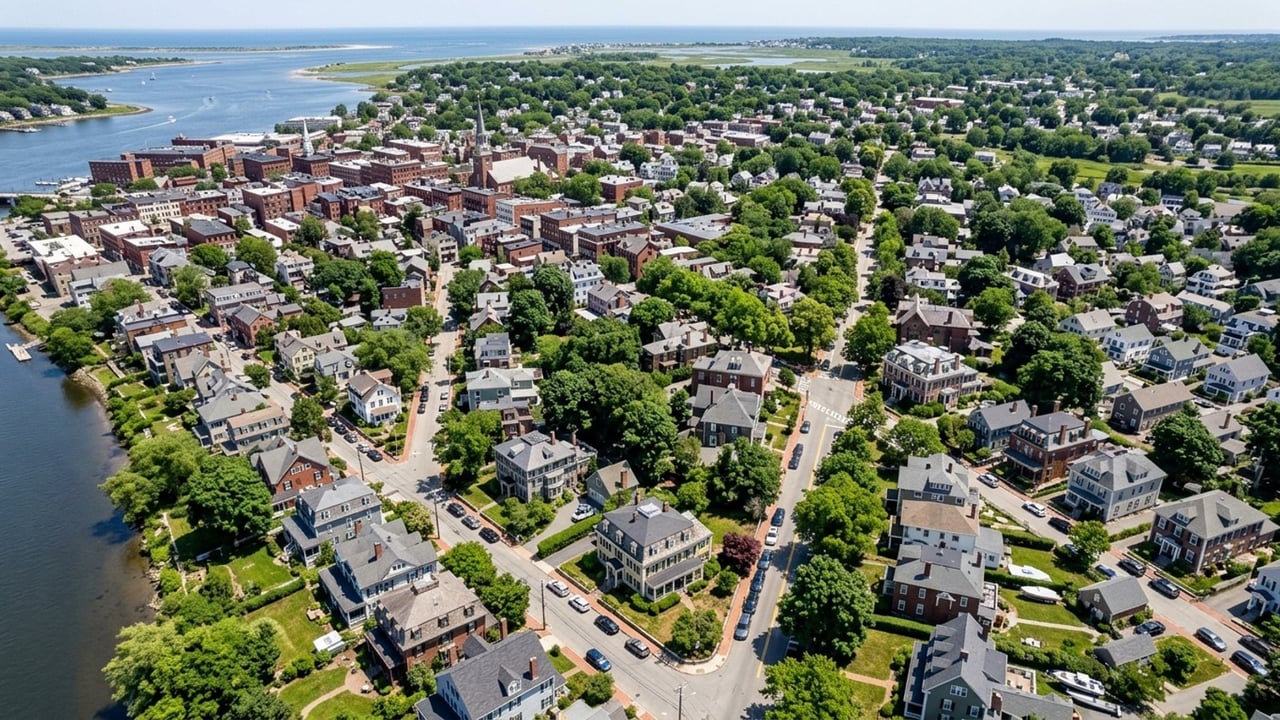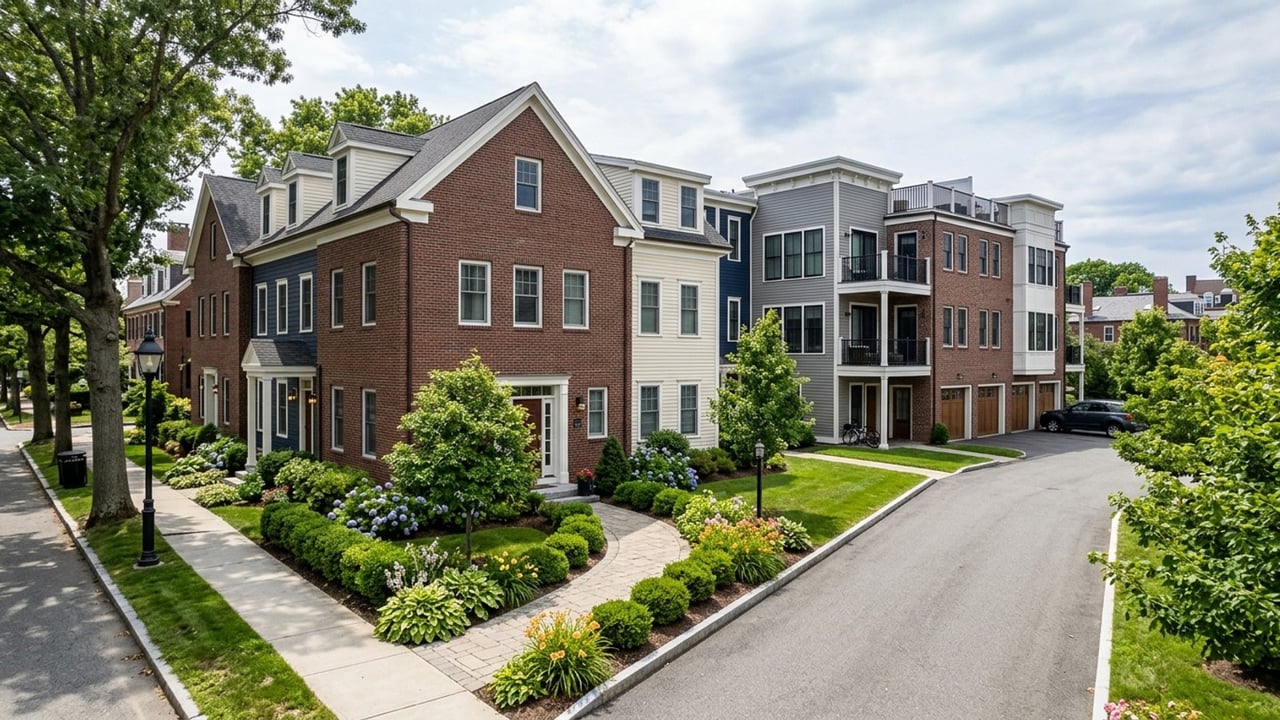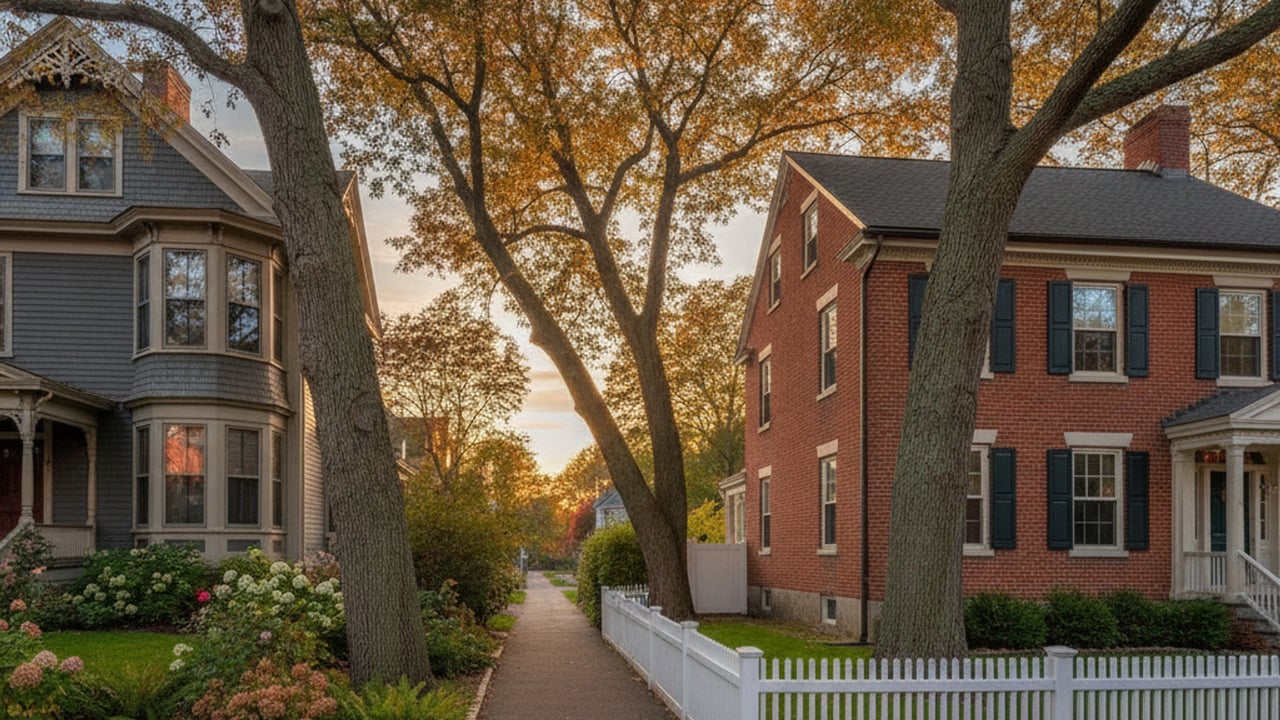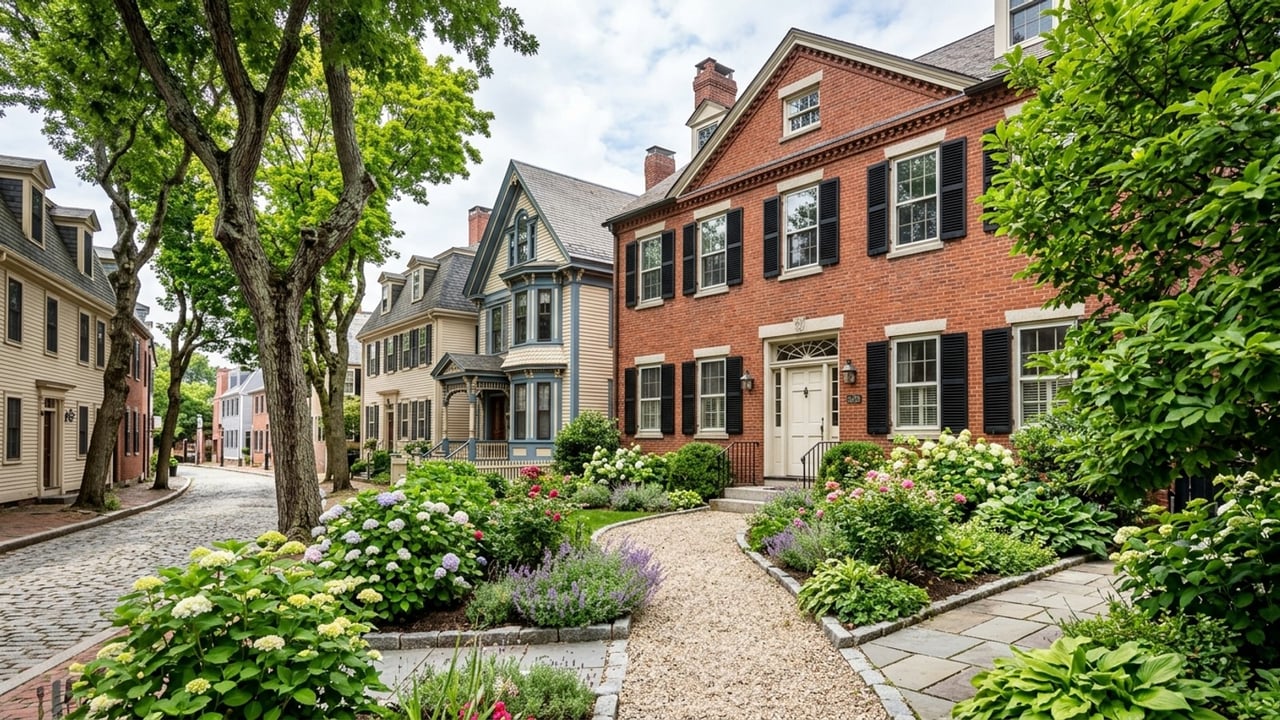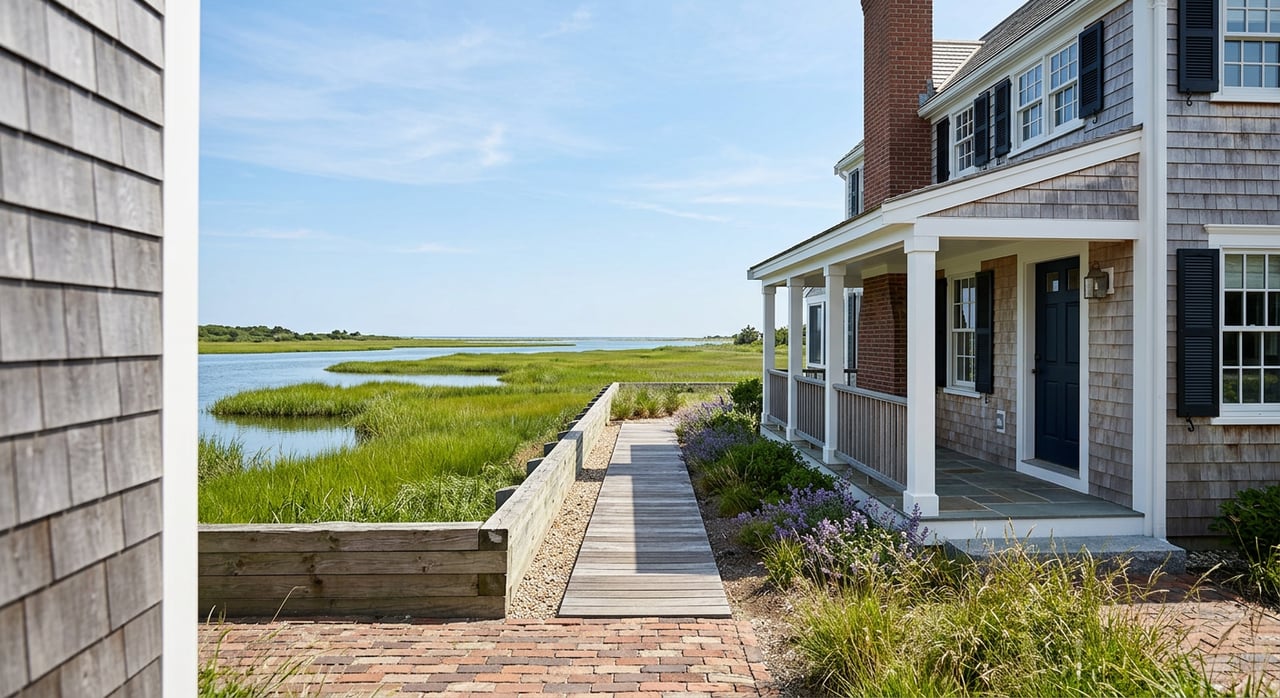
Picture coffee on your porch while egrets hunt the channels of the Great Marsh and the tide slides quietly under your dock. If you are dreaming about Essex, you likely want wide‑open marsh views, easy boat access, and a slower coastal rhythm. This guide gives you the real playbook: how moorings work, what to know about flood maps and permits, where the cottages are, and how today’s market behaves. Let’s dive in.
Why Essex waterfront captivates
Essex sits inside the Great Marsh, a protected salt‑marsh and estuary system known for birdlife, shifting tides, and sand‑fringed islands. You get panoramas toward Crane Beach, Choate Island, and the small islands that dot Essex Bay. For a deeper sense of place, read about the marsh’s scale and ecology in this piece on the Great Marsh and Essex Bay.
Beyond scenery, the lifestyle is local and maritime. You will see skiffs tied to floats, kayaks on car racks, and families planning an afternoon tide for a paddle. Seafood culture is part of daily life, from clambakes to classic “clam shack” menus.
Boating and moorings: how it works
In Essex, moorings are managed by the harbormaster, not by property owners. You need a mooring permit and your tackle must meet town standards. The 2026 Harbor Rules set fees by vessel length at $8 per foot per year with a $100 minimum, and a $15 annual waitlist fee processed through DOCKWA. Get the full details in the town’s 2026 Harbor Rules and Regulations.
One key detail surprises many buyers: mooring rights do not transfer with a home sale. If you purchase a waterfront property, you still need to apply in your own name and follow the waitlist procedure. For questions on availability, transient options, and current timelines, start with the Essex Harbormaster.
Quick mooring prep checklist
- Confirm your vessel specs match available mooring fields per town rules.
- Join the municipal waitlist and budget the annual fee.
- Plan for annual permit renewal and inspections.
- Do not assume a seller’s mooring will carry over to you.
Conomo Point: community and rules
Conomo Point is a beloved waterfront peninsula with a mix of seasonal cottages and year‑round homes. The Conomo Point Association oversees shared waterfront facilities such as floats and community skiffs, with clear norms for use and behavior. If you picture walking down with a cooler and grabbing a skiff, review the Conomo Point Association waterfront regulations so you understand float etiquette and mooring approvals.
Parking is managed by the town and certain areas require resident stickers. Before planning regular launching or guest visits, check the current resident parking sticker rules.
Homes you will find
- Tidal or seasonal cottages. Many sit close to the marsh, often compact and simple. Some have been thoughtfully renovated while preserving their cottage character.
- Renovated capes, saltbox, and modest Victorians. Inland from the tide line, you will find classic New England forms updated for year‑round comfort.
- Newer elevated or rebuilt waterfront homes. Where lots allow, owners often incorporate elevated foundations and flood‑resistant materials. If you are planning upgrades, FEMA’s coastal retrofitting guidance is the standard technical reference for flood adaptation, which you can explore in FEMA’s building science publications.
Flood risk and resilience
Flood exposure varies by parcel and elevation. Smart buyers pair on‑the‑ground observation with official mapping and scenario tools.
- Use FEMA’s Map Service Center to pull an official FIRMette and confirm the current effective flood zone for a property. Start with the state’s portal to the FEMA Flood Map Service Center.
- For planning and visualization, use the Massachusetts CZM Sea Level Rise and Coastal Flooding Viewer to see nuisance flooding, storm surge, and future sea level scenarios. Treat it as a planning tool, not a permitting document.
- If a home sits in a Special Flood Hazard Area, ask about existing elevation certificates, mitigation work, and insurance implications.
Your flood due‑diligence steps
- Order a current elevation certificate if one is not available.
- Review the FEMA FIRMette and note Base Flood Elevation.
- Walk the site at different tides and after a storm.
- Consult a coastal engineer or surveyor for retrofit options.
Permitting 101 for docks and shoreline work
If you want to add or expand a dock, expect multiple layers of review. In Massachusetts, activities in tidelands often require a MassDEP Chapter 91 license. You may also need local Conservation Commission approvals, harbormaster input, and in some cases federal reviews for dredging or fill. Start with MassDEP’s overview of environmental permitting in coastal Massachusetts to understand scope and sequence before you hire specialists.
Shellfishing and seafood culture
Shellfishing is part of Essex life, but it is regulated. The town issues family and commercial licenses with residency rules, seasonal closures, and harvest limits. Commercial oyster harvest is restricted under local rules. If you plan to dig clams with visiting friends, read the town’s shellfishing regulations and check for closures before you go.
Everyday logistics and access
Essex gives you a relaxed base with quick access to nearby coastal towns. Typical non‑peak drives are about 25 to 30 minutes to Newburyport and roughly 45 to 60 minutes to Boston, depending on route and traffic. For rail, the nearest MBTA Newburyport/Rockport Line stations are Ipswich and Hamilton/Wenham, with rides to North Station in about 50 to 60 minutes. Always check a live route planner for current times.
Market reality in 2026
Waterfront homes in Essex are scarce, and many properties are seasonal or sit within community rule sets like Conomo Point. That limited supply supports pricing. Public snapshots show Zillow’s Essex home value index around the high six to low seven figures, roughly in the $850k to $880k range in early 2026, while Redfin’s small recent sample has shown medians above $1 million with fast days on market. In a small town, a few sales can swing the data, so you want fresh, property‑level context before you bid.
What this means for you
- Expect competition for updated or well‑sited waterfront properties.
- Lean on recent, local comps rather than broad county stats.
- Price and timing are sensitive to tide, view corridors, elevation, and association rules.
Buy with confidence: your Essex checklist
- Verify mooring options with the harbormaster and join the waitlist early.
- Pull a FEMA FIRMette and review the state sea level rise viewer.
- Confirm any association or parking rules that affect daily use.
- If you plan a dock or addition, map the Chapter 91 and local approvals early.
- Get up‑to‑date comps and days on market for your micro‑area.
Partner with a local advisor
Waterfront decisions in Essex reward preparation. You want a team that blends lifestyle insight with data and a clear path through moorings, flood maps, and permits. If you are weighing year‑round living or a second home, we will source options on and off market, pressure‑test risk and value, and guide every step through closing.
Ready to explore Essex with a seasoned North Shore team by your side? Connect with the Zaniboni Luxury Group to start a focused, confidential search.
FAQs
What is living on the Essex marsh like?
- You get wide tidal views within the Great Marsh, with birdlife, shifting channels, and access to scenic islands like those near Crane Beach and Choate Island, as described in this Great Marsh overview.
Do waterfront home purchases include a mooring in Essex?
- No. Moorings are municipal permits assigned by the harbormaster and do not transfer with a home sale. See the town’s Harbor Rules and Regulations and contact the Harbormaster.
How do you check flood risk for an Essex waterfront home?
- Pull an official FIRMette from the FEMA Flood Map Service Center and use the state’s Sea Level Rise and Coastal Flooding Viewer for scenarios. Then consult a surveyor or engineer.
What permits are needed to build or extend a dock?
- Most dock projects in tidelands require a MassDEP Chapter 91 license plus local Conservation Commission review and coordination with the harbormaster. Start with MassDEP’s coastal permitting guide.
Can you harvest clams or oysters near your Essex home?
- Yes, with a town shellfish license and only when open areas and harvest limits allow. Review the Essex shellfishing regulations and check for closures.
How does Conomo Point manage floats and parking?
- The Conomo Point Association sets waterfront facility rules, found in its waterfront regulations, and the town manages resident parking stickers for certain areas.