Is a full-time life by the beach calling you, yet you wonder what day-to-day looks like beyond summer? If you are weighing a move to Plum Island, you are smart to dig into access, flood risk, insurance, utilities, and winter realities before you buy. In this guide, you will learn the essentials that shape year-round living, plus a clear checklist to help you make confident decisions. Let’s dive in.
Why Plum Island year-round
Plum Island delivers Atlantic views, long beaches, and a quieter, nature-forward setting. Many buyers love the blend of sunrise walks, birdlife, and a short hop into downtown Newburyport for dining and errands. The trade-off is practical. You will balance beach access and seclusion with single-road access, limited parking, and parcel-specific flood and insurance factors.
Seasonality matters. Summer can feel lively with visitors and peak beach days. Winter shifts to a calm, neighborly pace with a focus on planning for storms and routine mainland errands.
Access and parking
Single-road realities
There is one primary land route to the island, the Plum Island Turnpike. During extreme high tides or storm surge, local authorities have temporarily closed the road for safety, so you should plan for possible delays or detours. The city is advancing a Turnpike resiliency project that studies storm and climate vulnerabilities and may lead to future construction windows and traffic impacts. Follow official updates on recent closures and the ongoing Turnpike resiliency project, and check notices such as the city’s posts when the Turnpike is made passable after flooding.
What that means day to day: deliveries, contractors, and emergency responders all use the same route. After major storms, service calls can take longer than on the mainland. Build a buffer into your schedule during extreme weather.
Guest parking rules
Public parking is limited on the island. Many streets restrict on-street parking, and visitor demand peaks in summer. Review the Harbormaster’s guidance for rules, hours, and fees at the Plum Island Point Beach parking lot when you plan gatherings or weekend guests.
Flood risk and insurance
Map updates and parcel checks
Much of Plum Island sits in FEMA-designated coastal flood hazard areas. Newburyport published updated FEMA map tiles in 2025, which changed flood-zone status for some parcels. Always verify the exact parcel on the city’s FEMA Flood Maps page, then run the address through FEMA’s Map Service Center to download the current effective panel.
Two zone types often appear on coastal parcels. V or VE zones indicate coastal high-hazard areas with wave action and stricter design rules, including elevated lowest horizontal members on pile-supported foundations. AE or A zones indicate floodplains without mapped wave action yet still require elevation and carry mandatory flood insurance for many mortgages. FEMA’s Coastal Construction Manual outlines these practical design differences in detail for coastal homes. You can review the guidance in the Coastal Construction Manual.
Insurance, ICC, and costs
Flood insurance under FEMA’s Risk Rating 2.0 is priced per property using factors like distance to water, elevation, building features, and replacement cost. Outcomes vary by address, so get quotes for the specific home rather than relying on a neighbor’s premium. NFIP flood policies are separate from homeowners policies, and waiting periods and coverage limits apply. For background on how pricing works, review the congressional analysis of Risk Rating 2.0.
If a home is declared substantially or repetitively damaged, NFIP’s Increased Cost of Compliance (ICC) can help fund compliance items such as elevation, relocation, or demolition. ICC is typically capped at up to $30,000 and rarely covers full elevation costs on its own. Studies and FEMA resources show many elevation projects landing in a broad range, often tens of thousands of dollars and sometimes much higher, depending on structure type and required freeboard. Learn more about ICC in FEMA’s program guidance.
Homes and build types
Older cottages, pre-FIRM
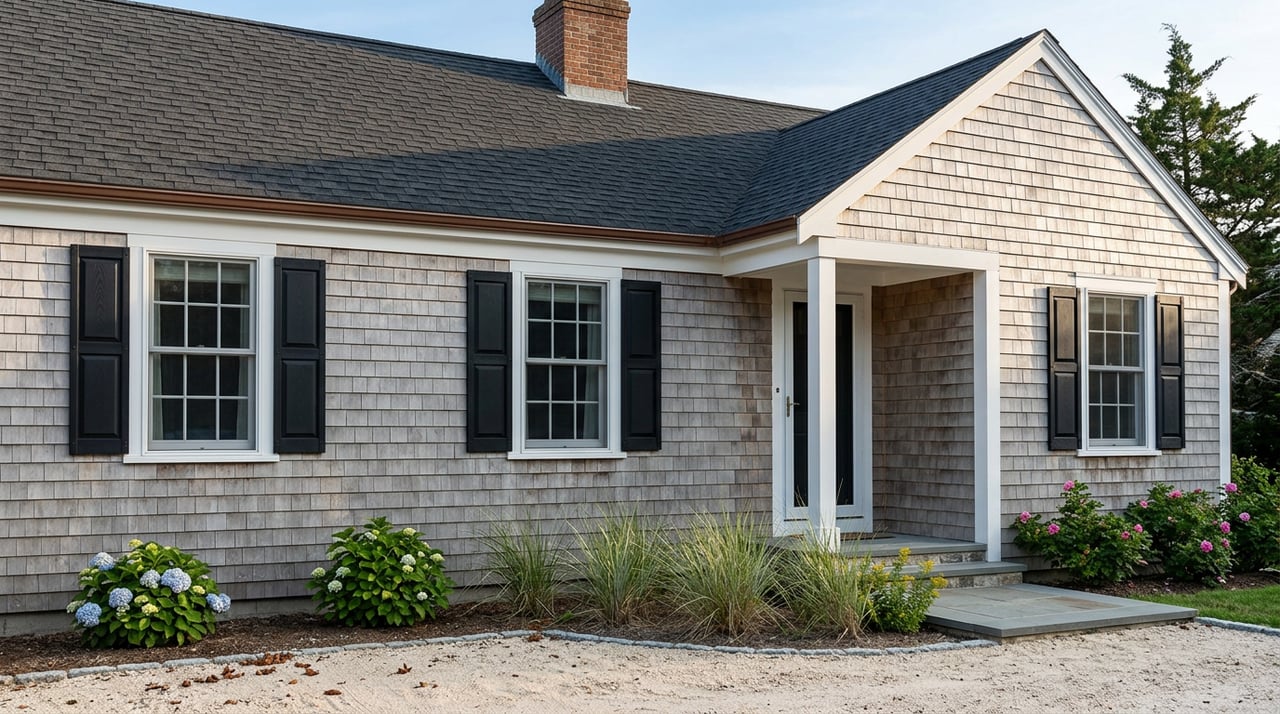
Many mid-20th-century cottages were built as seasonal homes and often sit at lower elevations, sometimes with crawlspaces or basements. These are frequently “pre-FIRM,” meaning built before the first effective Flood Insurance Rate Map for the community. Pre-FIRM properties can carry specific insurance considerations and may trigger elevation or other mitigation if you pursue a substantial improvement or if the home is judged substantially damaged after a storm.
Cottages can be charming and well located, but you need a clear plan. Ask for an elevation certificate, consult a structural engineer on feasibility, and price out upgrades before you commit.
Elevated, resilient builds
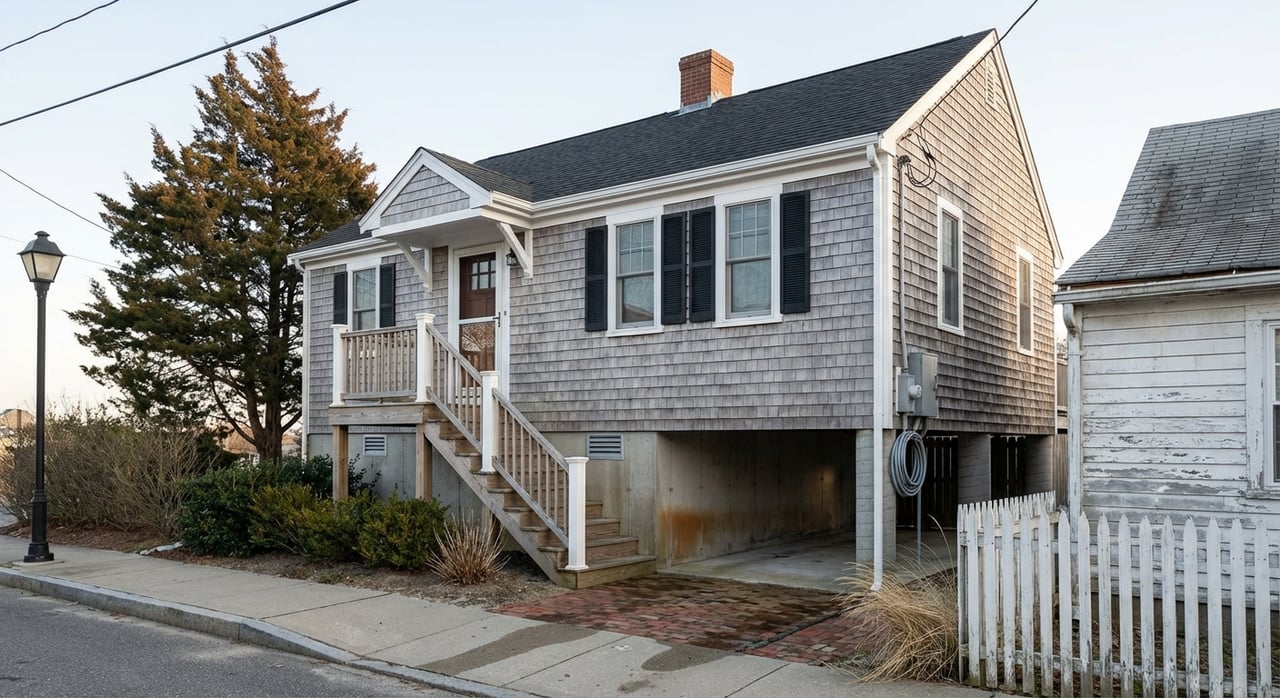
Newer coastal homes typically raise living areas above Base Flood Elevation using pilings or columns. They rely on breakaway walls for lower enclosures and elevate or flood-proof mechanicals and utilities. This design approach reduces expected damage in wave events and aligns with best practices described in FEMA’s Coastal Construction Manual. Expect higher upfront build costs and a different ground-level use pattern, such as parking and storage under the living space.
If you plan renovations, understand the “substantial improvement” rule. When project value crosses a defined threshold relative to the structure’s value, the home must be brought into compliance, which can mean elevation or significant retrofit. ICC may help, but it is not a full funding source on its own. See FEMA’s ICC guidance for the compliance pathway and definitions.
Infrastructure and services
Most listings advertise municipal water and sewer at the street, yet availability, connection status, and any betterment assessments must be confirmed with the City or Town before you buy. Ask the Water and Sewer Department for written confirmation of service and fees. Review the building department’s permit history for flood repairs or any past substantial damage letters.
Power sources vary by home. Some properties use electric or heat pump systems, while others have oil or propane. Coastal storms can cause outages. Ask sellers about typical outage length and confirm that critical equipment such as electrical panels, HVAC units, and pumps sit above potential flood levels. Review municipal emergency pages and sign up for alerts so you know the plowing, trash, and storm procedures for your address.
Mail, garbage, and emergency services route from the mainland. Response routes are fixed because there is a single access road, so plan accordingly.
Winter lifestyle and rhythm
Winter on Plum Island is peaceful and practical. Snow and nor’easters can slow travel, and the Turnpike may have temporary restrictions during extreme events. Public works plows the island, yet restoration and service calls can take longer than on the mainland, especially right after a storm. Stay enrolled in local alerts and monitor the Turnpike resiliency updates.
Daily errands, medical appointments, and most shopping happen in Newburyport and nearby towns. Plan your week around a short drive to the mainland. Conservation areas also influence the rhythm of outdoor life. The Parker River National Wildlife Refuge protects habitat and imposes seasonal area closures for nesting birds like the piping plover. You can learn more about the refuge and its seasonal patterns on this local overview of Parker River NWR.
Buyer due diligence checklist
Use this short list to focus your pre-offer research and your home inspection window.
- Pull the FEMA map for the exact address. Look up the parcel on FEMA’s Map Service Center and download the current effective panel. Cross-check the city’s 2025 FEMA map tiles.
- Request flood documents. Ask the seller for any elevation certificate, NFIP policy history, and permits tied to flood repair or substantial damage determinations. If no elevation certificate exists for a home in or near a Special Flood Hazard Area, order one from a licensed surveyor.
- Get multiple insurance quotes. Ask for an NFIP Risk Rating 2.0 quote and at least two private-market quotes for the same structure and contents limits. Review deductibles, waiting periods, and ICC eligibility using the Risk Rating 2.0 overview and FEMA’s ICC guidance.
- Confirm zoning and conservation overlays. Verify whether the property sits in the Plum Island Overlay District or other overlays, and clarify setbacks and permitted uses with planning and conservation staff. Use this reference on zoning overlays and process.
- Verify utilities and any betterments in writing. Ask the Water and Sewer Department to confirm service and fees. Treat any listing note about pending betterments as a flag for a cost check.
- Price out mitigation. If the home is pre-FIRM or has low elevation, consult a structural engineer about elevation or flood-proofing. Elevation projects can fall in a broad range, often tens of thousands of dollars, and ICC caps at up to $30,000, so set expectations early.
- Test the lifestyle in winter. Visit on a windy or stormy day, practice the commute, and check guest parking. Read the Harbormaster’s parking guidance and evaluate how it fits your routine.
Plum Island vs. mainland
Flood exposure differs by parcel. Plum Island is more exposed to coastal storm surge, wave action, and barrier-beach dynamics. Mainland Newburyport has river and harbor areas with their own flood risk, while inland streets generally face less direct wave exposure. Always compare properties using the city’s current FEMA map tiles and the parcel’s FIRM panel.
Services and convenience vary too. The mainland concentrates municipal offices, shops, restaurants, and cultural amenities. Plum Island trades that convenience for water views, sand, and a quieter setting. Your ideal fit depends on how you value beach lifestyle versus on-foot access to in-town services.
Final thoughts and next steps
Year-round life on Plum Island is equal parts beauty and planning. If you check the parcel-level flood data, price your insurance with current methods, confirm utilities and zoning in writing, and budget for resilience, you can enjoy the beach lifestyle with eyes open. A local, data-led advisor will help you navigate these steps and negotiate with confidence.
If you are ready to explore island listings or want a second set of eyes on a particular property, connect with the Zaniboni Luxury Group for concierge guidance, due diligence support, and access to exclusive opportunities.
FAQs
Is the Plum Island Turnpike ever closed in winter or storms?
- Yes. During extreme high tides or storm surge, authorities have temporarily closed the Turnpike. Follow city notices on recent Turnpike updates and the resiliency project for planning.
How do FEMA flood zones affect a Plum Island purchase?
- Zones V or VE mean coastal high-hazard with wave action and stricter elevation and foundation standards. AE or A zones still require elevation rules and often mandatory flood insurance. Confirm the parcel on the FEMA Map Service Center.
How are flood insurance premiums set under Risk Rating 2.0?
- FEMA now prices NFIP policies per property using distance to water, elevation, building features, and replacement cost, not just the map zone. Outcomes vary by address, so request current quotes. See the Risk Rating 2.0 overview.
What is ICC and will it cover elevation costs?
- NFIP’s Increased Cost of Compliance can contribute up to $30,000 toward bringing a substantially damaged or improved home into compliance. Elevation projects often exceed that amount, so treat ICC as partial help. Review FEMA’s ICC guidance.
Do Plum Island homes have public water and sewer?
- Many parcels list public water and sewer, but availability and fees vary by address. Always confirm service and any betterment assessments with the City in writing before you close.
Are there seasonal closures or conservation limits on the island?
- Yes. The Parker River National Wildlife Refuge protects habitat and has seasonal area closures for nesting birds. Learn about patterns and visitor guidance on this overview of the refuge.