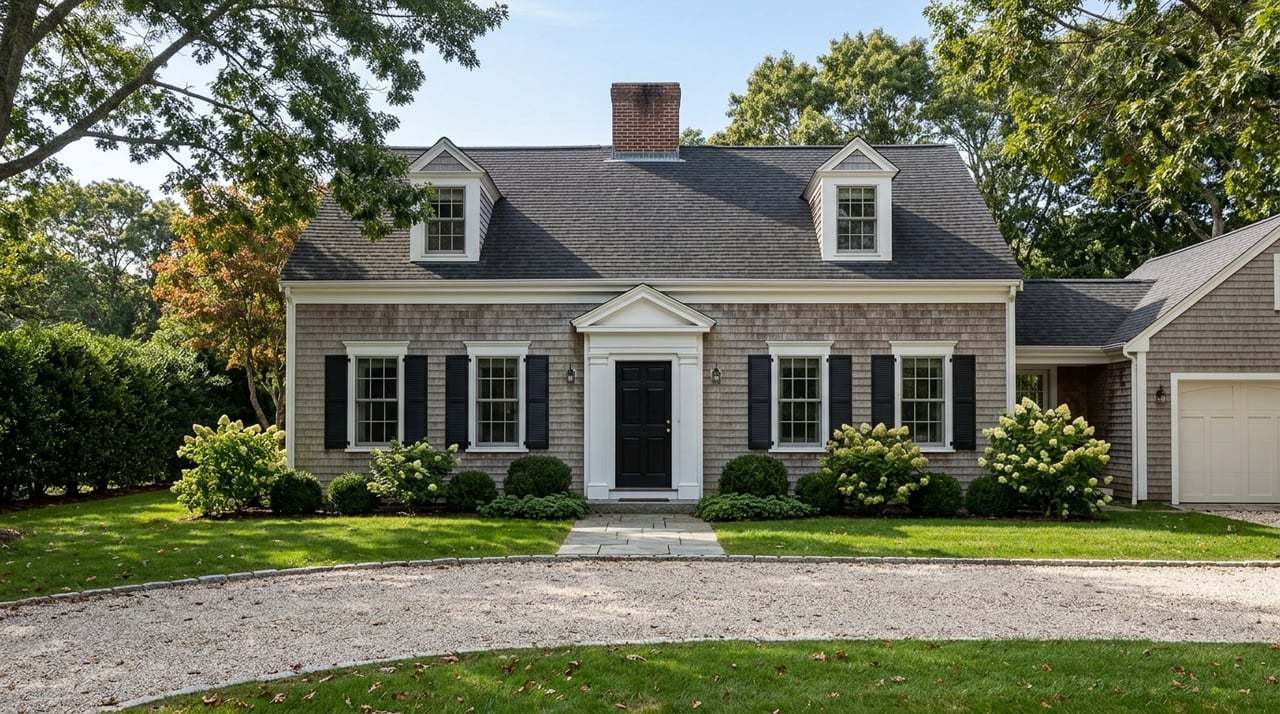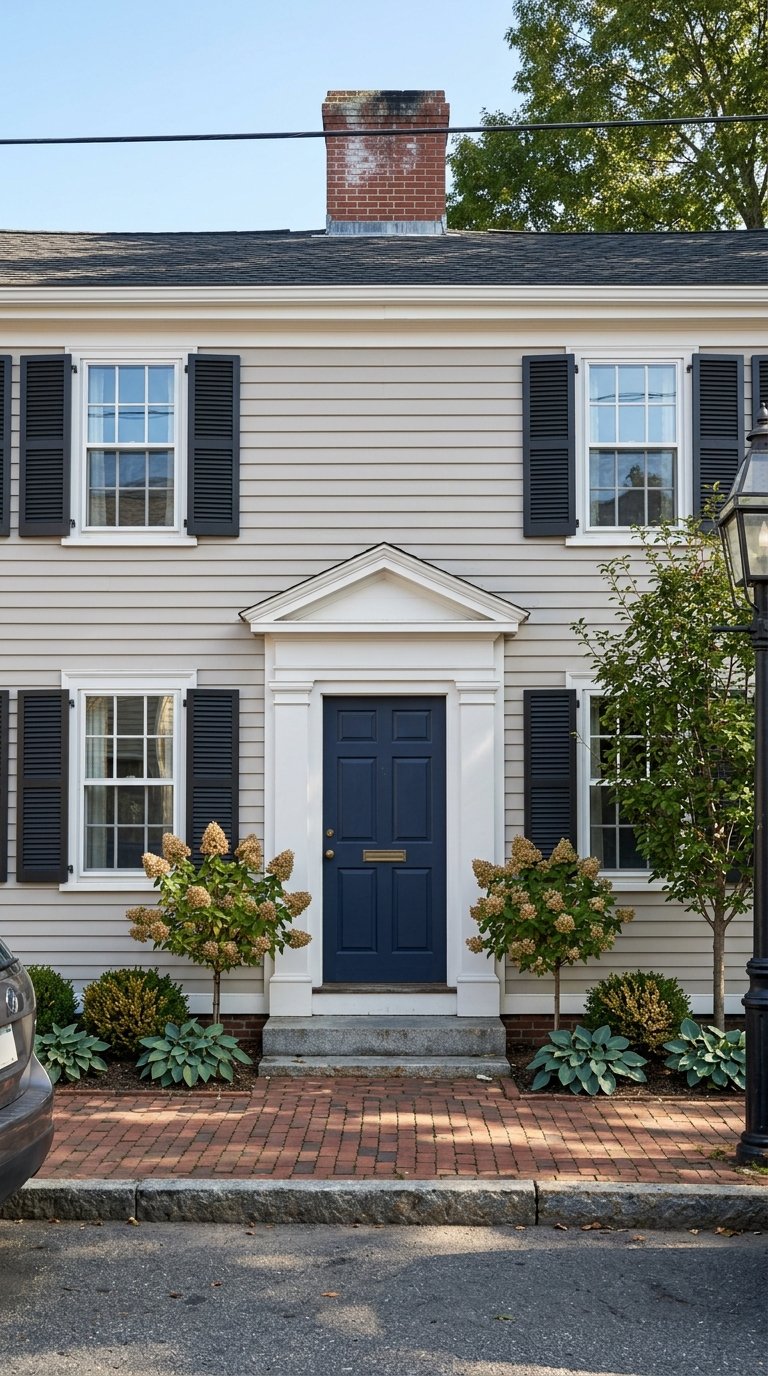
Eyeing a coastal home in Essex or a townhouse in Cambridge-Newton-Framingham that pushes past standard loan limits? When your purchase price climbs, so do the financing rules. You want clarity on how jumbo loans work here, what lenders expect, and how to make your offer win without overreaching. This guide breaks it all down and gives you a clear plan to move forward with confidence. Let’s dive in.
Jumbo vs. conforming: what it means locally
A conforming loan meets Fannie Mae and Freddie Mac rules and stays at or below the county’s conforming limit. A jumbo loan is any mortgage above that county limit. Jumbo loans are not purchased by Fannie or Freddie, so lenders apply their own stricter standards.
The key is your county’s limit. Essex County’s threshold can differ from other nearby counties. Before you shop or write an offer, verify the current year limit using the official FHFA county loan limit resources. If you are comparing Essex with Cambridge-Newton-Framingham, check each property’s county limit so you know whether you are in conforming or jumbo territory.
What jumbo lenders look for
Credit, down payment, and reserves
Many jumbo lenders prefer strong credit, often around 700 to 760 or higher for the best pricing. Down payments of 10 to 20 percent are common, with larger amounts needed for certain property types. Lenders frequently require 6 to 12 months of full mortgage reserves, sometimes more as loan sizes rise.
Debt-to-income expectations
Acceptable DTI ratios vary by lender and product. Caps often land around 43 to 50 percent. Lower DTI and substantial assets can help if you need an exception.
Documentation you should prepare
Be ready for more intensive documentation than a typical conforming loan. Common requests include:
- Government ID
- Last 2 years of personal and, if applicable, business tax returns
- Recent pay stubs if you are a W-2 employee
- 2–3 months of bank statements for liquid accounts, plus statements for investments and retirement holdings
- Verification of employment, if required
- Documentation for other income streams, such as bonuses or dividends
- Signed authorization for the lender to verify assets and credit
- Explanations for large deposits or transfers
- Proof of funds for your down payment and closing costs
- For condos, association documents, budgets, master insurance, and reserve studies
- For waterfront or coastal properties, flood zone documentation, flood insurance quotes, surveys, and elevation certificates if needed
Appraisals and complex properties
Luxury, historic, or unique homes often require deeper appraisal work. You may see longer timelines, added appraisal reviews, or even multiple appraisals. Expect a higher chance of appraisal gaps if comparable sales are limited or if the home has one-of-a-kind features.
Local factors that affect jumbo financing
Flood zones and insurance
Many Essex County coastal properties sit in FEMA flood zones. Lenders will order a flood determination and require flood insurance if applicable. Premiums, elevation certificates, and the availability of private flood policies can affect your monthly costs and qualification. For maps and guidance, use the FEMA Flood Map Service Center.
Historic homes and unique features
Historic status may bring preservation rules that affect renovations and appraisals. Unique amenities, such as private docks or outbuildings, can add complexity to valuation. Lenders focus on marketability, so unusual features may lead to closer review.
Septic, wells, and utilities
If the home uses a private septic system or well, be prepared for inspections or certifications. Some lenders and insurers have extra requirements for properties that are not on public utilities.
Condominiums and HOAs
Condo projects must meet lender or agency standards. Small associations or those that do not meet project approval criteria can limit financing options. Plan for your lender to request detailed condo documents and budgets early.
Seasonal or short-term rentals
If you plan to rent seasonally or short term, underwriting may treat that income differently. Documentation needs can change based on how you intend to use the property.
Title and coastal easements
Coastal properties can include unique rights, such as littoral rights or historic rights of way. Your lender and title company will want any easements or restrictions addressed before closing.
How to strengthen your jumbo offer
Get a true pre-approval
A formal pre-approval from a lender that actively underwrites jumbo loans is far stronger than a quick pre-qualification. Ask for a written commitment that is subject to appraisal and title, and confirm the lender’s experience with Massachusetts luxury properties.
Show capacity early
Provide your pre-approval letter and proof of funds with your offer. Consider asking your lender for a conditional approval that states the target loan amount, product, and key conditions. This gives sellers confidence that you can close.
Adjust contingencies with care
Shorten financing or inspection windows only if you are comfortable and your lender agrees the timeline is realistic. Protect yourself on title and major defects. If competition is intense, you can include an appraisal-gap clause where you agree to cover a defined shortfall if the appraisal comes in lower, but confirm you have the cash set aside.
Consider cash, bridge, or a hybrid
If you have the liquidity, a cash offer or bridge financing can remove loan risk for the seller. If you use a bridge, include documentation of the commitment with your offer.
Use earnest money and timelines strategically
A larger earnest money deposit and a tight but realistic closing window can make your offer stand out. Coordinate the timeline with your lender so it aligns with appraisal scheduling and rate-lock periods.
Choose the right team and communicate fast
Work with a local lender and an agent who know Essex County’s coastal and historic nuances. Respond quickly to lender documentation requests so your file stays clean and your offer remains credible.
Buyer checklist for Essex jumbo loans
- Contact a jumbo lender and secure a written pre-approval that lists your loan amount, product, and conditions.
- Gather proof of funds and recent bank statements for your deposit and reserves.
- Organize your last 2 years of tax returns and documentation for any other income.
- Plan for flood determinations, and septic or well inspections if relevant. For condos, request key association documents early.
- Coordinate appraisal timelines and a rate-lock window that fits your offer.
- Decide if you are comfortable with an appraisal-gap clause and how much you would cover.
- Confirm homeowners and flood insurance options and costs before you finalize terms.
- Align on title and survey requirements with your agent and a local title company.
Helpful resources
- Confirm county-level limits with the FHFA loan limit resources.
- Review consumer mortgage guidance from the CFPB’s Owning a Home guides.
- Check flood maps and documentation needs using the FEMA Flood Map Service Center.
- For state-level oversight and licensing information, see the Massachusetts Division of Banks.
When you are ready to move forward, align your financing plan with your target neighborhoods and property type. A clear jumbo strategy helps you compete with confidence, manage appraisal risk, and close on the home that fits your lifestyle.
If you want a tailored plan, local lender introductions, and guidance on coastal or historic nuances, let’s talk. Book an Appointment with the Zaniboni Luxury Group to map out your next steps.
FAQs
How much down payment do jumbo loans usually require in Essex?
- Many lenders expect 10 to 20 percent down for primary residences, with 20 percent or more common for best pricing. Investment properties can require larger down payments.
What credit score do I need to qualify for a jumbo mortgage?
- Competitive jumbo pricing often starts around 700 to 760 or higher. Lower scores may still qualify, but rates or terms can be less favorable.
Are jumbo mortgage rates always higher than conforming rates?
- Not always. Pricing depends on the market, lender appetite, loan features, and your profile. Sometimes jumbo rates are similar to conforming, and sometimes they carry a premium.
Can self-employed buyers get a jumbo loan in Essex County?
- Yes. Options include full-documentation, bank-statement, portfolio, or non-QM programs. Expect more documentation and possibly higher reserve requirements.
What happens if my appraisal comes in below the purchase price?
- You can negotiate a price adjustment, bring additional cash to cover the gap, or withdraw if your financing contingency allows. Planning for this risk ahead of time is wise.
Do jumbo loans take longer to close than conforming loans?
- They can. Underwriting is more intensive and appraisals may take longer, especially for unique properties. Build in extra time and respond quickly to lender requests.