Trying to choose between Newburyport, Newbury, and West Newbury? Each offers a distinct lifestyle, commute pattern, and housing feel, so the right fit depends on how you want to live day to day. If you value walkability, beach access, or wide-open land, you will find a strong match here on the North Shore. In this guide, you will compare core trade-offs, see town-by-town highlights, and get a focused research checklist to make a confident choice. Let’s dive in.
Quick comparison
| Feature | Newburyport | Newbury | West Newbury |
|---|---|---|---|
| Character | Walkable coastal small city with lively downtown | Coastal town with Plum Island beach access | Inland, pastoral town with rural charm |
| Commute access | MBTA commuter rail to Boston at town terminus | No in-town rail; drive to nearby stations | No in-town rail; drive to nearby stations |
| Lifestyle vibe | Restaurants, arts, waterfront events | Quiet centers, seasonal beach energy | Quiet, community-oriented, low commercial |
| Housing & lots | Condos, rowhouses, historic homes on smaller lots | Mix of cottages and single-families, moderate lots | Larger lots, farms, equestrian options |
| Coastal exposure | Waterfront areas with flood considerations | Plum Island and coastal zones with flood considerations | Lower coastal flood exposure overall |
| Buyer fit | Walkability, dining, commuter convenience | Beach access and seasonal recreation | Privacy, acreage, country feel |
Newburyport at a glance
Lifestyle & amenities
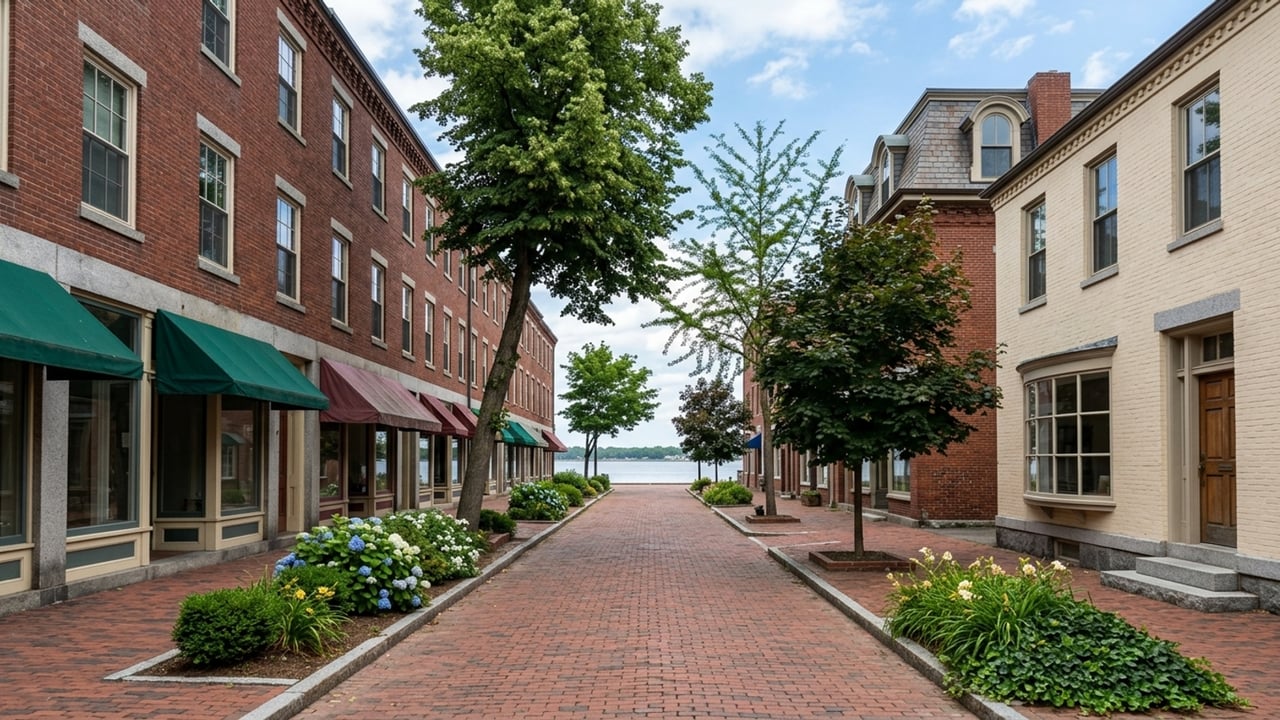
You get a vibrant, walkable downtown with shopping, restaurants, galleries, and year-round events. The Merrimack River waterfront offers boating, fishing, and parks. Cultural programming and historic charm create an active, small-city experience.
Commute & transit
Newburyport is the terminus of the Newburyport/Rockport MBTA commuter rail, with direct service to Boston’s North Station and connections into the subway network. Regional bus options and highway access add flexibility. If you commute to Boston or connect through the T, this can be a daily convenience advantage.
Schools & families
The town operates its own public school district with an established high school. Larger districts typically offer broader extracurriculars and courses, though you should confirm current data. For objective profiles, review Massachusetts DESE report cards for programs, enrollment, and recent metrics.
Housing & lot types
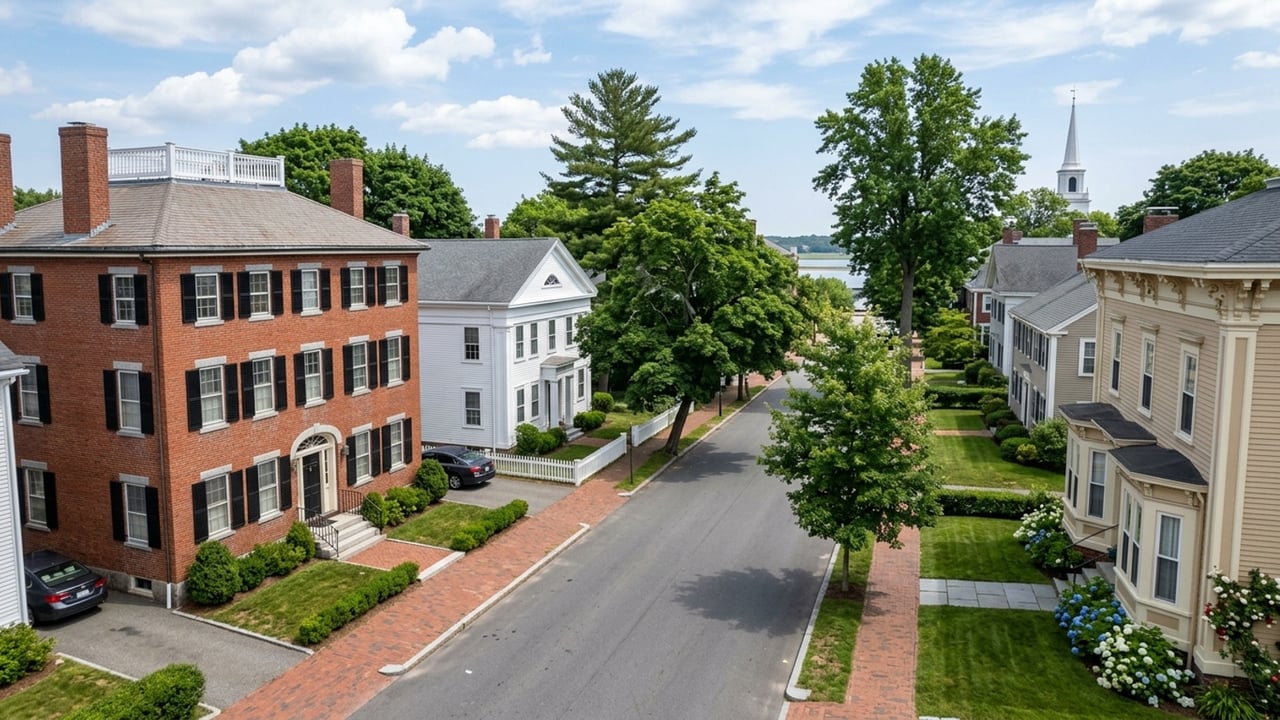
Expect a dense mix of 18th and 19th century homes, rowhouses, renovated condos, and tasteful infill townhomes. Most central neighborhoods have smaller yards. Designated historic districts help preserve character, so exterior changes may require review.
Practical costs & risks
Many properties have municipal water and sewer, which can simplify renovations. Waterfront and low-lying areas can fall within FEMA flood zones, so factor potential flood insurance, elevation requirements, or building restrictions into your analysis.
Best for
Buyers who want walkability, dining, cultural energy, and direct rail access to Boston.
Newbury at a glance
Lifestyle & amenities
You live close to Plum Island beaches and the Parker River National Wildlife Refuge for year-round coastal recreation. Town centers are quieter with fewer daily amenities, so many residents drive to nearby hubs for shopping and dining. Expect seasonal rhythms, with summer activity and traffic near the beach.
Commute & transit
There is no commuter rail station inside town limits. Most commuters drive to nearby stations, including Newburyport, or commute by car via regional routes. Door-to-door timing varies by neighborhood and destination, so test your commute during peak periods.
Schools & families
Smaller districts or regional arrangements are common in towns of this scale. Families often appreciate community-school ties and class sizes, while course or athletics menus may be narrower than larger systems. Verify offerings and transportation policies through DESE profiles and district offices.
Housing & lot types
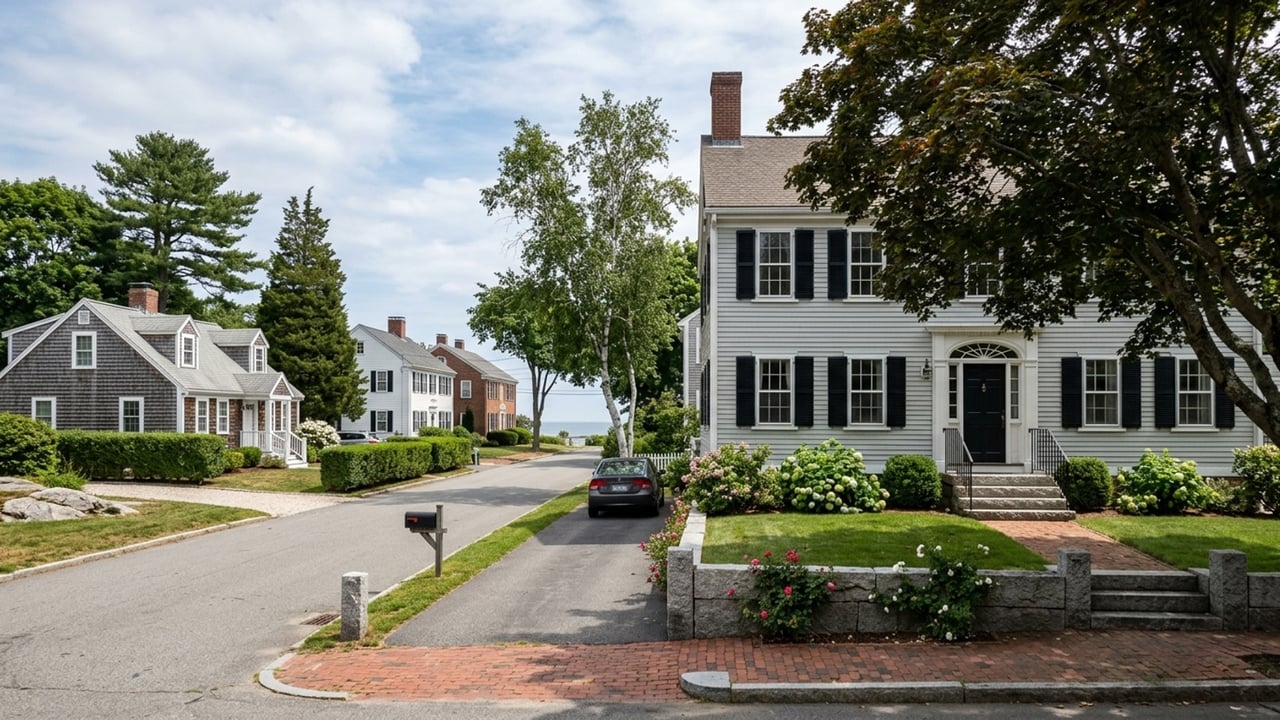
Housing ranges from seasonal beach cottages on Plum Island to inland single-families and suburban subdivisions. Lot sizes are generally larger than central Newburyport and smaller than West Newbury, though they vary by village and proximity to the coast. Coastal properties can have renovation constraints linked to elevation, zoning, or conservation.
Practical costs & risks
Coastal exposure often increases insurance complexity and can affect operating costs. Many properties rely on private wells and septic systems, which impacts maintenance and renovation planning. Expect seasonal market dynamics around beach neighborhoods.
Best for
Buyers who prioritize beach access, coastal recreation, and a quieter day-to-day pace.
West Newbury at a glance
Lifestyle & amenities
You will find a pastoral, agricultural character with scenic roads, farms, and equestrian properties. Everyday retail is limited, so plan on driving for groceries, restaurants, and medical care. Community events lean local and low key.
Commute & transit
There is no in-town commuter rail station. Most residents drive to nearby stations or use regional highways for work. If you need regular T access, confirm parking availability and schedules at the station you plan to use.
Schools & families
Smaller-scale districts and close community ties are typical. Families often value the quieter environment and outdoor space. As with any town, confirm up-to-date DESE profiles and program availability.
Housing & lot types
West Newbury offers larger lots, multi-acre parcels, and farm or horse properties. New construction subdivisions exist, often with generous yard space. Minimum lot zoning in parts of town helps preserve rural character.
Practical costs & risks
Inland location generally means lower coastal flood exposure, though some parcels may be near wetlands or floodplains. Many homes use wells and septic, which adds maintenance and potential replacement planning. Snow removal and long driveways can factor into annual costs.
Best for
Buyers who want land, privacy, and a country feel with quick access to nearby towns.
Key trade-offs to weigh
- Walkability and downtown amenities in Newburyport versus acreage and privacy in West Newbury.
- Historic charm and tighter lots in Newburyport versus room for additions, pools, barns, or gardens in West Newbury.
- Direct commuter rail access in Newburyport versus driving to stations or highways in Newbury and West Newbury.
- Coastal access and recreation in Newbury and Newburyport versus generally lower coastal flood exposure in West Newbury.
- Seasonal beach activity and traffic near Plum Island in Newbury versus steadier year-round patterns inland.
What to research next
Use this focused checklist to compare addresses across the three towns:
- Confirm the school district and review current DESE report cards for programs, class sizes, and transportation policies.
- Verify municipal services, including water, sewer, trash, recycling, and utilities at the property level.
- Check FEMA flood maps and any local floodplain overlays, then request insurance estimates for both homeowners and flood coverage if applicable.
- Review zoning, historic district boundaries, and any conservation or agricultural restrictions or easements.
- Confirm well and septic status, age, and the date of the last inspection or repair.
- Build realistic commute estimates for your specific destination and mode, including MBTA schedules and station parking.
- Ask for a comp set of recent sales from the past 3 to 6 months that match your target property type and location.
- Investigate current property tax rates and typical annual tax bills for similar homes.
- Evaluate broadband and cell coverage options, especially if you work from home.
- Understand building permit steps and average timelines for common renovation projects.
- Note proximity to emergency services and nearby hospitals or primary-care providers.
Septic vs. sewer: why it matters
- Sewer can simplify additions and renovations and reduce some long-term maintenance variables.
- Septic systems require regular pumping and eventual replacement. Capacity can limit expansion plans, so review system design and age.
Coastal flood risk basics
- For waterfront and island areas, check the FEMA maps for AE or VE zones and confirm if elevation, mitigation, or building restrictions apply.
- Get property-specific insurance guidance, including potential wind and flood coverage.
Historic district questions to ask
- Is the property inside a local historic district or subject to design review for exterior changes?
- What approvals are needed for windows, additions, or siding, and how long do they take?
Next steps
If you want walkability and dining, Newburyport sets the pace. If you want direct beach access, Newbury may be your match. If you want land and privacy, West Newbury delivers a country feel close to coastal towns. To compare active, off-market, and upcoming opportunities, and to align lifestyle goals with market realities, connect with the team that lives and breathes these micro-markets. Book an appointment with the Zaniboni Luxury Group to refine your short list and tour the right homes.
FAQs
How does the MBTA commuter rail affect a Newburyport commute?
- Newburyport has direct MBTA service to Boston’s North Station, which can streamline daily travel compared with driving to a station from Newbury or West Newbury.
What should I know about flood zones on Plum Island and waterfront areas?
- Parts of Newburyport’s waterfront and Newbury’s Plum Island fall within FEMA-designated zones, so you should check maps and get insurance guidance for any specific address.
How do lot sizes compare across the three towns?
- Newburyport typically has smaller lots near downtown, Newbury offers varied lot sizes with coastal and inland options, and West Newbury commonly features larger multi-acre parcels.
How do I research school options in these Massachusetts towns?
- Review DESE school profiles and district report cards, then contact districts about programs, transportation, and enrollment policies that matter to your family.
Are there seasonal considerations when buying near Plum Island beaches?
- Yes. Expect summer activity, traffic, and rental demand in beach neighborhoods, which can influence lifestyle and market timing.
What operating costs differ between sewer and septic homes?
- Sewer homes avoid septic maintenance, while septic systems require routine pumping and eventual replacement that you should factor into long-term budgets.