Looking for a country estate near Newburyport often comes down to one key question: do you want more land, or more convenience? If you are comparing West Newbury and Newburyport, you are already looking in two places with very different daily rhythms, lot patterns, and lifestyle tradeoffs. The good news is that both can work beautifully, depending on how you want to live. Let’s break down what each location really offers so you can buy with more clarity.
West Newbury vs Newburyport at a Glance
If your idea of a country estate starts with acreage, privacy, and a more rural road pattern, West Newbury is usually the stronger fit. Its zoning and land-use framework support larger baseline lot sizes and a setting that feels more land-first.
If you want an estate-style home with easier access to downtown, rail, bus routes, and the waterfront, Newburyport often makes more sense. In that case, the appeal is less about raw land and more about convenience, connectivity, and in-town lifestyle.
Lot Sizes Shape the Estate Experience
West Newbury favors larger baseline lots
West Newbury’s zoning bylaw requires 80,000-square-foot lots in RA, 40,000 square feet in RB, and 20,000 square feet in RC, along with frontage requirements of 150 to 200 feet. The stated purpose of the bylaw includes preserving the town’s agricultural heritage, which helps explain why the land pattern feels more spacious and less compressed.
The town also allows open-space preservation development that keeps at least 60% of a parcel open. For buyers who care about a sense of separation, natural surroundings, and a more rural estate setting, that matters.
Newburyport offers a more varied mix
Newburyport’s residential zoning ranges from 8,000-square-foot lots in R-3/B-3 to 20,000 square feet in R-1, with larger 30,000- to 60,000-square-foot districts and a 400,000-square-foot Agricultural/Conservation district. The city’s master plan also notes that density is highest downtown and that lot sizes generally increase west of Route 95.
That means larger-lot opportunities do exist in Newburyport, but they are not the baseline in the same way they are in West Newbury. In practical terms, Newburyport tends to offer a more compact estate market, especially compared with the more consistently spacious pattern in West Newbury.
Daily Feel Is Very Different
West Newbury feels rural and land-centered
West Newbury has a trail and open-space network that reinforces a pastoral feel. The town’s Open Space Committee manages a broad public trail system using town land and trail easements, and the hiking map highlights places like Mill Pond and Pipestave Hill, Riverbend, River Road, Dunn Field, Crane Pond, and Ferry Lane.
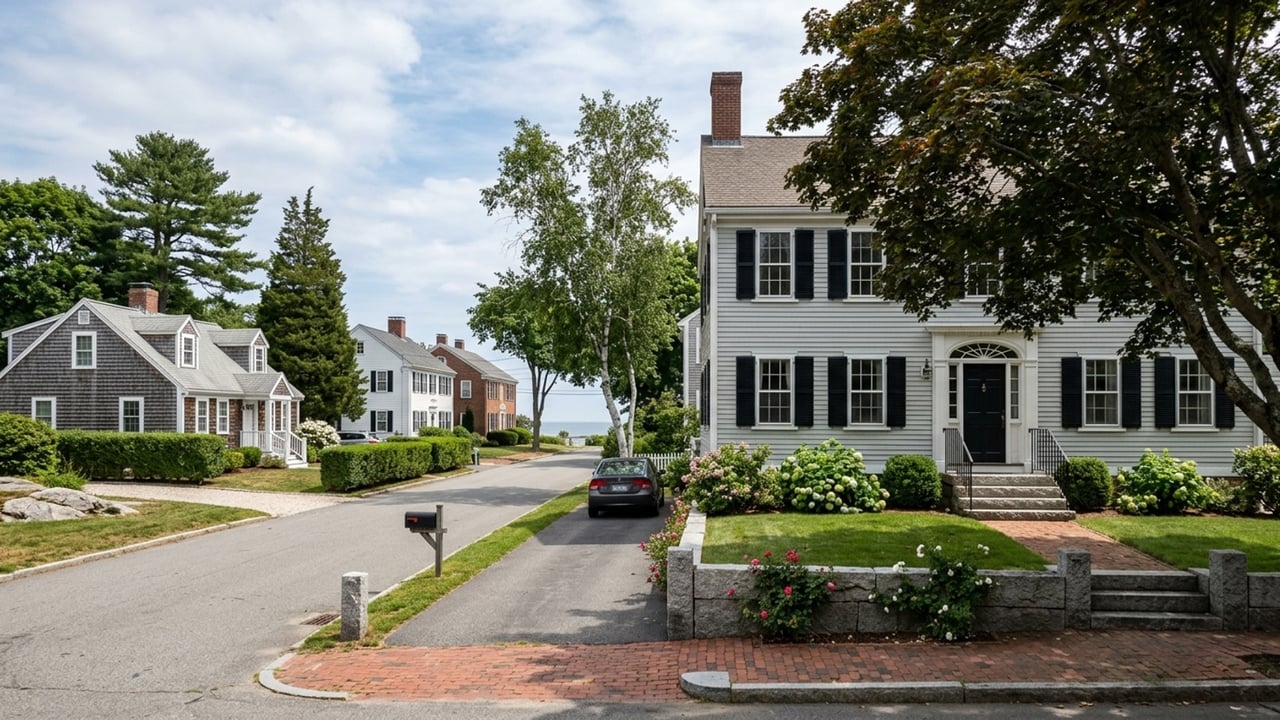
The town plan also points to a Scenic Roads By-Law adopted in 2002. That helps preserve a country-lane feel in many areas, which is a meaningful part of the West Newbury experience if you value roads, views, and surroundings that read as rural rather than suburban.
Newburyport feels more compact and connected
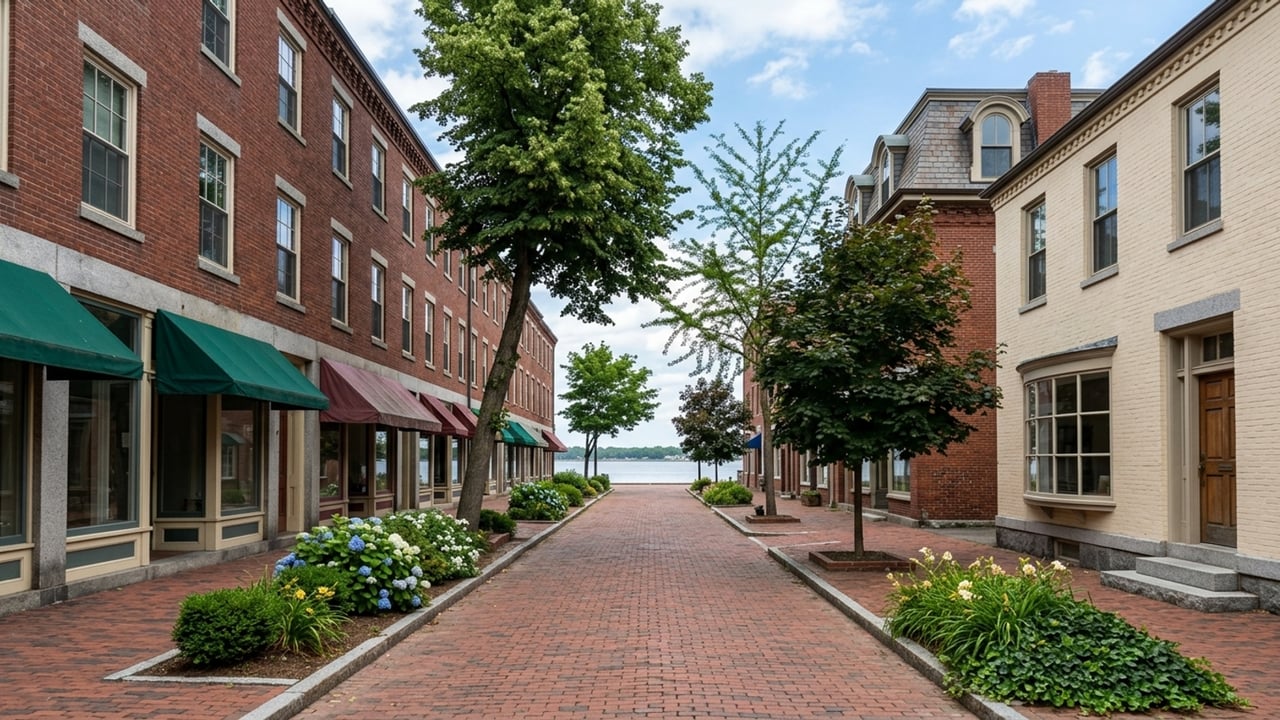
Newburyport’s master plan describes older parts of the city as a traditional urban grid, with newer areas shaped by cul-de-sacs, shorter streets, and dead ends. It also notes that downtown parking is generally reaching capacity.
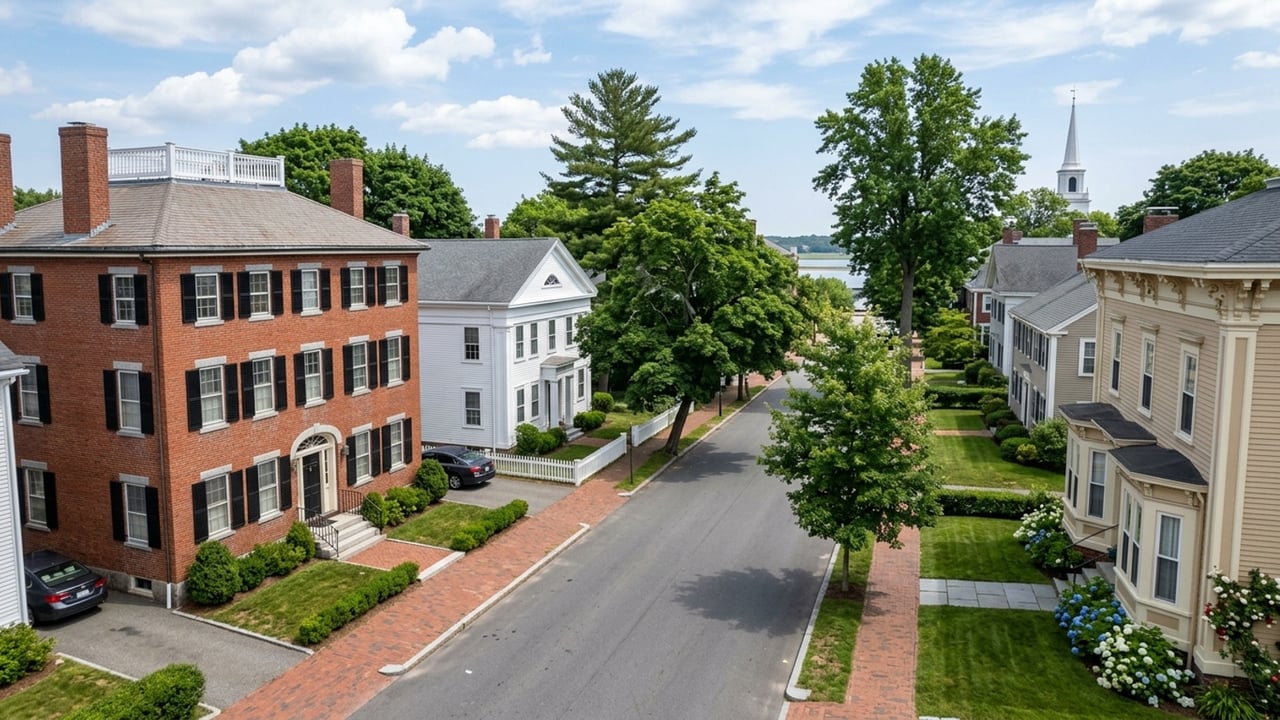
For buyers, that signals a different kind of estate setting. In Newburyport, estate properties often trade on location, street presence, and access to downtown and the waterfront, rather than on acreage alone.
Commuting Can Be a Deciding Factor
West Newbury requires more driving
West Newbury does not have its own railroad station. According to the town’s housing plan, nearby MBTA commuter rail service is in Haverhill and Newburyport, and heavily traveled commuter links include I-95 at Byfield and routes connecting toward I-495.
The town also notes that away from those corridors, roads are generally winding scenic country roads. That can be part of the charm, but it also means your daily access may take more planning.
A useful local option is Mini MeVa, which provides curb-to-curb rides for West Newbury residents and connects to nearby towns including Newburyport, Haverhill, and Salisbury. For West Newbury residents, that service is free.
Newburyport is easier for rail and bus access
Newburyport has direct transportation infrastructure within the city. The master plan says the MBTA commuter rail station is located at the southern edge of town near Route 1, and a staffed commuter and intercity bus terminal sits off I-95 at Exit 57 on Route 113.
The city also has a park-and-ride lot and direct access to I-95, Route 1, Route 1A, and Route 113. If you want an estate property that still keeps you plugged into commuting options and town errands without first leaving town, Newburyport has a clear advantage.
Outdoor Lifestyle Depends on Your Priorities
West Newbury offers dispersed, pastoral access
In West Newbury, outdoor access is woven into the town’s conservation fabric. The hiking map highlights Merrimack River shoreline access at Riverbend, the River Road loop, shoreline views at Withers, public access at River Meadow, Ferry Lane Park and State Boat Ramp, plus larger protected landscapes like Crane Pond and Indian Hill.
This creates a more spread-out, land-based experience. If your ideal country estate includes quiet roads, conservation land, river access points, and a more tucked-away feeling, West Newbury aligns well with that vision.
Newburyport emphasizes waterfront and in-town recreation
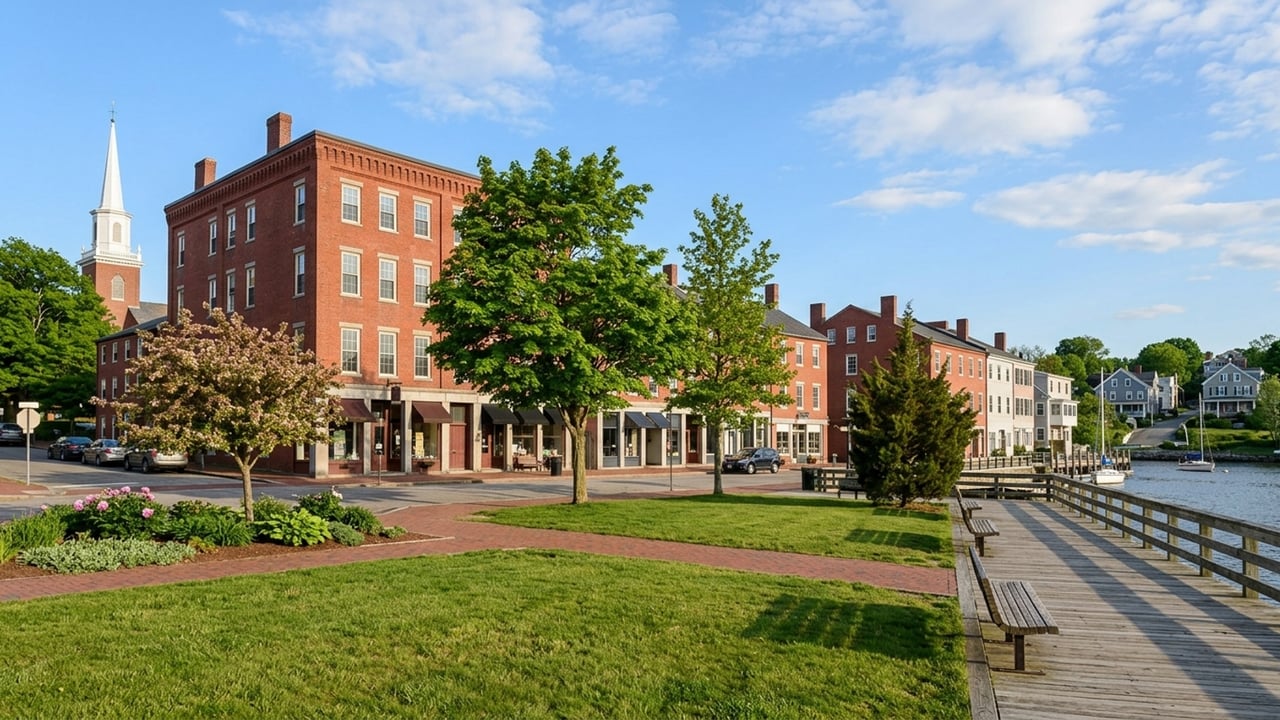
Newburyport’s outdoor identity is more urban waterfront than rural countryside. The Clipper City Rail Trail is a 3.35-mile paved multi-use path completed in 2024 that links the MBTA station, downtown, the waterfront, and several parks.
The city also describes the central waterfront boardwalk as one of its primary civic spaces, and Cashman Park Boat Launch sits just outside downtown and about half a mile off Route 1. Maudslay State Park adds another option with gardens, meadows, pines, and mountain laurel.
For buyers who want outdoor access tied closely to downtown and waterfront living, Newburyport delivers a very different kind of lifestyle than West Newbury.
Which Estate Buyer Fits Each Town?
Choose West Newbury if you want more acreage
West Newbury may be the better fit if your priorities include:
- Larger baseline lot sizes
- More privacy and separation from neighbors
- A rural road network and scenic setting
- Strong access to trails, conservation land, and dispersed riverfront areas
- A property experience that feels more land-driven than town-centered
Choose Newburyport if you want more convenience
Newburyport may be the better fit if your priorities include:
- Access to commuter rail and bus service within town
- Proximity to downtown, waterfront, and daily errands
- An estate-style home within a more compact city fabric
- Outdoor amenities connected by trail and boardwalk infrastructure
- A balance of lifestyle property appeal and transportation convenience
The Best Choice Depends on Your Version of Luxury
For many buyers, the decision is not really West Newbury versus Newburyport in a general sense. It is about which version of an estate lifestyle feels right for you.
If luxury means acreage, larger setbacks, and a setting shaped by open land, West Newbury stands out. If luxury means living in a refined home with easier access to rail, waterfront destinations, and the center of town, Newburyport can be the better match.
That distinction matters even more in a market where high-end buyers are often choosing between lifestyle patterns, not just square footage. The smartest purchase starts with understanding how you want your days to feel once you move in.
If you are weighing West Newbury against Newburyport and want a sharper, property-level view of the tradeoffs, Zaniboni Luxury Group can help you compare land, location, and lifestyle with the kind of local insight that makes the next step easier.
FAQs
Is West Newbury better than Newburyport for a country estate?
- West Newbury is usually the better fit if you want larger baseline lot sizes, more privacy, and a more rural setting, while Newburyport is often the better fit if you want convenience and in-town access.
Does Newburyport have large-lot estate properties?
- Yes, Newburyport has larger-lot options in some districts, including 30,000- to 60,000-square-foot areas and an Agricultural/Conservation district, but its overall pattern is generally more compact than West Newbury’s.
Is there commuter rail in West Newbury, Massachusetts?
- No, West Newbury does not have its own rail station, and nearby MBTA commuter rail service is in Haverhill and Newburyport.
Is Newburyport easier for commuting than West Newbury?
- Yes, Newburyport has direct access to commuter rail, bus service, a park-and-ride lot, and major road connections, which can make everyday travel easier.
What outdoor lifestyle does West Newbury offer for estate buyers?
- West Newbury offers a dispersed, pastoral outdoor setting with public trails, conservation land, river access points, and scenic roads that support a more rural lifestyle.
What outdoor lifestyle does Newburyport offer for estate buyers?
- Newburyport offers a more connected waterfront lifestyle, with the Clipper City Rail Trail, downtown boardwalk areas, Cashman Park Boat Launch, and access to Maudslay State Park.