Dreaming of a small coastal city where you can stroll to the waterfront, dinner, and local events within minutes? If you are weighing a move from Boston or a nearby suburb, Downtown Newburyport offers a rare mix of history, walkability, and water views. In this guide, you will learn what daily life looks like, the housing you will find, how commuting works, and key considerations like flood risk and historic approvals. Let’s dive in.
Downtown snapshot
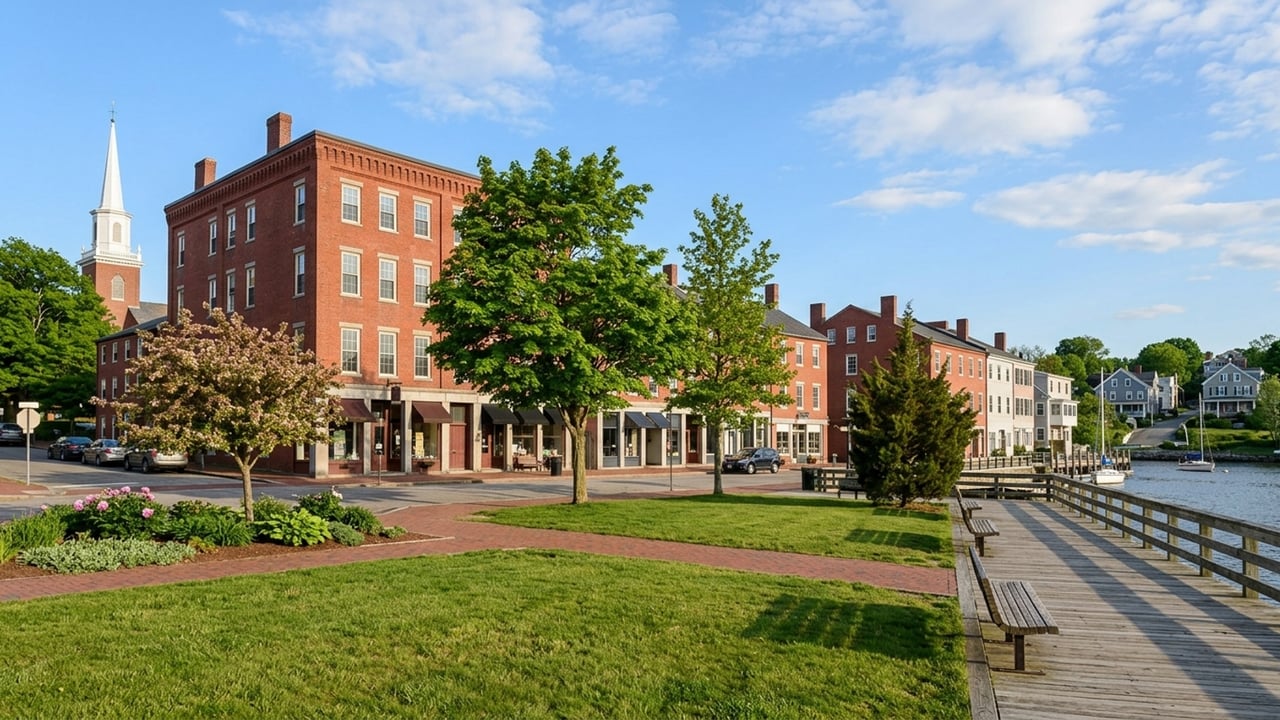
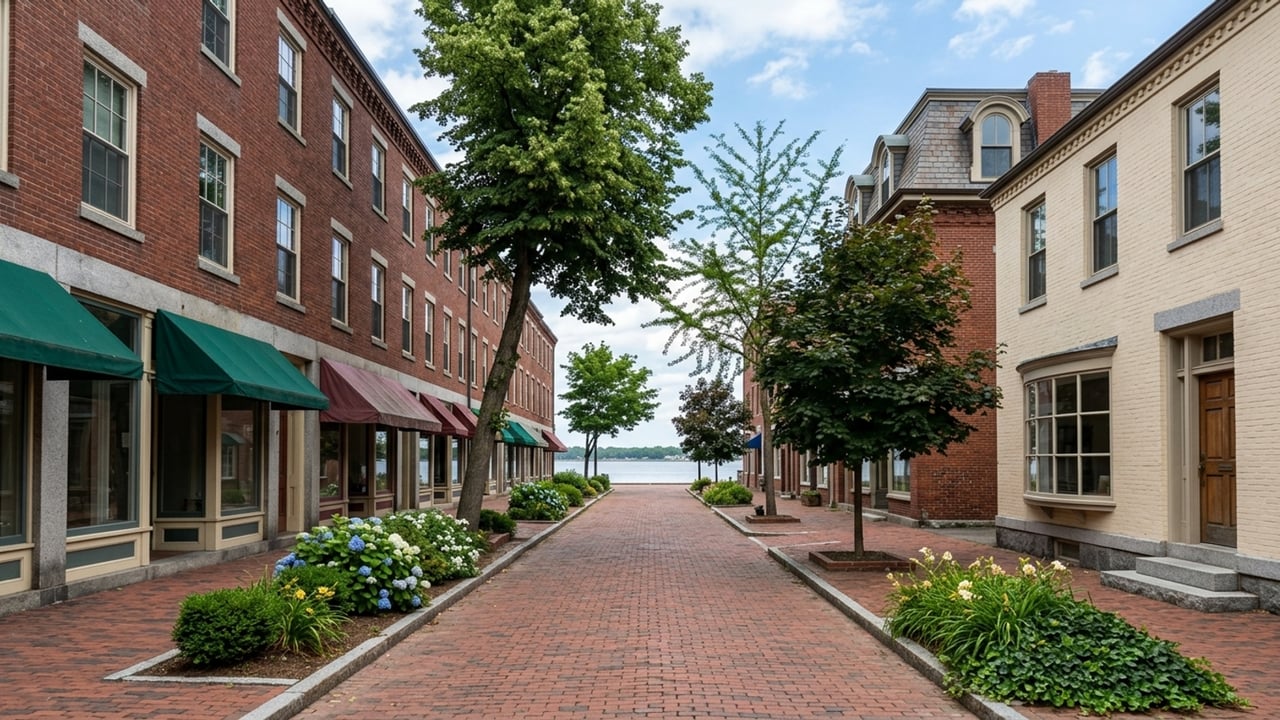
Downtown Newburyport is the compact historic core centered on Market Square, State Street, and the Merrimack River waterfront. The scale is human and easy to navigate on foot, with brick sidewalks, period architecture, and harbor views.
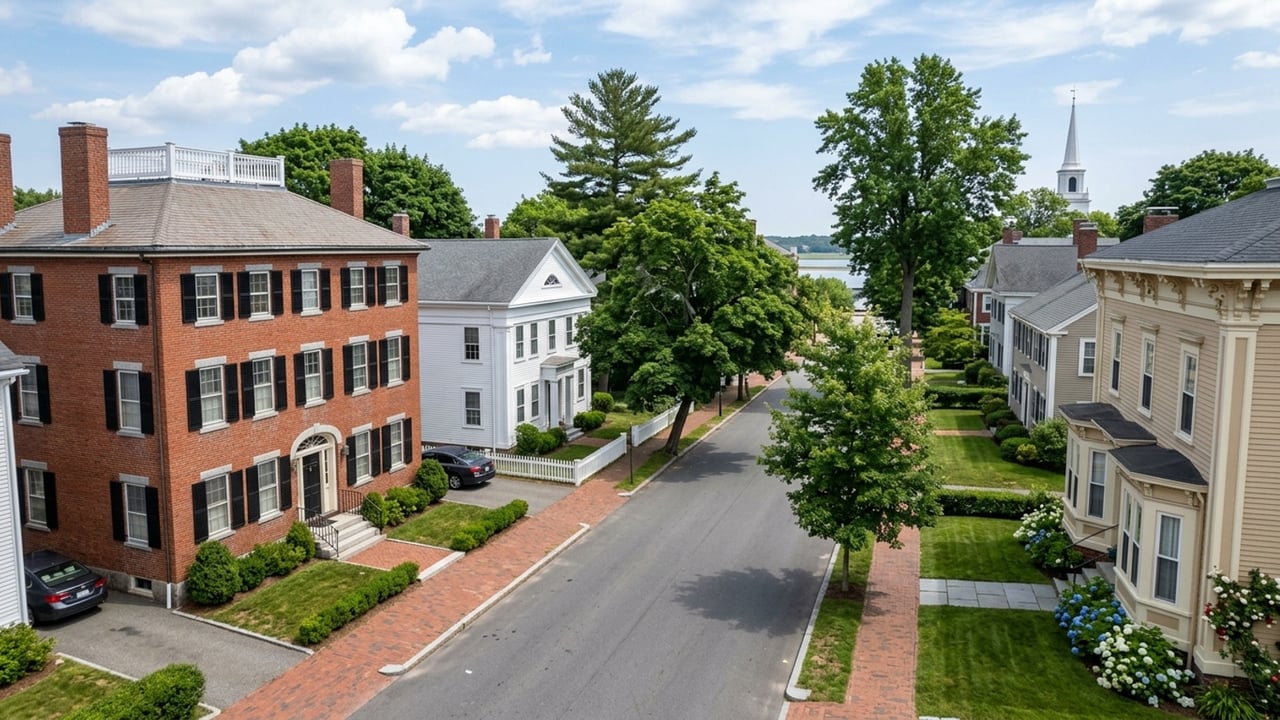
Much of downtown sits within a designated historic district, which shapes the look and feel of the streets. You will see Federal, Georgian, Greek Revival, and Victorian buildings, plus converted mill and warehouse spaces. Preservation rules guide exterior changes, so the character stays consistent over time.
The vibe blends small-city calm with an active retail and dining scene. Summer brings visitors and festivals, while winter feels quieter but still lively enough for year‑round living. Outdoor recreation is part of everyday life, with the river, Plum Island, and nearby refuges close at hand.
Daily life and amenities
Walkability and errands
Downtown is highly walkable for daily needs. Within a few blocks of Market Square, you can reach grocery options, a pharmacy, coffee, bakeries, restaurants, and local boutiques. Many residents do most errands on foot.
For larger grocery runs or big‑box retail, you will drive a short distance outside the core. Plan for a simple in‑town routine with occasional trips to larger stores beyond downtown.
Dining and shopping
You will find a mix of casual cafes, seafood spots, bistros, and specialty food shops. Independent boutiques, galleries, antiques, and home goods dominate the retail scene. Chain stores are uncommon inside the historic district, which helps preserve a local, curated feel.
Summer expands outdoor dining and draws more visitors. Winters are calmer, and many establishments remain open, so you can still count on a solid year‑round lineup.
Waterfront and outdoors
Waterfront access is a defining amenity. The harbor promenade offers river views, marina activity, and an easy place to walk after dinner. Small boat marinas, public slips, and wharves reinforce a boating culture.
Plum Island and the Parker River National Wildlife Refuge are nearby for beaches, birding, and bike rides. Expect the busiest season in summer. Winter delivers quieter trails and shoreline access, though some areas can close during storms.
Arts, culture, and events
Downtown hosts small theaters, galleries, and seasonal events like farmers markets, art walks, and community celebrations. These draw regional visitors and can briefly impact parking and noise. If you live steps from Market Square, you will be close to the action.
Getting around
Commuter rail
The MBTA Newburyport/Rockport Line serves the area, with the Newburyport station providing trains to Boston’s North Station. Trips typically take about an hour depending on the train. Check current schedules for peak and off‑peak frequency.
Driving
Driving to downtown Boston commonly takes 45 to 90 minutes depending on traffic and timing. You will use I‑95/Route 128 and US‑1. Summer beach traffic and busy weekends can add time, so plan accordingly.
Bikes and local transit
Downtown is bikeable, with racks and some marked lanes that vary by street. Local bus service exists but is limited compared with larger cities. If you rely on public transit beyond the commuter rail, confirm options for your routine.
Homes and architecture
What you will find
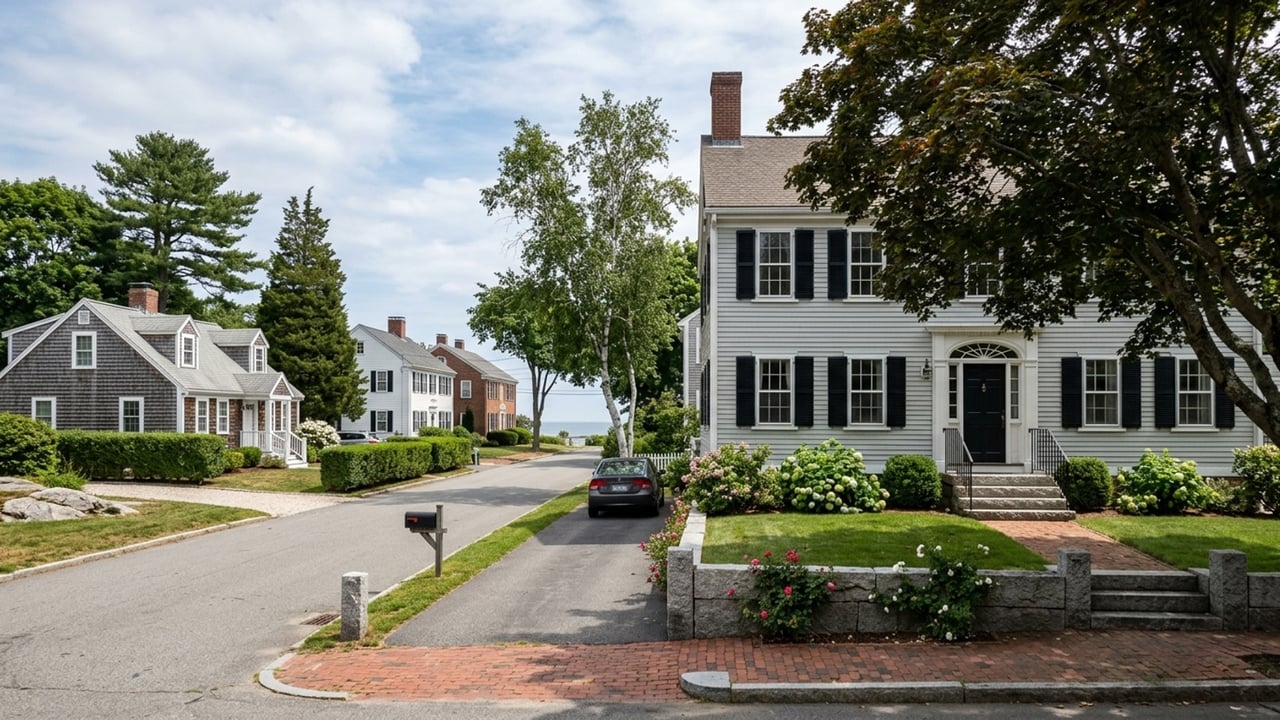
Housing downtown includes historic rowhouses and 18th and 19th century single‑ and multi‑family homes. Many have been converted to condos or multi‑unit buildings. You will also find brick and clapboard homes with period details.
For lower‑maintenance living, condominiums and lofts are common, including conversions of older commercial buildings and some modern waterfront developments. New infill townhomes and small apartment buildings exist, though historic rules and zoning limit large‑scale changes.
If you want a detached home and larger yard, several residential neighborhoods just outside the core offer those options within a short drive.
Price and competition
Waterfront properties and historic homes in prime downtown locations tend to command a premium. Condos often provide the more attainable entry point for buyers who want a lock‑and‑leave lifestyle in town.
Inventory can be tight at times, which leads to quick sales and competitive offers. If you are targeting a specific street or building, be ready to act when the right place appears.
Condos vs. houses
Condos can deliver a maintenance‑light experience, with associations handling exterior care, snow removal, and landscaping. Review bylaws, reserves, and fee history to understand coverage and long‑term costs.
Older single‑family homes offer character and space but often require more ongoing attention. Plan for specialized upkeep related to historic materials, mechanical updates, and moisture management.
Key buying considerations
Flood risk and insurance
Parts of the waterfront and lower‑lying blocks fall within FEMA flood zones. Lenders may require flood insurance, and premiums can be meaningful. Ask sellers for flood history and any elevation certificates. Review maps and budget for mitigation or resilience upgrades where appropriate.
Historic district approvals
Exterior changes in the historic district typically require review by the Historic District Commission. Items like windows, siding, roofing, porches, and signage usually need approval. Interior changes are less regulated unless there are specific easements or restrictions. Build time for permitting into your plans.
Short‑term rentals and zoning
Many coastal cities regulate short‑term rentals, and Newburyport is no exception. If you plan to rent seasonally, verify current rules, registration steps, safety requirements, and any local taxes before you buy.
Parking and accessibility
Parking varies street by street. Some properties include private or deeded spaces, while others rely on metered or resident‑permit parking. Homes and condos with dedicated parking often carry a premium. If you commute by car, major roads are nearby, but rush hour and summer traffic affect timing.
Taxes and assessments
Property tax rates and local assessments change year to year. Review the most recent figures and confirm how assessments apply to your property type. If you are evaluating a condo, factor in both taxes and monthly association fees when you compare options.
Is downtown right for you?
Downtown Newburyport fits several lifestyles. Use these quick snapshots to picture your day.
- Boston commuter: Walk to the station, ride into North Station, return to dinner in Market Square, then a short harbor stroll.
- Remote worker: Coffee at a local cafe, focused work in a light‑filled condo, afternoon bike to nearby trails, easy dinner out.
- Family: Quick school drop‑offs outside the core, weekend beach time on Plum Island, evening events downtown.
- Retiree or second‑home owner: Low‑maintenance condo, long lunches on quieter weekdays, seasonal stays with managed upkeep.
If you want walkability and water access with a strong sense of place, downtown checks those boxes. If you prefer more yard space or year‑round quiet, consider nearby neighborhoods while keeping downtown as your go‑to destination.
Practical moving tips
- Timing: Avoid major festival weekends or peak summer Saturdays when truck access and parking are more restricted.
- Permits: Confirm any required permits for moving trucks and temporary parking in the historic district.
- Inspections: For older homes, schedule thorough inspections covering structure, HVAC, chimney, and moisture. Request elevation certificates if a property is in a floodplain.
- Recon: Visit at different times and seasons to gauge noise, traffic, and parking patterns.
- Connectivity: If you work from home, verify internet providers and speeds for the specific address.
When you are ready to explore properties, a local, concierge approach makes a difference. The Zaniboni Luxury Group specializes in downtown, waterfront, and historic homes, with access to off‑market opportunities, data‑driven pricing guidance, and white‑glove support from search through closing.
FAQs
Is daily commuting to Boston feasible from Downtown Newburyport?
- Yes. The MBTA commuter rail typically takes about an hour to North Station, and driving can range from 45 to 90 minutes depending on traffic and time of day.
How walkable is Downtown Newburyport for daily errands?
- Very walkable. Most essentials like coffee, pharmacy, small markets, and dining are within a few blocks of Market Square, though larger stores are a short drive away.
What types of homes are most common downtown?
- You will see historic single‑ and multi‑family homes, converted condos and lofts, and some newer infill townhomes, with condos popular for lock‑and‑leave living.
Do I need to worry about flood risk near the waterfront?
- Flood risk is a real factor in certain areas. Review FEMA flood maps, ask for elevation certificates, and budget for flood insurance where required by lenders.
Will I need approvals to renovate a historic property?
- Likely for exterior work. Properties in the historic district usually need Historic District Commission review for windows, siding, roofing, porches, and similar changes.
How busy does downtown get in summer?
- Summer brings more visitors, events, and parking demand. If you prefer quiet, consider homes a bit off Market Square or visit at night and weekends to test the fit.